
Last updated October 15, 2026
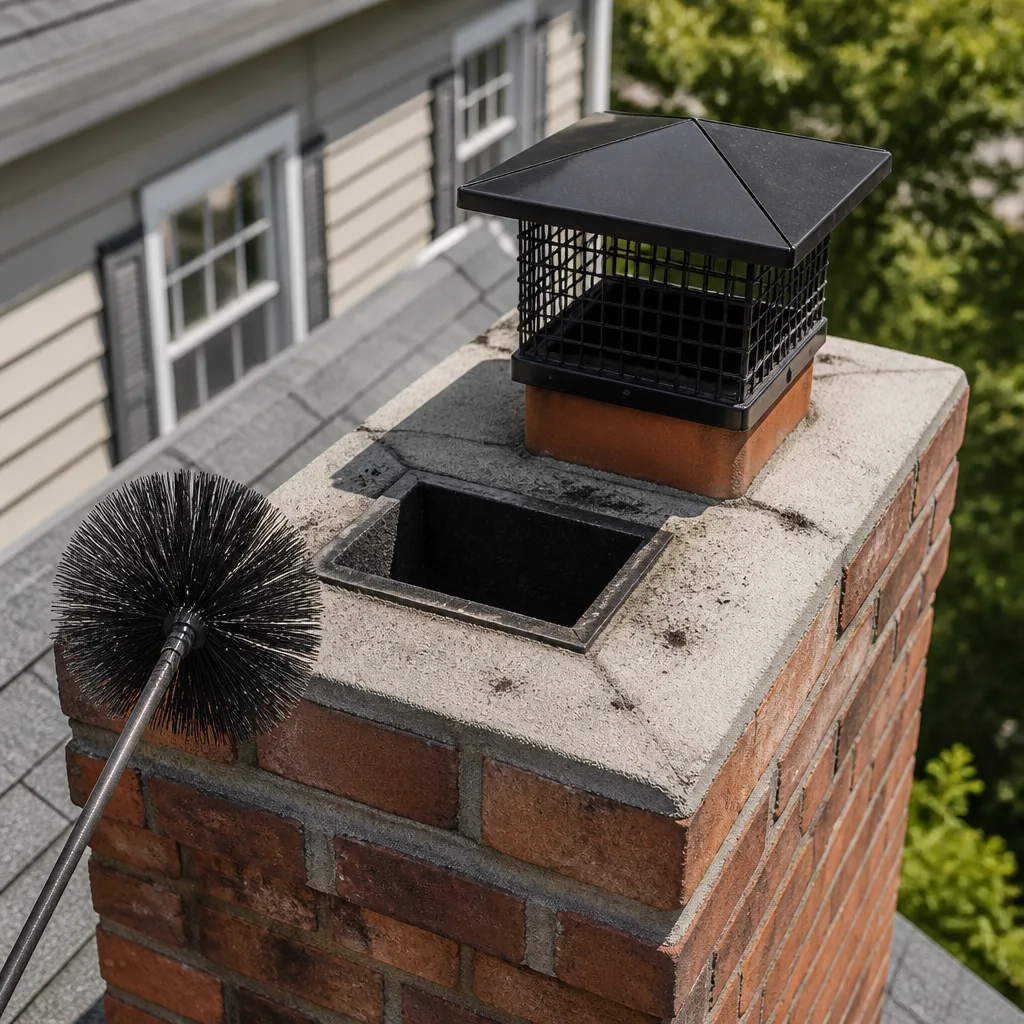 Sweep & inspection
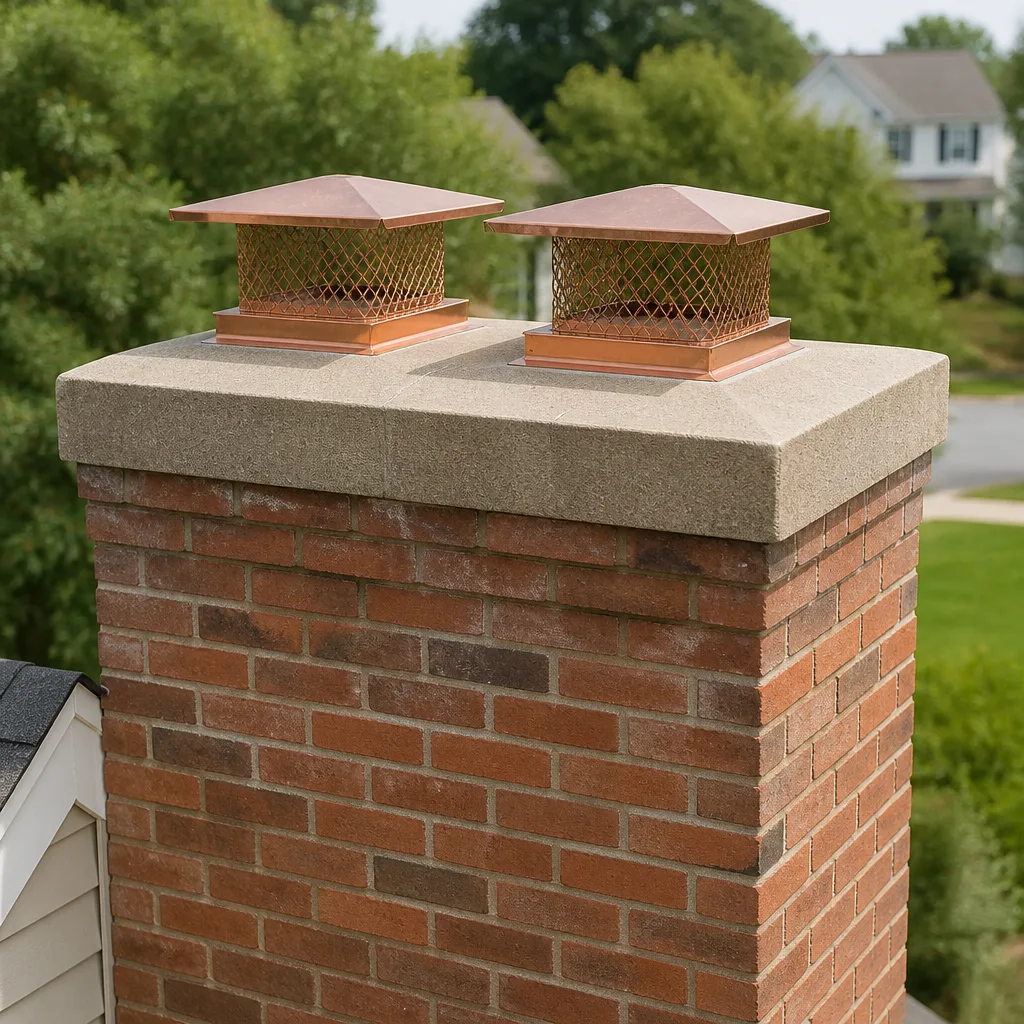 Caps & crowns
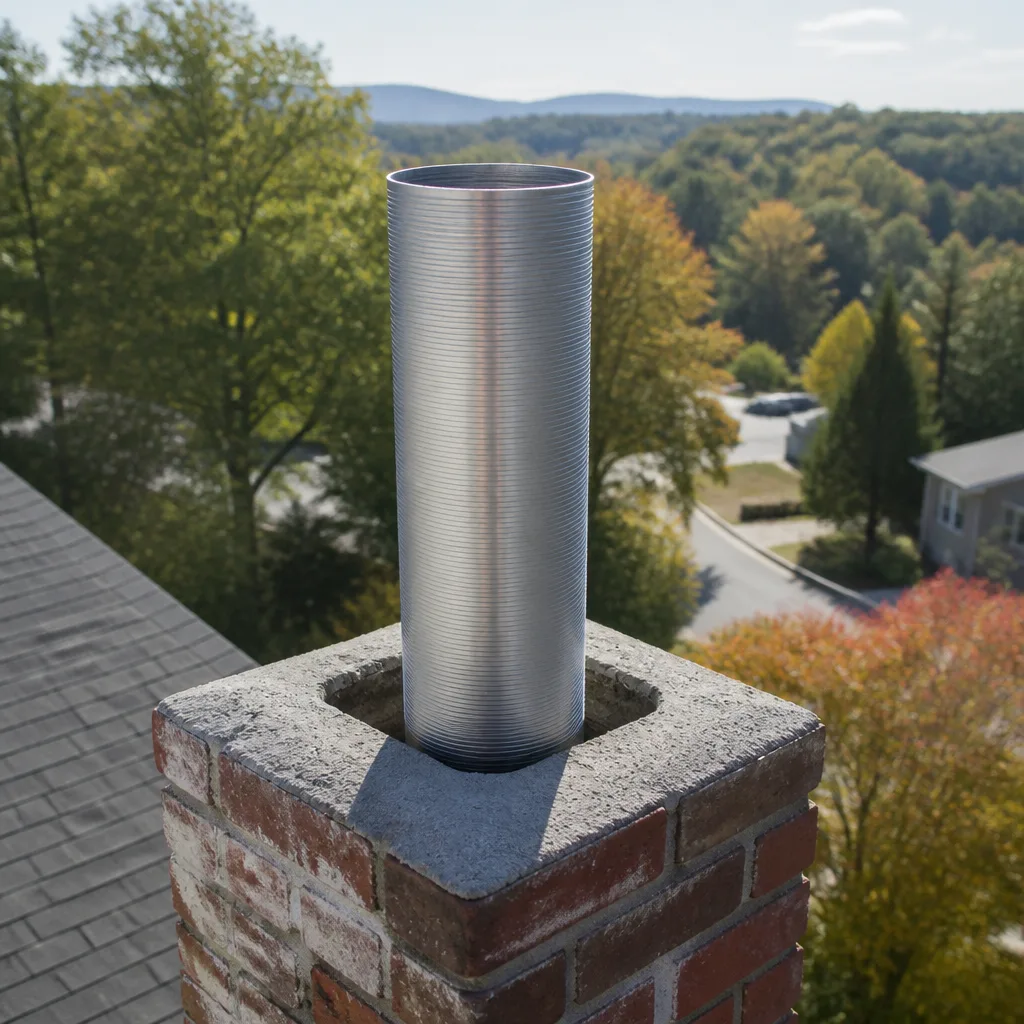 Flue relining
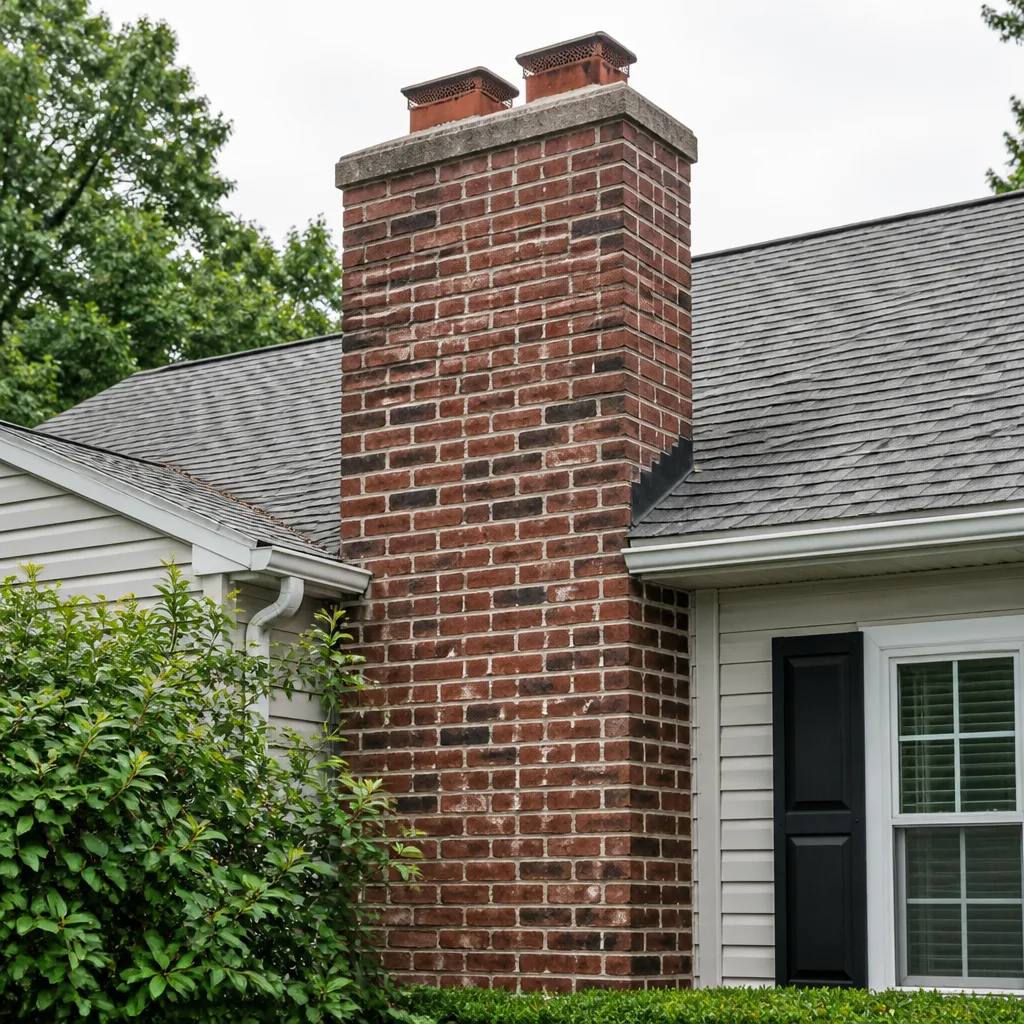 Masonry repair
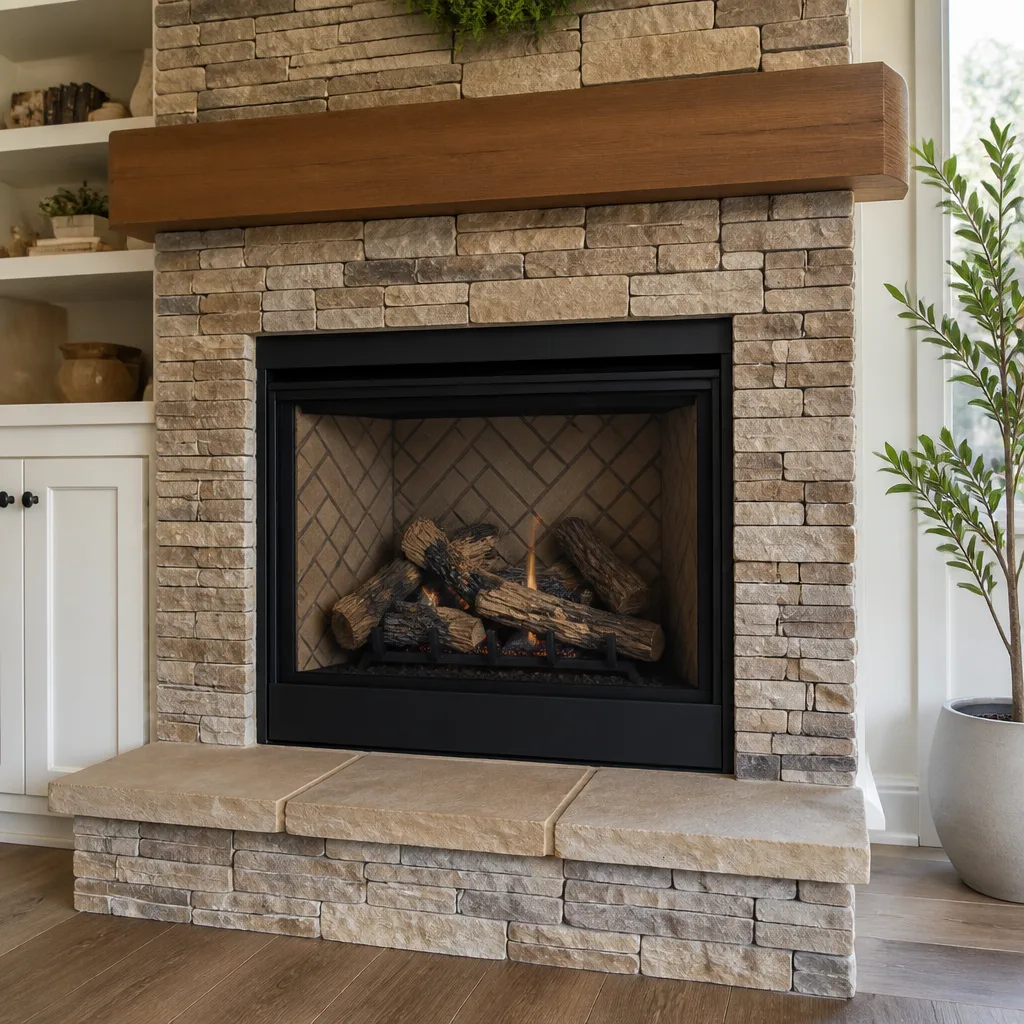 Gas fireplace service
Level 1 sweep and inspection to the NFPA 211 annual standard - flue, crown, cap, and flashing checked and photographed
Chimney sweep logs do not sweep chimneys. They loosen some creosote - which then falls where a brush and vacuum still have to collect it.
Seasonal Chimney Cleaning Care for Marietta: Year-Round Homeowner’s Guide
Most chimney advice tells you to schedule a sweep every fall. In Marietta, where a 65°F February weekend tempts you to light the fireplace one more time, the fall-only rule leaves a six-month blind spot. Our service area sees two distinct burning seasons: a primary one from November through January, and a sporadic, shoulder-season pattern that catches homeowners off guard every year. This guide reframes chimney care around Marietta’s actual calendar, not a generic national one, and complements our Chimney Cleaning Warning Signs: A Marietta Homeowner’s Reference Guide. You’ll learn when to sweep, when to inspect, what your gas fireplace needs during idle months, and how to avoid the expensive surprises that most Cobb County homeowners don’t see coming.
Styles & brands we work with
Quick Answer
In Marietta, seasonal chimney cleaning means scheduling a sweep and inspection twice: once in early October before the main burning season, and again in March after sporadic winter use and before humid summer weather settles in. A standard chimney sweep in Marietta typically runs $180 – $340, and a Level 1 or Level 2 inspection adds $150 – $400 depending on scope-see our Chimney Cleaning Cost Breakdown: The Marietta Homeowner’s Reference for 2026 for full details. The goal isn’t just clean flues; it’s keeping your liner, cap, and masonry intact through Marietta’s humidity swings and occasional ice storms.
Table of Contents
- Why Marietta Has Two Burning Seasons, Not One
- The October Pivot: Pre-Season Sweep and Inspection
- Why Marietta’s Humid Summers Accelerate Flue Liner Deterioration
- Sporadic Cold-Snap Burns and Creosote: What Green Wood Does to Your Flue
- The March Pivot: Post-Season Sweep and Spring Closing Checklist
- Caring for a Gas Fireplace During Eight Idle Months
- Georgia Ice Storms vs. Northern Freeze-Thaw: Different Damage, Different Response
- What Does Seasonal Chimney Cleaning Cost in Marietta?
- Common Mistakes to Avoid
- When to Call a Professional
- Frequently Asked Questions
- The Bottom Line
Why Marietta Has Two Burning Seasons, Not One
Northern chimney guides assume a single, sustained burning season from October through April. Marietta doesn’t work that way. Our weather splits burning into two distinct patterns: a primary season from November through January, when consistent cold keeps fireplaces active for weeks at a time, and a secondary shoulder season scattered across October, February, and March, when a surprise 40°F night sends you back to the woodpile for one or two burns.
That second pattern is where we see most of the problems. A fireplace that sits cold for six weeks, then gets fired up for a single night, behaves differently than one used every evening. Creosote that formed during the primary season hardens into a glaze layer while the flue cools. When you burn again, that glaze acts like a sponge for new creosote deposits. After two or three sporadic shoulder-season fires, you can have buildup equivalent to a month of regular use, concentrated in the upper third of the flue where temperatures are coolest and condensation happens fastest.
In our experience working in Marietta neighborhoods like East Cobb, Powder Springs, and Kennesaw, we’ve seen Level 2 creosote in fireplaces that burned fewer than fifteen nights all winter. The homeowners assume light use means light buildup. The physics says otherwise. Intermittent burning creates temperature cycling that pulls creosote out of suspension faster than a hot, consistent fire ever would.
Here’s the practical takeaway: if you burned at all between October and March, you need a spring inspection before summer humidity settles in. If you burned more than a dozen times, you need a spring sweep. Waiting until October means giving hardened creosote another six months to bond with liner surfaces, and giving summer moisture a full season to interact with whatever acidic residue is sitting in your flue.
The October Pivot: Pre-Season Sweep and Inspection
The first shoulder season in Marietta starts around mid-October, when nighttime temperatures dip into the 50s and someone in the household suggests a fire. That’s your trigger for the pre-season sweep and inspection. Here’s the exact sequence we recommend, based on what actually prevents problems in Cobb County homes and aligns with Chimney Cleaning Permits, Codes & Inspections in GA: What You Need to Know:
- Schedule the sweep and Level 1 or Level 2 inspection in late September or early October. You want the work done before the first burn, not after. A flue that sat all summer with animal debris, leaf litter, or unexpected moisture should not be used until it’s inspected.
- Have the technician note the creosote stage and liner condition in writing. A Level 1 inspection is visual; a Level 2 adds camera access for flue interiors, which is the only way to see spalling or early liner failure. We consider a camera pass standard on any home where the flue hasn’t been inspected in three or more years.
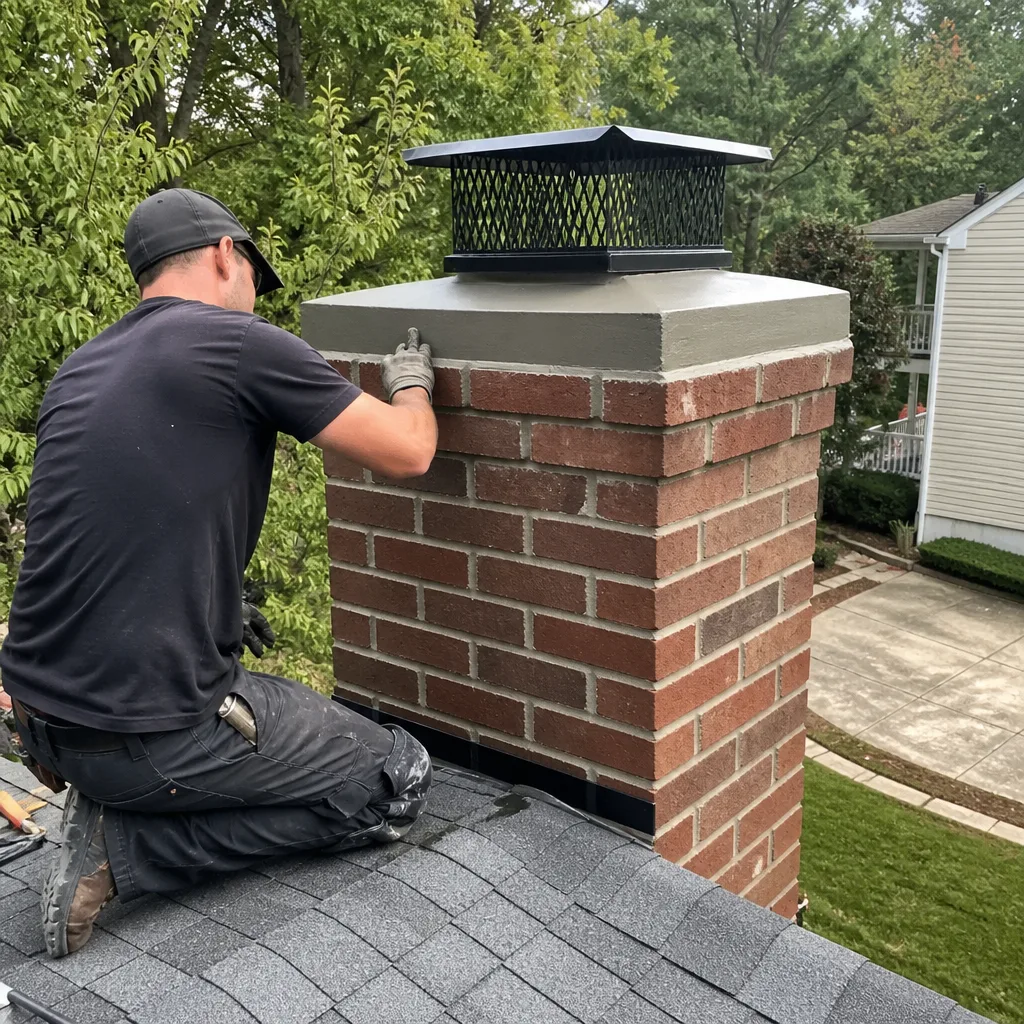
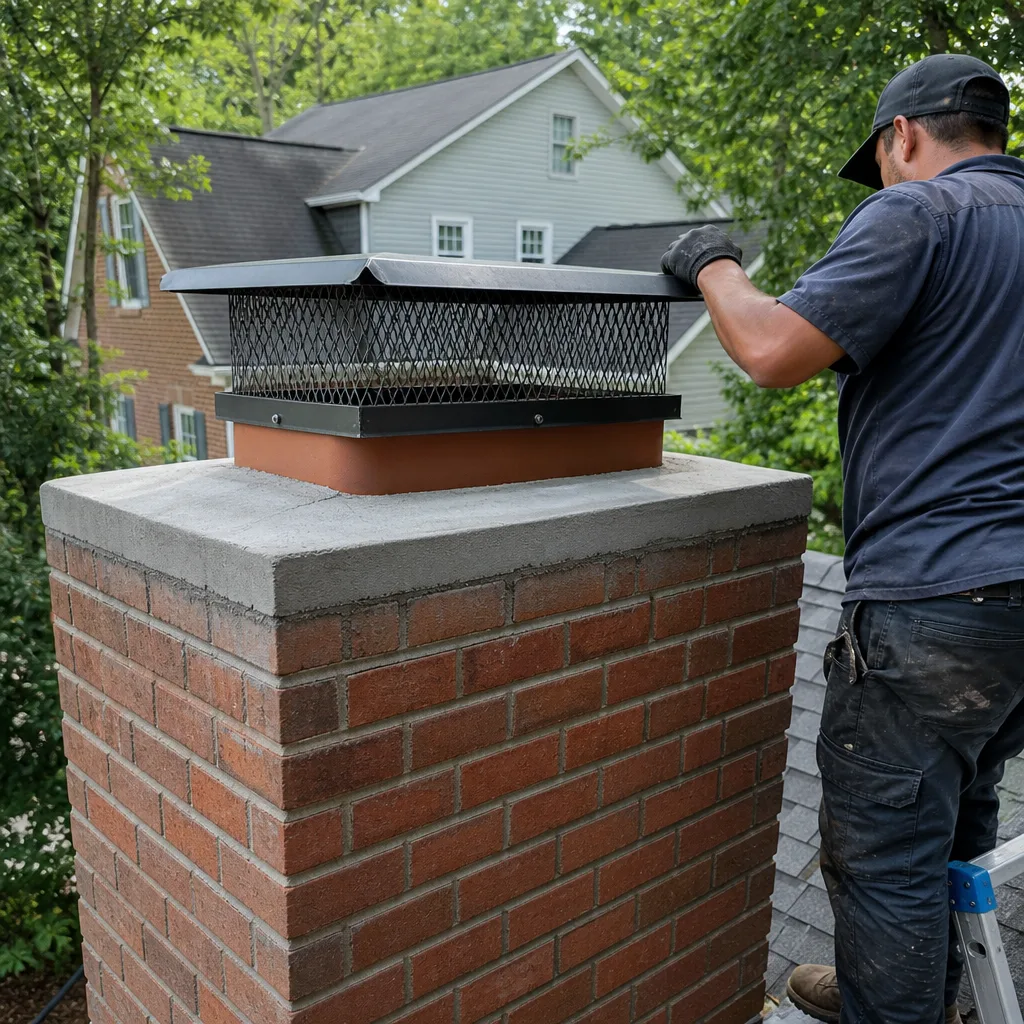
- Verify the chimney cap and crown. Marietta’s July thunderstorms are brutal on caps and crowns. A missing cap that let one animal in during summer means a nest blocking the flue now.
- Burn seasoned hardwood only, starting with the first fire. If you didn’t split and stack your wood by April of the current year, you’re burning green wood. More on that below.
At Alcott Chimney Marietta, every pre-season visit includes a written price before the technician starts any work, so you know exactly what the sweep and any recommended repairs will cost before you commit. Ruben Castellano’s rule is that no customer should ever hear a surprise number at the end of the visit.
Why Marietta’s Humid Summers Accelerate Flue Liner Deterioration
Here’s something most chimney guides written for northern homes never address: humidity. Marietta’s average summer relative humidity sits between 70% and 85% for weeks at a time. That moisture doesn’t stay outside. It enters your chimney through the cap, through masonry pores, and through the air exchange that happens whenever your flue warms and cools.
When humid air meets the acidic creosote residue left on your flue liner after burning season, the chemistry is quietly destructive. Creosote is hygroscopic; it absorbs moisture. That moisture carries the creosote’s acids deeper into the liner material, whether it’s clay tile or stainless steel. Over one summer, the effect is measurable. Over five summers without a post-season sweep, it’s the difference between a liner that lasts 20 years and one that needs replacement at 12.
Clay tile liners are particularly vulnerable in Marietta’s climate. The humidity expands the tile’s surface layer, the cooling cycle contracts it, and the absorbed acids etch the interior. We’ve removed clay liners from 1970s Marietta homes where the flue interior looked like cracked riverbed, driven entirely by moisture cycles during summers when the fireplace never saw a fire. The homeowner had no idea because the damage was invisible from the firebox.
This is why we treat the March sweep as preventive maintenance, not optional cleanup. Removing creosote before summer means removing the acid reservoir before humidity gets eight months to work on your liner. It’s one of the highest-value things we do for Marietta homeowners, and it costs far less than a liner replacement. A DuraFlex stainless liner installation, which is the professional standard we specify when liner replacement is necessary, runs $2,500 – $5,000 depending on flue height and access. A spring sweep runs under $350. The math speaks for itself.
Sporadic Cold-Snap Burns and Creosote: What Green Wood Does to Your Flue
Marietta doesn’t have a sustained wood-burning culture the way New England or the upper Midwest does. What we have instead is a pattern of reactive burning: a cold snap hits, someone runs to the store or grabs whatever’s stacked in the backyard, and that wood goes right into the fireplace. In many cases, that wood is less than six months seasoned.
Green or unseasoned wood contains 30 – 45% water by weight. When it burns, most of that water vaporizes and rises with the smoke. But as the smoke cools in the upper flue, that water condenses and traps smoke particles against the liner walls. The result is a thick, sticky creosote layer that forms in a fraction of the time dry hardwood would produce. We’ve scooped a quarter-inch of tar out of flues after just eight or ten dedicated cold-snap burns in Marietta.
Here’s what makes this pattern disproportionate compared to northern homes: a homeowner in Vermont burning daily with seasoned wood produces moderate creosote slowly, and the flue gets hot enough every day to burn off some of it. A Marietta homeowner burning sporadically with questionable wood produces heavy creosote quickly, and the flue never gets hot enough between burns to self-clean. The buildup rate per fire is much higher.
The fix is straightforward. Buy your wood in April. Split and stack it off the ground, ideally covered on top but open on the sides for airflow. By November, wood that was split in spring is dry enough to burn cleanly. If you’re caught in a February cold snap with nothing seasoned, burn smaller, hotter fires rather than one large smoldering one. A hot fire with good airflow produces less creosote than a slow, damp burn. And if you’ve burned green wood more than three times in a season, schedule a sweep sooner rather than later.
The March Pivot: Post-Season Sweep and Spring Closing Checklist
The second shoulder season arrives in March, when Marietta’s temperatures bounce between 40°F and 70°F in the same week. By mid-March, the primary burning season is over for almost all Cobb County homes. That’s when the spring closing checklist matters.
Animal intrusion and moisture damage account for a large share of the repair calls we take every summer in Marietta. Birds, squirrels, and raccoons find their way into uncapped chimneys between March and June. Moisture seeps into crowns and masonry. By the time a homeowner notices the smell or the noise, the damage is done. A closing checklist prevents most of it:
- Schedule the post-season sweep and inspection. This is the single most effective action for preventing summer liner damage from creosote acids plus humidity. Do it in March or early April.
- Close the damper fully and confirm it seals. A damper that doesn’t seal lets conditioned air escape all summer and lets humid air enter the flue from below.
- Verify the cap is intact and secured. The cap is your only barrier between the flue and everything living outside. A missing or damaged cap in April means a nest by June.
- Inspect the crown for cracks. Marietta’s July downpours find every crack in a chimney crown. Small cracks widen under summer rain and freeze cycles, and the repair cost climbs.
- Remove all ash from the firebox. Ash is slightly caustic and attracts moisture. Leaving it in place all summer accelerates mortar deterioration.
- Schedule any repair work for spring or summer, not fall. Chimney companies in Marietta are busiest in October. If your March inspection finds a cracked cap or early liner wear, fixing it in May means shorter wait times and more scheduling flexibility.
Caring for a Gas Fireplace During Eight Idle Months
Gas fireplaces in Marietta often sit unused from April through November. That doesn’t mean zero maintenance. Sealed direct-vent inserts and vented gas logs each have their own concerns during idle months, and ignoring them from spring through fall can leave you with a fireplace that won’t start in December.
For sealed direct-vent inserts, the primary risk is moisture and insect intrusion through the vent termination. The vent cap on the exterior wall is exposed to Marietta’s humid summers and occasional heavy rain. If the sealing gasket around the glass door fails, humid air enters the firebox. That moisture can corrode burner components and cause the pilot assembly to oxidize. Before the idle season, have the gasket checked. A $40 gasket replacement in April prevents a $300 – $600 burner repair in December.
For vented gas logs with an open damper, the risks are the same as a wood fireplace: animal intrusion and humid air entering through an open flue. The damper must be closed and preferably locked when the gas logs are not in use for extended periods. We recommend installing a locking damper handle on any gas log set in Marietta, precisely because the mild shoulder seasons mean people light these fireplaces sporadically through the winter, then forget to close the damper in spring.
One specific piece of advice for Marietta gas fireplace owners: run the fireplace for five or ten minutes once every six weeks during idle months, even in summer. This dries out any accumulated moisture in the firebox and keeps the gas valve cycling. It’s the equivalent of starting a car that’s been sitting. If you’re not comfortable doing this, a gas fireplace repair in Marietta technician can include a seasonal startup check as part of a spring visit.
Georgia Ice Storms vs. Northern Freeze-Thaw: Different Damage, Different Response
Northern chimney guides spend a lot of ink on freeze-thaw cycles: the relentless expansion of water in masonry pores as temperatures swing above and below freezing hundreds of times per winter. Marietta does get freeze-thaw, but it’s intermittent, and the more dangerous pattern here is the ice storm.
Georgia ice storms are rare but real. When freezing rain accumulates on a chimney crown and cap, it adds substantial weight to structural components that were never designed for it. The expansion of ice in a hairline crown crack can push that crack open by a full quarter-inch in one storm. The next Marietta downpour funnels through the widened crack, saturating the masonry core. Even after the ice melts, the structural compromise remains.
What these storms don’t do is produce the sustained freeze-thaw cycling that northern chimneys experience. That’s good news for Marietta homeowners in one narrow way: lime mortar joints last longer here. But it creates a false sense of security. A homeowner who sees no visible damage after an ice storm may have internal crown cracking that won’t show symptoms until water stains appear on walls or the ceiling below the chimney.
The right response after any Cobb County ice event is a visual inspection of the crown, cap, and flashing from the roofline. If you can’t get on the roof safely, a chimney inspection in Marietta includes a roof-level visual with every visit. We look for hairline cracks that started during the storm and recommend sealant or crown repair before the next heavy rain does the real damage.
What Does Seasonal Chimney Cleaning Cost in Marietta?
Here’s the straight answer, because we believe homeowners deserve real numbers before they pick up the phone. A standard chimney sweep in Marietta, including brush work, creosote removal, and basic flue inspection, typically runs $180 – $340, depending on flue height, access difficulty, and creosote stage. A Level 2 inspection with camera documentation adds $150 – $400, with the higher end applying to tall chimneys that require roof scaffolding access.
Here’s the cost table we give every Marietta customer before work starts:
- Standard sweep (wood-burning chimney): $180 – $340
- Level 1 inspection (visual): $100 – $200
- Level 2 inspection (camera): $250 – $500
- Chimney cap replacement (standard stainless): $250 – $500 installed
- Crown repair (sealant and small cracks): $300 – $800
- DuraFlex stainless liner installation (when liner replacement is necessary): $2,500 – $5,000
- Gas fireplace startup and burner cleaning: $150 – $350
These are Marietta market ranges based on what we’ve quoted across East Cobb, Kennesaw, Powder Springs, and the rest of our service area since 2002. Every customer receives a written price before any work starts. If the technician finds additional recommended work, you see the number and decide before anything else happens. That’s non-negotiable for us.
One thing that makes Alcott Chimney Marietta different is what comes with every price. A written guarantee on every repair, with a free return visit if the repair fails within the coverage period. That’s the 365-Day Done Right Promise. If a cap we installed leaks within a year, we come back and fix it. No invoice. Ruben Castellano built the company on that standard, and it’s applied to every job without exception.
Common Mistakes to Avoid
- Skipping the spring sweep because burning season is over. This is the most expensive mistake we see in Marietta. Creosote left in the flue all summer combines with high humidity and accelerates liner deterioration. A $300 spring sweep beats a $4,000 liner replacement.
- Assuming an unused fireplace doesn’t need inspection. Chimneys deteriorate whether or not they’re used. Animals, moisture, and masonry aging proceed on their own schedule. A fireplace that sat unused for three years should be inspected before the first fire, not after.
- Burning green wood from the backyard pile. Unseasoned wood produces disproportionate creosote in a sporadic burning pattern like Marietta’s. Season your wood for six months minimum, split and stacked off the ground.
- Ignoring the cap after a summer storm. Marietta’s thunderstorms and occasional hail damage caps and crowns. A quick visual check from the ground after a major storm catches missing caps before animals move in.
- Treating gas fireplaces as zero-maintenance. Gas logs and direct-vent inserts have gaskets, valves, and burners that need periodic attention. An annual startup check prevents the no-heat call every December.
- Closing the damper without knowing what’s above it. If a bird built a nest in your flue during a gap in cap coverage, closing the damper traps the nest and creates a longer-term blockage. Always have the flue checked if you suspect any animal activity.
- Waiting until October to schedule. Chimney companies in Marietta get booked solid in October. Schedule your pre-season sweep in September and your March sweep in February. You’ll get better scheduling options and the same quality of work.
When to Call a Professional
Some chimney work is safe to handle as a homeowner: removing ash, checking the cap from the ground, stacking firewood. Other work belongs to a trained professional. Call if you see any of the following in your Marietta home: smoke backing up into the room during a fire, visible creosote buildup thicker than a quarter-inch on firebox walls, water stains on walls or ceilings near the chimney, a strong odor from the fireplace even when it’s not in use, evidence of animal activity (nesting material, droppings, scratching sounds), or a gas fireplace that’s producing yellow, sooty flames instead of steady blue. These are symptoms that need diagnosis, and the cost of ignoring them is a chimney fire or carbon monoxide exposure. Alcott Chimney Marietta offers free estimates in Marietta, and our technicians are background-checked with identity verification through the Threshold Standard. Call (229) 350-8952 and we’ll send someone who’s been pre-announced to you by name and photo.
Frequently Asked Questions
A chimney in Marietta should be swept at least once per year, and we recommend twice: once in early October before the main burning season, and once in March after sporadic winter use. The March sweep is especially important here because Marietta’s humid summers interact with leftover creosote to accelerate liner damage. Call (229) 350-8952 for a free estimate on either visit.
A standard chimney sweep in Marietta typically costs $180 – $340, depending on flue height, access, and creosote stage. A camera inspection adds $150 – $400. At Alcott, every customer receives a written price before work begins, so you’ll never hear a surprise number. Call (229) 350-8952 for an exact quote.
Only if the existing liner has cracks, gaps, or spalling that compromise its function. We never recommend liner replacement without camera footage you can see with your own eyes. A cracked clay tile liner or a corroded stainless liner is a genuine safety issue; a stained or dirty liner is not. If you’re unsure, ask for the camera images from the inspection, and get a second opinion if the recommendation feels rushed.
For most Marietta homeowners, skipping one year means moderate creosote accumulates in the flue, which raises the risk of a chimney fire by an incremental amount. What’s more likely to cost you is hidden damage: a cracked cap from a summer storm that lets in water and animals, a crown crack that widens, or creosote interacting with six months of high humidity. The real cost of skipping shows up in repair bills two or three years later, not in the year you skipped.
You can remove ash from the firebox and do basic visual checks from the firebox and ground level. What you shouldn’t do is attempt flue brushing from the roofline without proper safety equipment and training. Working from a roof is dangerous, and improper brushing can damage tile liners. The flue itself needs professional attention, especially if you’ve been burning green wood. Call (229) 350-8952 and we’ll handle it.
You’ll know before they arrive. We send every customer the technician’s name and photo in advance, and our technicians carry photo ID badges they’re required to show at the door, no exceptions. That’s the Threshold Standard we apply to every employee. No generic uniforms, no mystery contractors. If someone shows up claiming to be from Alcott without ID, don’t open the door. Call us immediately and we’ll verify.
The Bottom Line
Marietta’s climate doesn’t follow the northern chimney playbook. Two burning seasons, high summer humidity, and sporadic ice storms mean chimney care here needs a local calendar: sweep and inspect in October, sweep and close down in March, and handle gas fireplaces with their own idle-season discipline. The annual cost of doing this right is typically $500 – $800. The cost of ignoring it is a four-figure liner replacement or worse. Since 2002, Alcott Chimney Marietta has handled every part of this cycle for Cobb County homeowners, with written pricing before work starts, a written guarantee on every repair, and technicians you can verify before they walk through your door. Schedule your next seasonal sweep by calling (229) 350-8952.
Written by Ruben Castellano, Owner at Alcott Chimney Marietta, serving Marietta since 2002.
See the difference
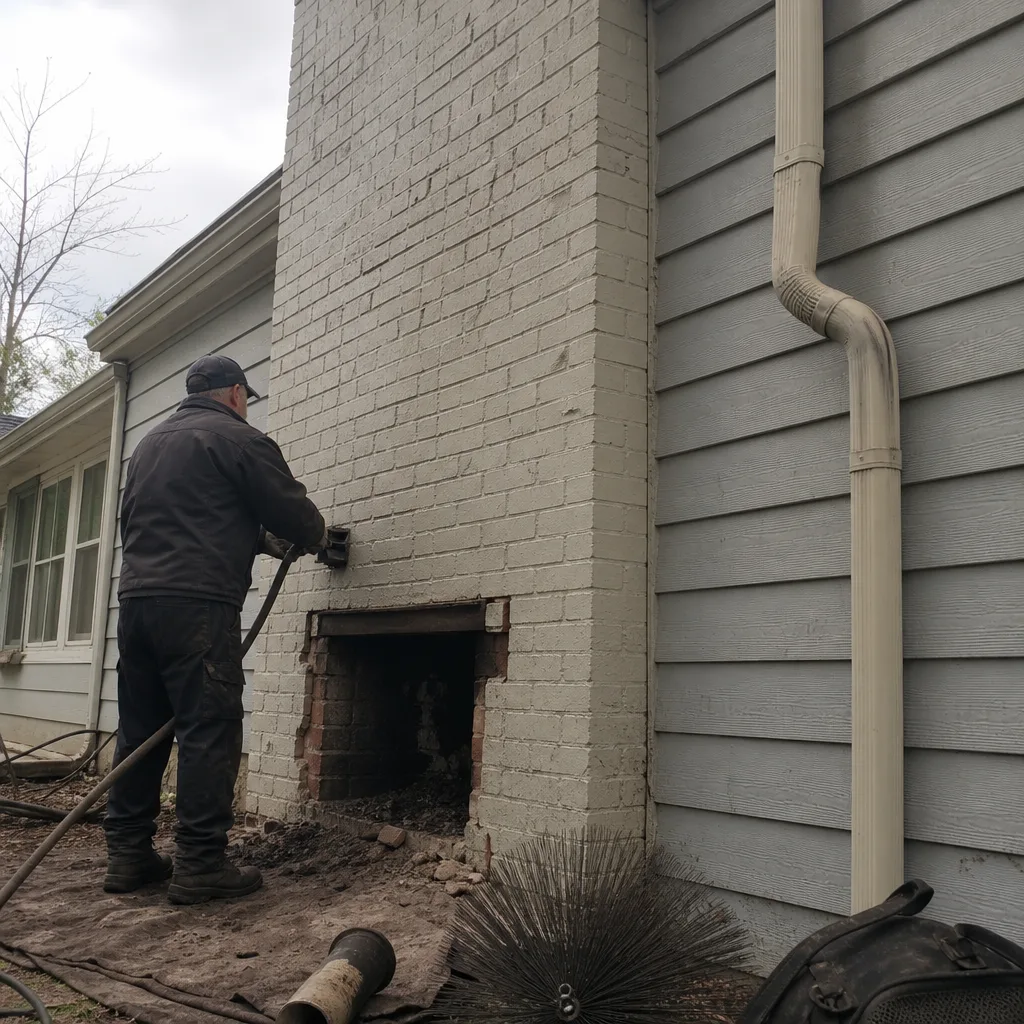 Before
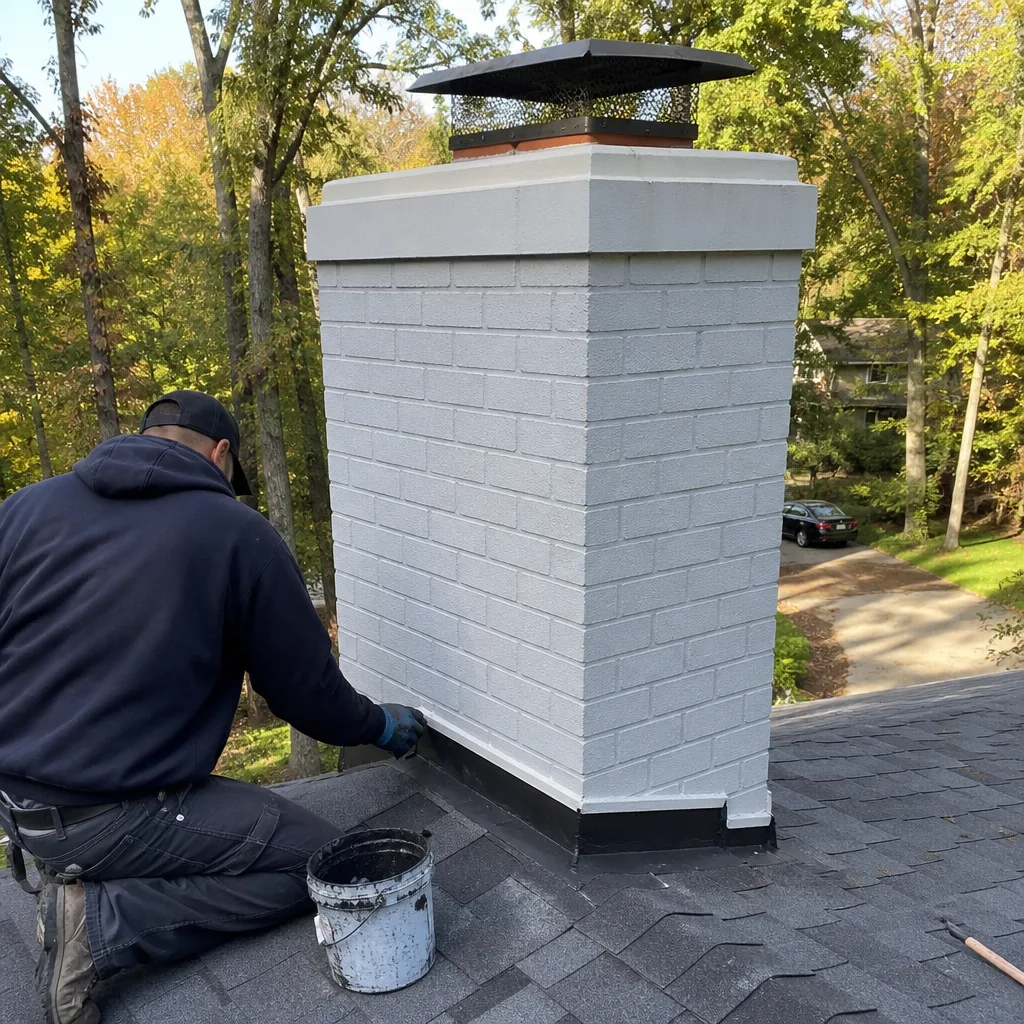 After
After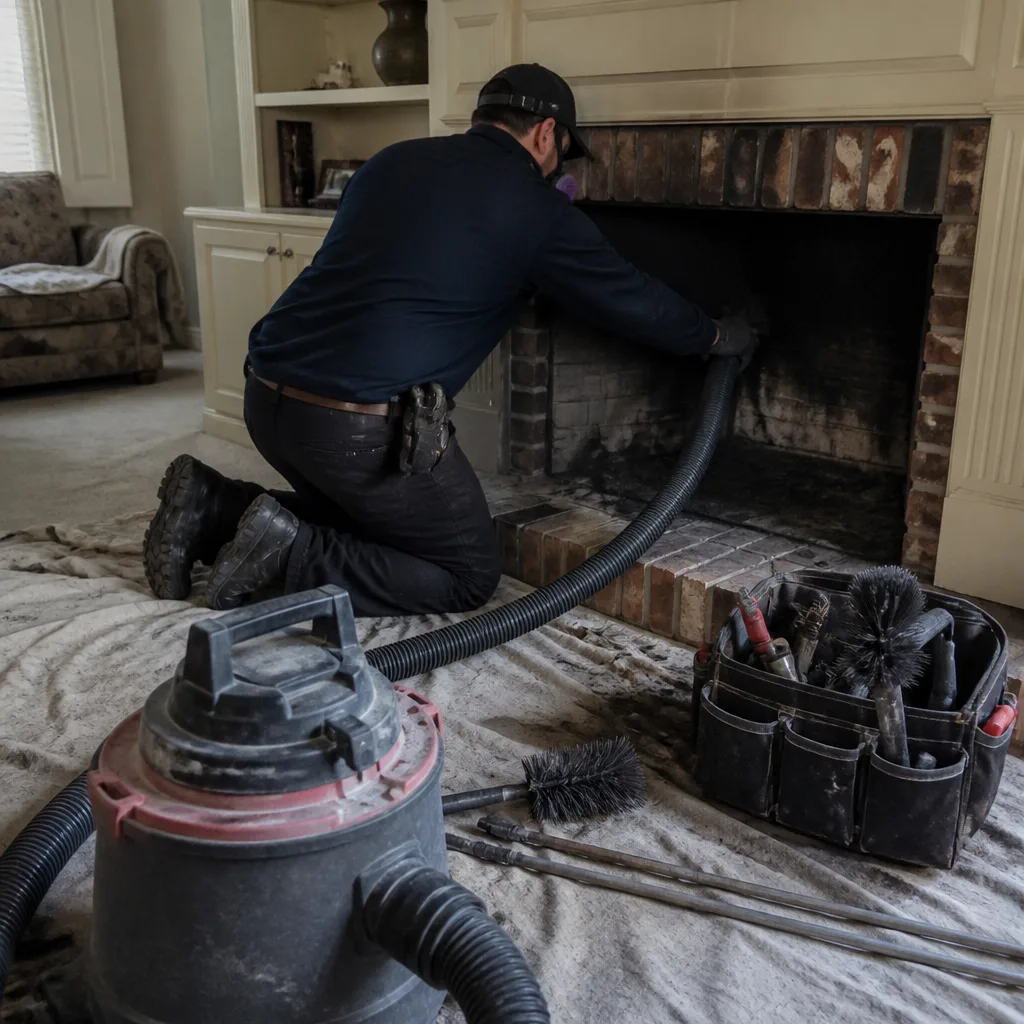 Before
 After
After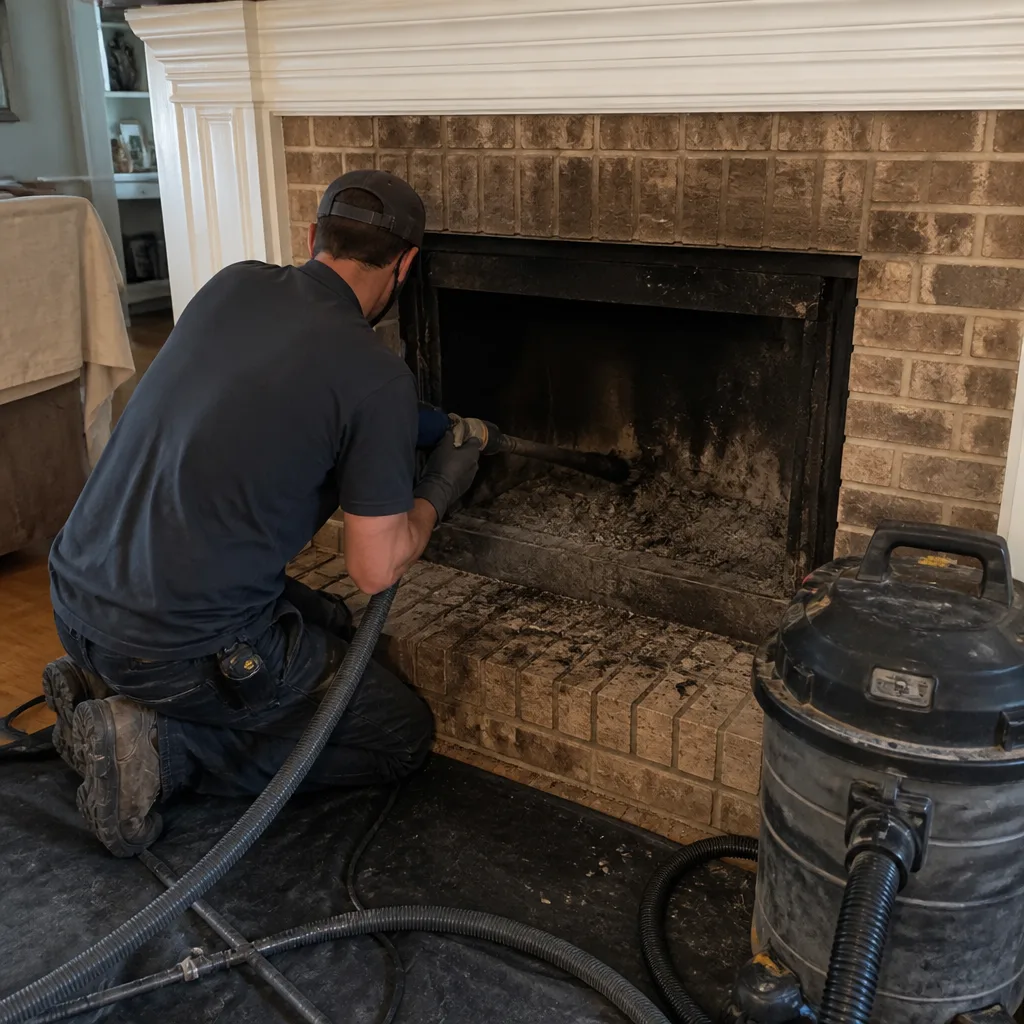 Before
 After
After