
Last updated October 15, 2026
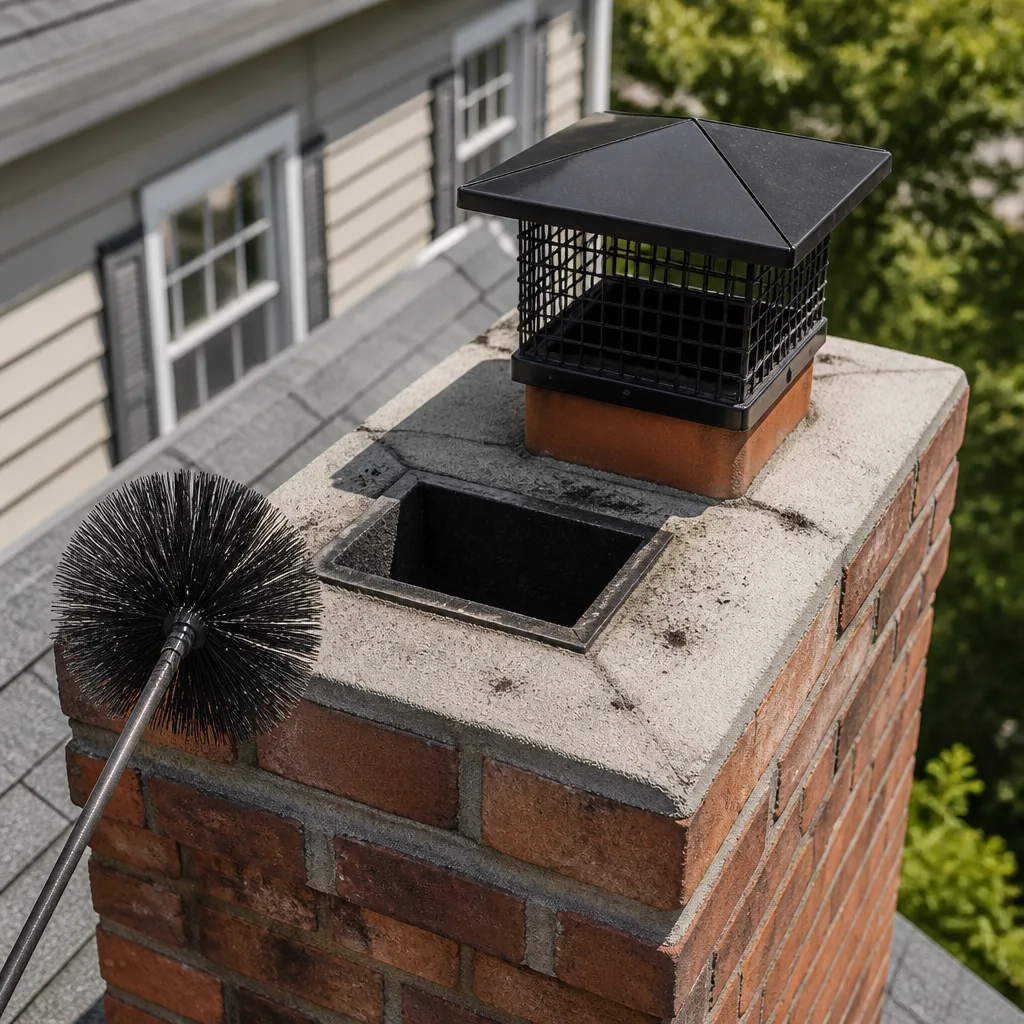 Sweep & inspection
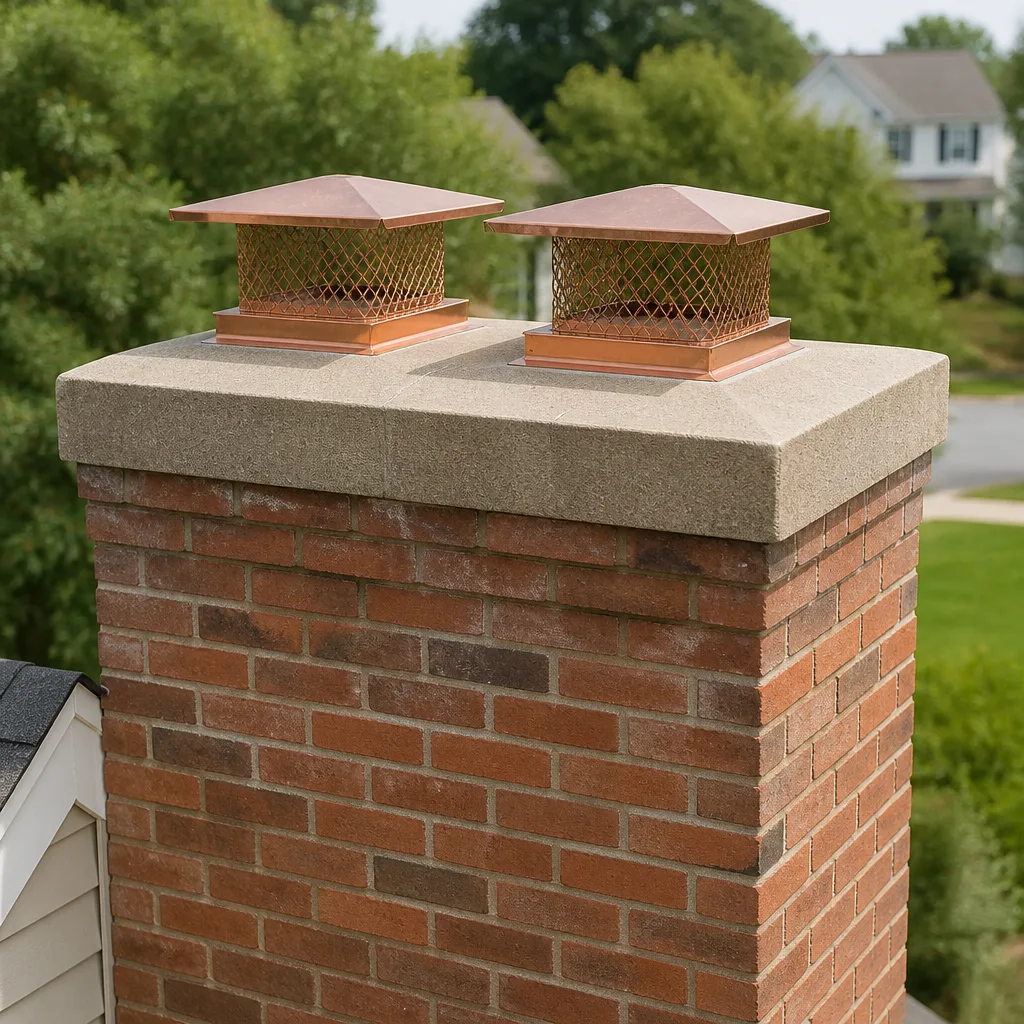 Caps & crowns
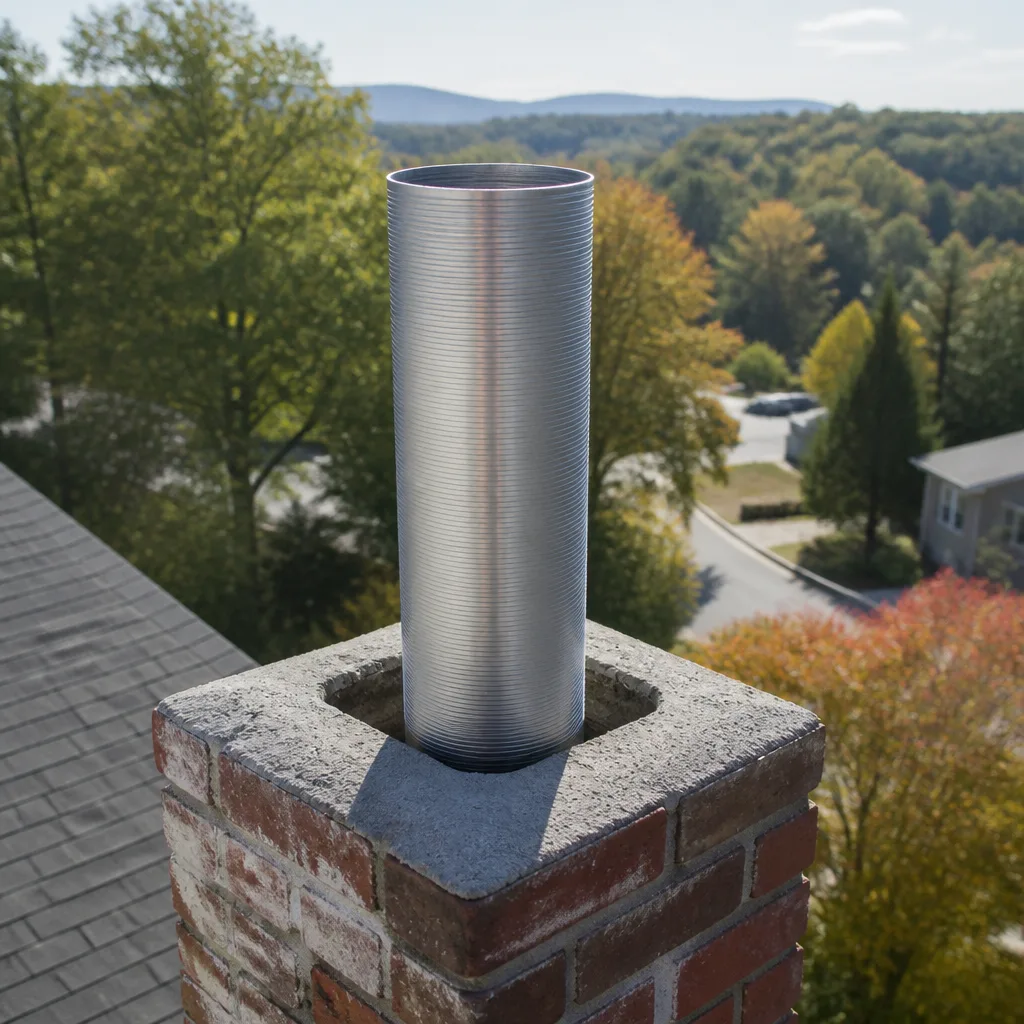 Flue relining
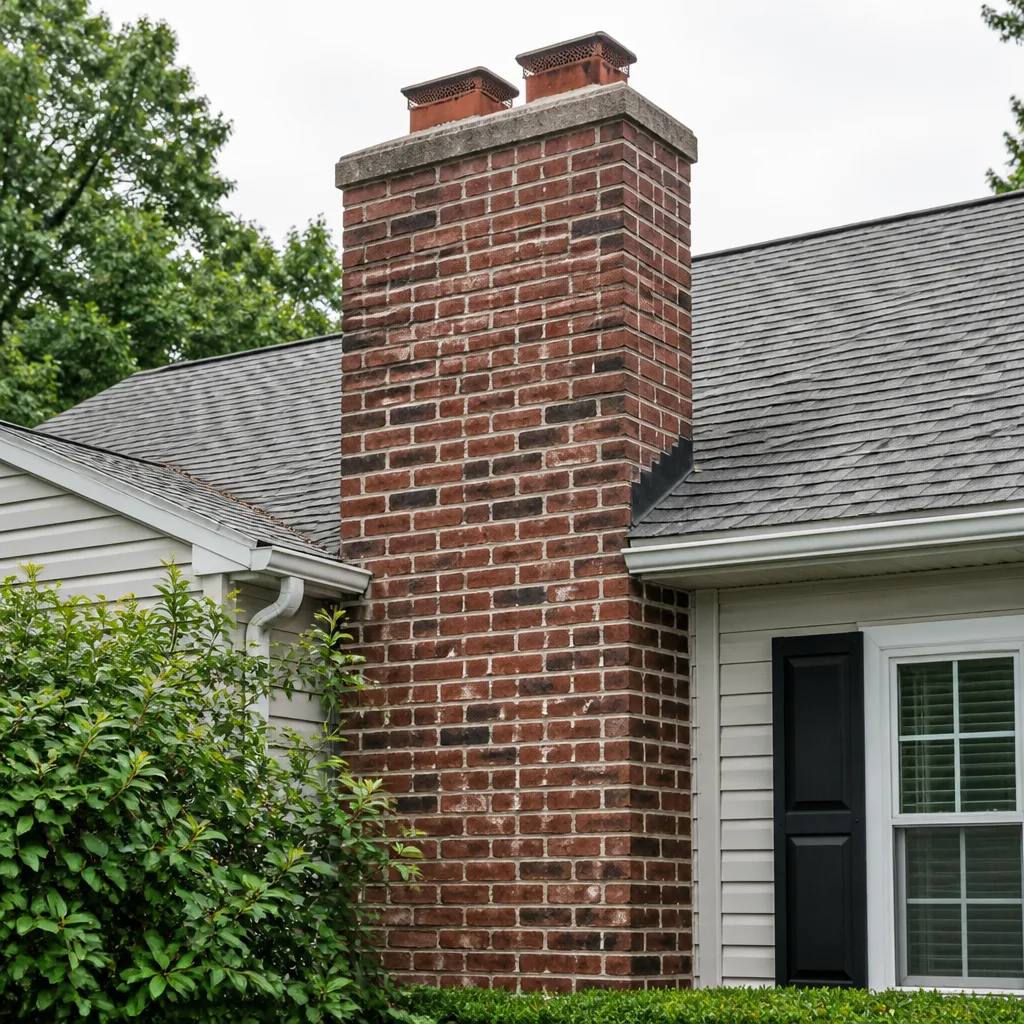 Masonry repair
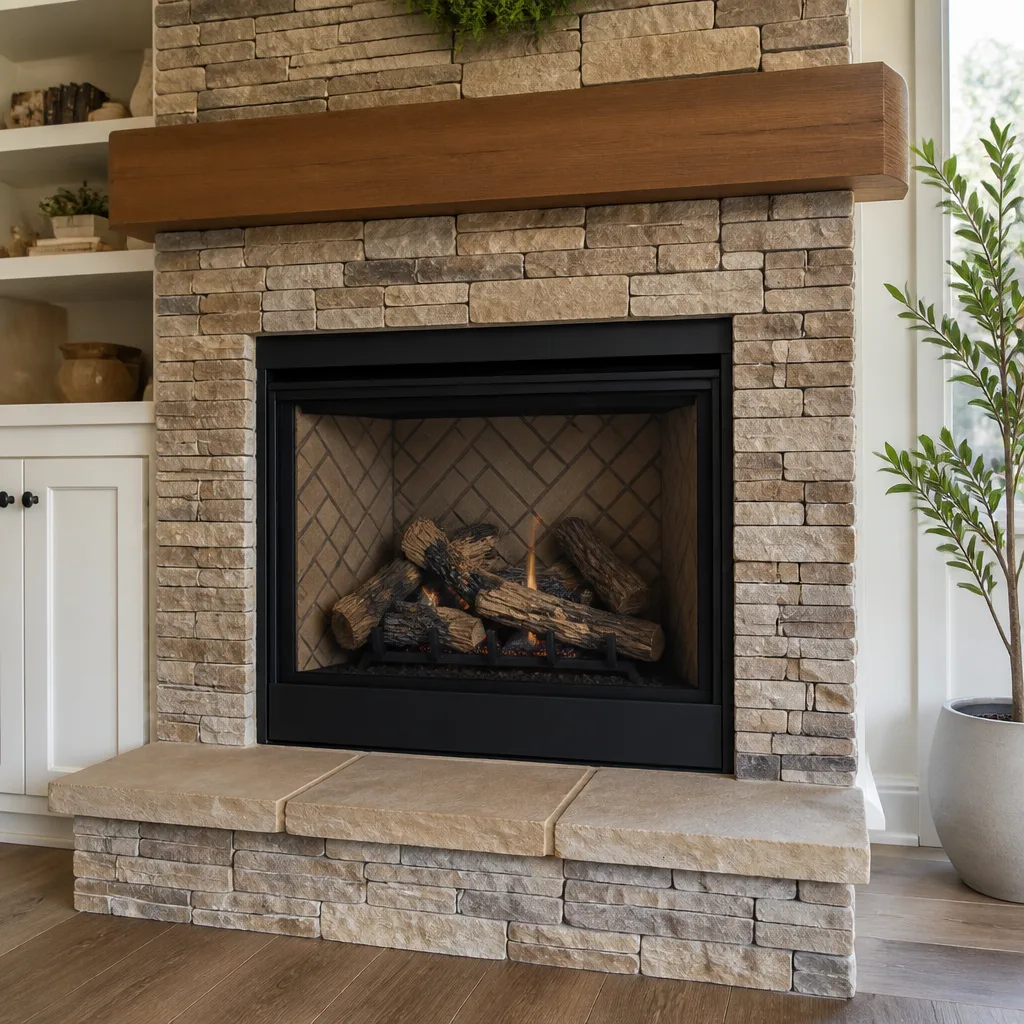 Gas fireplace service
Level 1 sweep and inspection to the NFPA 211 annual standard - flue, crown, cap, and flashing checked and photographed
Chimney sweep logs do not sweep chimneys. They loosen some creosote - which then falls where a brush and vacuum still have to collect it.
Chimney Cleaning Permits, Codes & Inspections in GA: What You Need to Know
Here’s the thing most Marietta homeowners don’t realize until it’s too late: the question isn’t “Do I need a permit for chimney work?” It’s “At what point does chimney work stop being maintenance and start being construction?” A standard sweep sits safely on one side of that line in Georgia. A liner replacement is on the other. If you get that distinction wrong, you’re not just dealing with a code violation. You’re dealing with an insurance claim that could be denied and a home sale that could stall at inspection. This guide draws the exact line, using Marietta’s actual permitting framework, so you know precisely where you stand before anyone starts work. For more context, see our Complete Guide to Chimney Cleaning in Marietta.
Styles & brands we work with
Quick Answer
A standard chimney cleaning requires no permit anywhere in Georgia, including Marietta and Cobb County. But structural repairs such as a new liner, firebox rebuild, or crown replacement do require a building permit in most Cobb County jurisdictions. The trigger is not the service itself but whether the work alters, replaces, or modifies the chimney system rather than simply maintaining it.
Table of Contents
- Georgia’s Permit Landscape: What the IRC Actually Says
- Cobb County’s Specific Thresholds for Chimney Work
- Cleanings vs. Repairs: Drawing the Line in Plain English
- NFPA 211 Inspection vs. Building Department Inspection: They Are Not the Same
- When Unpermitted Work Meets Your Homeowner’s Insurance Policy
- What a Level 2 Inspection Report Legally Documents for a Georgia Home Sale
- How Alcott Chimney Marietta Handles Permits and Paperwork
- Common Mistakes to Avoid
- When to Call a Professional
- Frequently Asked Questions
- The Bottom Line
Georgia’s Permit Landscape: What the IRC Actually Says
Georgia has adopted the International Residential Code (IRC), and that adoption is what gives your local building department its teeth. The IRC is not a suggestion. It’s the baseline construction standard for one- and two-family dwellings, and cities and counties in Georgia enforce it through their permitting process. The code chapter that matters for chimney work is Chapter 10, which covers chimneys and fireplaces. It dictates everything from minimum clearances to combustion air requirements to liner material standards.
But here’s what the IRC doesn’t do: it doesn’t tell your local jurisdiction where to draw the line between maintenance and construction. That’s left to each county and city. What the code does, however, is establish the standards that any permitted work must meet. So when a contractor in Marietta applies for a permit to repair a chimney, the work will be inspected against IRC Chapter 10. When that same contractor performs a standard cleaning, no permit exists, which means no inspection happens, which means you’re relying entirely on the contractor’s honesty about what they found.
The IRC also matters in another way homeowners rarely think about. If your chimney wasn’t code-compliant when it was built and it’s never been modified, you’re generally grandfathered. But the moment you do permitted structural work on that chimney, the inspector can require the entire system to be brought up to current code. That’s one reason a quote for a “simple” liner repair in Marietta can turn into a quote for a full smoke chamber parge and new crown. The permit triggered the code review.
Here’s the practical summary of Georgia’s IRC adoption as it relates to chimneys:
- Replacement is regulated. If a part is removed and replaced, the replacement must meet current code.
- Repair is judged on impact. Patching a crack is repair. Rebuilding the entire firebox is replacement.
- Cleaning touches nothing structurally. Mechanical and chemical removal of creosote does not modify the chimney, so it falls outside permit requirements.
- The permit is the trigger, not the material cost. A $400 liner patch might not require a permit. A $4,000 liner replacement almost certainly does. Cost is not the standard; scope of work is.
We’ve reviewed hundreds of chimneys in the Marietta area over the years, and one pattern shows up consistently: homeowners are surprised to learn that their chimney was built to a code edition that’s since been updated, sometimes significantly. The IRC is revised every three years, and Georgia periodically adopts newer editions. That gap between “what was legal in 1987” and “what’s required in 2026” is exactly the kind of thing a permitted repair will force you to confront.
Cobb County’s Specific Thresholds for Chimney Work
Marietta sits inside Cobb County, but the city has its own permitting department, and the thresholds are not identical between the two jurisdictions. If you live in unincorporated Cobb County, you file with the Cobb County Development and Inspections Division. If you live within Marietta city limits, you file with the City of Marietta Building Inspections. Both require permits for structural chimney work. Neither requires a permit for a standard sweep.
Here’s the specific breakdown of what we’ve seen enforced in this exact market:
- Flue liner replacement or relining: Permit required in both Marietta and Cobb County. The liner is a structural component of the chimney system, and its replacement falls under the IRC’s fireplace and chimney provisions. Expect a plan review and a final inspection.
- Firebox rebuild: Permit required. This is a structural masonry job, not a routine repair, and both jurisdictions treat it as such.
- Chimney crown replacement or significant repair: Permit typically required if the crown is being removed and recast. A simple sealant application does not trigger a permit.
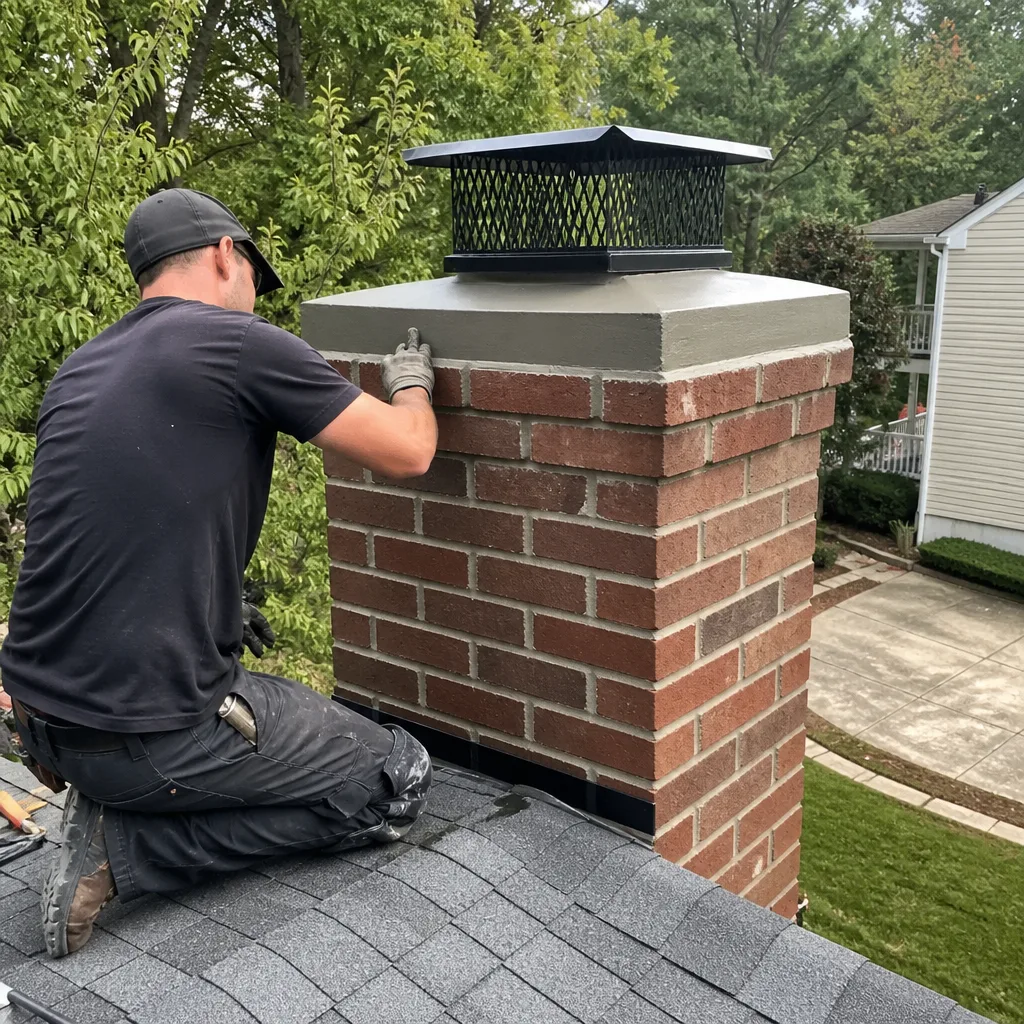
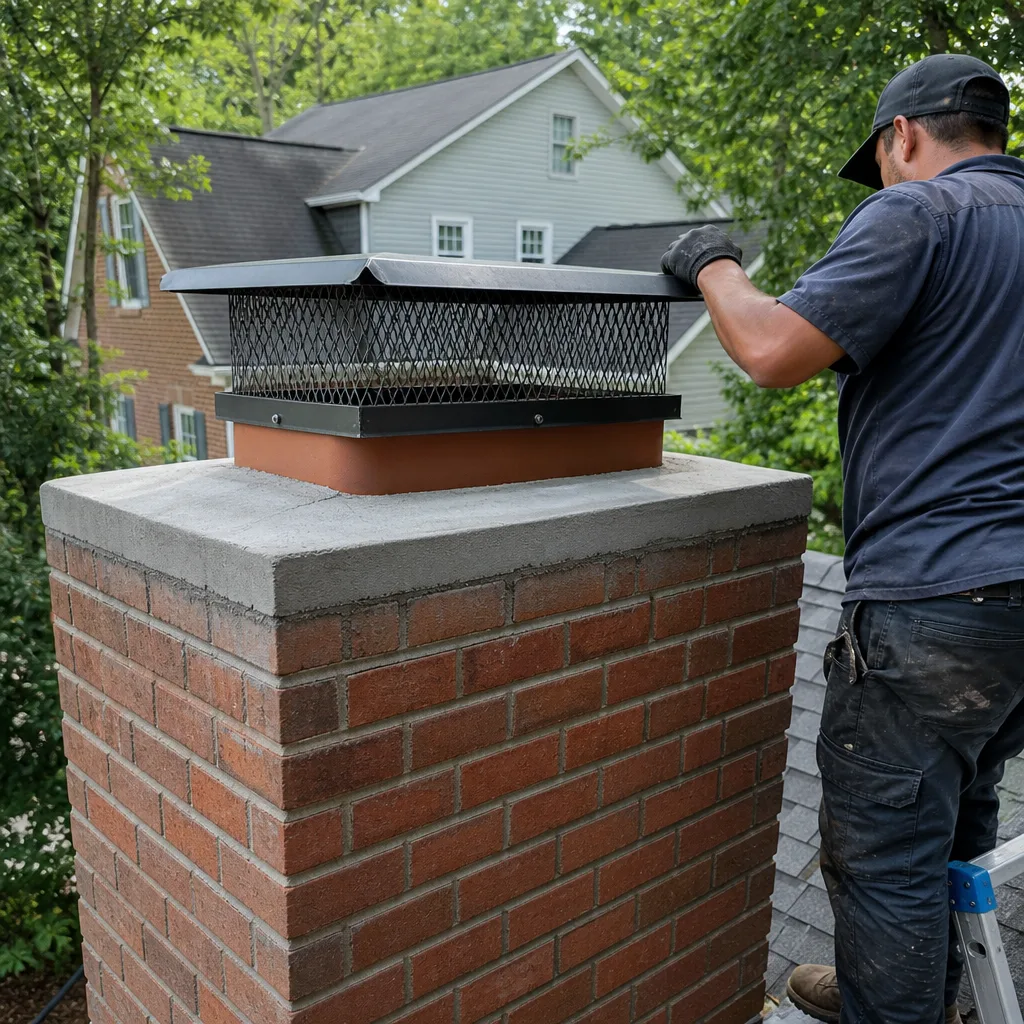
- Chimney cap installation or replacement: No permit required. This is considered a minor accessory that doesn’t modify the structural chimney system.
- Smoke chamber parging: Permit required, because the work changes the interior dimensions of the chimney’s smoke path and must meet IRC fire safety standards.
- Standard sweeping and level 1 inspection: No permit required. This is maintenance.
One quirk specific to Cobb County is worth noting. The county’s building department has become stricter in recent years about requiring a permit when a contractor reports “excessive creosote accumulation requiring chemical treatment beyond standard mechanical cleaning.” That’s a phrase some contractors use to upsell expensive chemical treatments. The county’s position is that if the chimney condition is bad enough to require a different category of intervention, the work needs to be documented. That’s a threshold most homeowners never hear about until a contractor is standing in their living room explaining why the job just went from $249 to $2,400.
Before any repair work begins at your Marietta home, a qualified chimney sweep should tell you point-blank whether the proposed work requires a permit, as outlined in our Chimney Sweep Maintenance Checklist for Marietta Homeowners. If they hedge, call the building department yourself. Both the City of Marietta and Cobb County have staff who will answer a simple question over the phone. The question to ask is: “Does this scope of work require a permit in my jurisdiction?” and then describe the work in plain terms.
Cleanings vs. Repairs: Drawing the Line in Plain English
The simplest way to think about it is this: if the work removes material, it’s likely maintenance. If the work replaces or modifies material, it’s likely construction. A sweep removes creosote, soot, and debris. Nothing is changed. A liner replacement removes the old liner and installs a new one. The system has been modified. That’s the line.
Here’s a numbered breakdown of how this applies to the services most Marietta homeowners actually need:
- Chimney sweeping: Mechanical brushing and vacuuming. No permit. No inspection. This is the service we perform most often across Marietta, and it never crosses the permit line.
- Level 1 inspection: Visual examination of accessible areas. No permit. This is a documentation service, not a construction service.
- Level 2 inspection: Video scan of the flue interior. No permit, but the report it produces becomes a legal document if you’re selling your home. More on that below.
- Cap replacement: Typically no permit, because the cap is an accessory, not part of the flue structure itself.
- Liner resurfacing with HeatShield or similar: Permit required. Resurfacing changes the liner’s function and is classified as a repair that must meet current IRC standards.
- Full relining with a stainless system like a DuraFlex liner: Permit required. This is a structural replacement, full stop.
- Masonry repair to the exterior chimney stack: Depends on scope. Tuckpointing a few bricks is maintenance. Rebuilding a section of the stack is construction and likely needs a permit.
The distinction matters because of what a permit gives you: an independent third party (the building inspector) verifying that the work meets minimum safety standards. When you skip the permit on a liner replacement, you are accepting the contractor’s word that the job was done right. That word is worth exactly nothing if there’s a chimney fire and your insurer asks for documentation that the liner was installed to code.
Our position at Alcott Chimney Marietta is straightforward. If the job requires a permit, we tell you before we start, and we pull it. If it doesn’t, we tell you that too. Our philosophy on Alcott Chimney Marietta home services generally is that paperwork is part of the job, not an add-on. A homeowner should never have to ask whether the contractor is following the rules.
NFPA 211 Inspection vs. Building Department Inspection: They Are Not the Same
This is the distinction that causes more confusion in Georgia than almost anything else. The NFPA 211 is a fire safety standard published by the National Fire Protection Association. It defines three levels of chimney inspection. A building department inspection is something entirely different. It’s a municipal enforcement action tied to a permit.
Here’s the practical difference:
- NFPA Level 1 inspection: Performed during a routine sweep when the system hasn’t changed. It’s visual and limited to accessible areas. It produces a service record, not a legal document.
- NFPA Level 2 inspection: Required when the system changes (new liner, new appliance) or when a property is sold. It includes a video scan of the interior flue. This is the inspection that shows up in Georgia real estate transactions.
- NFPA Level 3 inspection: Required when a Level 2 reveals hidden damage that requires opening up portions of the structure to investigate. This is rare and usually involves significant deterioration.
- Building department inspection: Performed by a municipal inspector after permitted work is complete. The inspector verifies compliance with the IRC, not with NFPA 211. The two standards overlap but are not identical.
In Marietta, the pattern we see most often is this: a home goes under contract. The buyer’s home inspector flags the chimney as “needs evaluation by a qualified chimney professional.” Our Chimney Inspection in Marietta team performs a Level 2 inspection. The report documents the condition of the liner, the smoke chamber, the crown, and the firebox. If the liner is cracked, the buyer asks the seller to repair it. The repair requires a permit. The building department inspects the completed repair. The Level 2 report gets updated. The sale closes.
Notice how each document serves a different purpose. The Level 2 report is an evidence document. The building inspection is a compliance document. You need both in a Georgia home sale where chimney work is involved.
One more thing about NFPA 211 that matters in our market. The standard states that chimneys should be inspected at least once a year and cleaned when creosote accumulation reaches 1/8 inch. Learn to recognize problems early with our Chimney Cleaning Warning Signs: A Marietta Homeowner’s Reference Guide. That 1/8 inch threshold is specific and measurable. It’s not a company rule. It’s the industry’s fire safety standard, and it’s the threshold our techs use when they tell you whether you need a sweep today or can safely wait until next season.
When Unpermitted Work Meets Your Homeowner’s Insurance Policy
Let’s talk about the thing nobody mentions until after a chimney fire: your insurance company doesn’t care what your contractor told you. It cares what’s documented. If a chimney fire starts in a liner that was replaced without a permit, your insurer has a legitimate basis to investigate whether the unpermitted work caused or contributed to the loss. That investigation can delay a claim for months, and in the worst case, it can result in a denial.
Here’s how the sequence typically works in Cobb County:
- A fire occurs in or near the chimney system.
- The insurer sends an adjuster who reviews the fire department report.
- If the fire report notes “possible chimney fire” or “creosote ignition,” the adjuster requests documentation of the chimney’s maintenance and repair history.
- If you had a liner replaced three years ago and there’s no permit on file, the adjuster asks why.
- If the unpermitted liner is identified as a contributing factor, the insurer may reduce or deny the claim.
This is not theoretical. We have spoken with Marietta homeowners who were in exactly this position. The common thread is always the same: they trusted a contractor’s assurance that “you don’t need a permit for that,” and the assurance turned out to be wrong.
The question to ask your insurer before any major chimney repair is direct and specific: “If I have a chimney liner replaced, do you require proof of permitting for the coverage to apply?” Different carriers answer differently. Some don’t ask. Some ask only if a claim occurs. Some want the permit on file at the time the work is done. The point is that you should know your carrier’s position before you cut a check.
And one more insurance nuance specific to Georgia. A homeowner’s policy typically covers sudden and accidental losses, not gradual deterioration. If a slow leak from a deteriorated crown rots your roof sheathing over three years, that’s maintenance failure. If a chimney fire ignites from creosote that should have been cleaned, that’s often classified as neglect. The permit is not about proving you did work. It’s about proving the work you did was done to a standard. That’s an important distinction.
What a Level 2 Inspection Report Legally Documents for a Georgia Home Sale
In Georgia real estate transactions, a Level 2 inspection report functions as a disclosure document. When a seller provides it to a buyer, it certifies the condition of the chimney as of the inspection date. When a buyer commissions it, it becomes part of the due diligence record. Either way, the report creates a paper trail that survives the closing.
Here’s what a proper Level 2 inspection report includes:
- Flue interior video footage: The scan is the core of the Level 2. It shows cracks, gaps, and deteriorating mortar joints that are invisible from the outside.
- Liner condition documentation: The report states specifically whether the liner is intact, cracked, spalling, or missing sections. Vague language like “some wear” is not a professional assessment.
- Smoke chamber condition: Whether the chamber is smooth or rough, and whether parging is needed. This is a common failure point in Marietta homes built before 1990.
- Clearance verification: Whether the chimney meets current clearance requirements for combustibles. Older Marietta homes often fail this because building standards were looser decades ago.
- Appliance connection documentation: Whether gas or oil appliances are properly connected to the flue and whether the connection is code-compliant.
- Repair recommendations with severity ratings: The report should distinguish between “repair now” and “repair soon.” That distinction is what protects both buyer and seller.
The legal weight of this report shows up in one specific Georgia scenario: a buyer accepts a home with a chimney that was “serviced” but never inspected. Six months later, the liner fails. The buyer’s attorney asks who performed the inspection that certified the chimney. If the answer is “nobody,” the seller and possibly the listing agent face a disclosure claim. A current Level 2 report, on the other hand, puts everyone’s position on paper.
We perform Chimney Inspection in Marietta services for buyers, sellers, and homeowners who simply want to know what they’re working with before they light the first fire of the season. Our reports are written with the same detail we’d want if we were buying the house. That’s the standard.
How Alcott Chimney Marietta Handles Permits and Paperwork
Here’s our philosophy, stated as plainly as we can make it: paperwork is not a burden. It’s the evidence that the work was done correctly. We pull permits when required, we document everything, and we give you the report before we leave the driveway.
Every Alcott Chimney Marietta job includes three non-negotiable items:
- Written price before work begins. You approve the number before our technician picks up a brush. No surprises at the end.
- Written guarantee on every repair. If it fails within the coverage period, the second visit is free. That’s the 365-Day Done Right Promise, and it applies to every repair we complete.
- A thorough report of exactly what was done and what was found. You’ll see the same camera footage we see, and we’ll explain what it means in terms you can act on.
We install professional trade materials, not box-store substitutes. When a liner replacement is called for, we use systems from DuraFlex, a manufacturer chimney professionals specify. When resurfacing is appropriate, we apply HeatShield. These products carry their own manufacturer standards, and combined with proper permitting, they give you a documentation trail that stands up to scrutiny.
Ruben Castellano has owned and operated Alcott Chimney Marietta since 2002, and in that time, the number one thing we’ve learned about our Marietta customers is that they want to be told the truth, even when the truth is “this can wait.” A permit is part of that truth. If your job needs one, we’ll tell you. If we can save you the permit fee because the work doesn’t cross the threshold, we’ll tell you that too.
Common Mistakes to Avoid
- Assuming all chimney work requires a permit. It doesn’t, and paying a contractor to pull a permit for a simple sweep is money you didn’t need to spend. Ask specifically whether your scope of work crosses the maintenance-versus-construction line.
- Assuming no chimney work ever requires a permit. The opposite error is the more dangerous one. A liner replacement without a permit can cost you far more than the permit fee if an insurance claim is ever filed.
- Accepting a verbal assurance from a contractor instead of checking with Marietta or Cobb County directly. One phone call to the building department settles the question in two minutes. The number is public information, and the staff will answer a direct question.
- Skipping the Level 2 inspection when buying or selling a home in Marietta. The cost of the inspection is trivial compared to the cost of a chimney failure that could have been documented. If you’re the seller, the report protects you from future disclosure claims. If you’re the buyer, it protects you from buying a fire hazard.
- Confusing the NFPA 211 inspection with a building department inspection. They are not interchangeable. One documents condition. The other verifies code compliance. You need to know which one you’re getting and why.
- Waiting to ask your insurer about chimney repair coverage until after the work is done. The time to call your carrier is before you sign a contract for a liner replacement or firebox rebuild. Ask directly whether they require proof of permitting.
- Letting a contractor talk you into “upgrading” a routine cleaning into a major repair without camera evidence you can review yourself. At Alcott Chimney Marietta, every repair recommendation comes with footage. If a contractor can’t show you the problem, the problem may not exist.
When to Call a Professional
If you’re reading this guide because something feels off with your chimney, call. If you smell smoke in the house after the fire is out, call. If you see white staining on the exterior chimney brick, call. If you noticed debris falling into the fireplace during the off-season, call. If your home inspection flagged the chimney and you’re under contract, call. If you’re not sure whether the work done by a previous owner was permitted, call and ask us to check. You can also browse more guides & resources on our blog.
Alcott Chimney Marietta offers free estimates in Marietta. Call (229) 350-8952, and you’ll speak to a live person. We’ll answer your questions plainly, we’ll tell you if the work needs a permit, and we’ll give you a written price before anything starts. Our Gas Fireplace Repair in Marietta team can also evaluate whether gas appliance connections are contributing to whatever you’re experiencing.
Frequently Asked Questions
No. A standard chimney sweeping is classified as routine maintenance under Georgia’s IRC adoption and requires no permit in Marietta, Cobb County, or anywhere else in the state.
Yes. A liner replacement is structural work that modifies the chimney system, and both the City of Marietta and Cobb County require a building permit for it. We handle the permit application as part of the job.
A Level 1 is a visual check of accessible areas during a routine cleaning. A Level 2 includes a video scan of the flue interior and is required when the system has changed or when a home is being sold.
The NFPA 211 standard says a chimney should be inspected at least once a year and cleaned when creosote reaches 1/8 inch thickness. In our experience with Marietta homes, an annual cleaning for a wood-burning fireplace used regularly is the practical minimum.
In Georgia, the typical next step is a Level 2 chimney inspection that documents the interior flue condition. If repairs are needed, the buyer and seller negotiate, the work is performed with a permit where required, and the building department inspects the completed work.
Typically not for gradual deterioration. Homeowner’s insurance covers sudden losses, not maintenance. However, if a repair was done with a permit and the work is documented, and a covered event still occurs, your position with the insurer is much stronger. Call your carrier and ask directly before major work begins.
The Bottom Line
A cleaning needs no permit in Georgia. A repair that modifies the structure does. A Level 2 inspection documents what’s hidden and protects you in a sale. An unpermitted liner replacement is a time bomb that detonates at the worst possible moment: a chimnney fire, an insurance claim, or a resale inspection. In Marietta specifically, the City and Cobb County both enforce permit requirements for structural chimney work, so there’s no ambiguity to exploit. Get the permit when it’s required. Get the inspection when it matters. Get a contractor who doesn’t make you figure this out alone. That’s what Chimney Sweep in Marietta service should mean, and it’s what we’ve delivered since 2002.
Written by Ruben Castellano, Owner at Alcott Chimney Marietta, serving Marietta since 2002.
See the difference
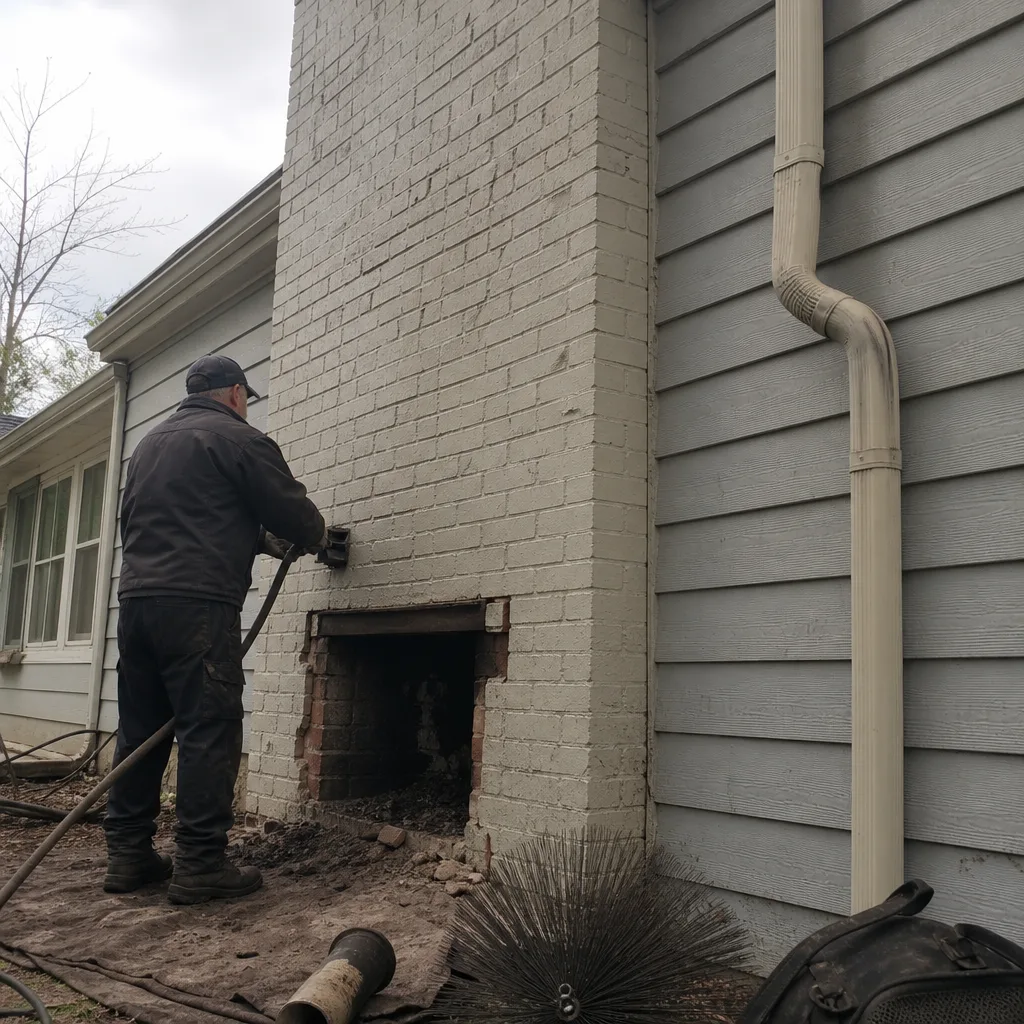 Before
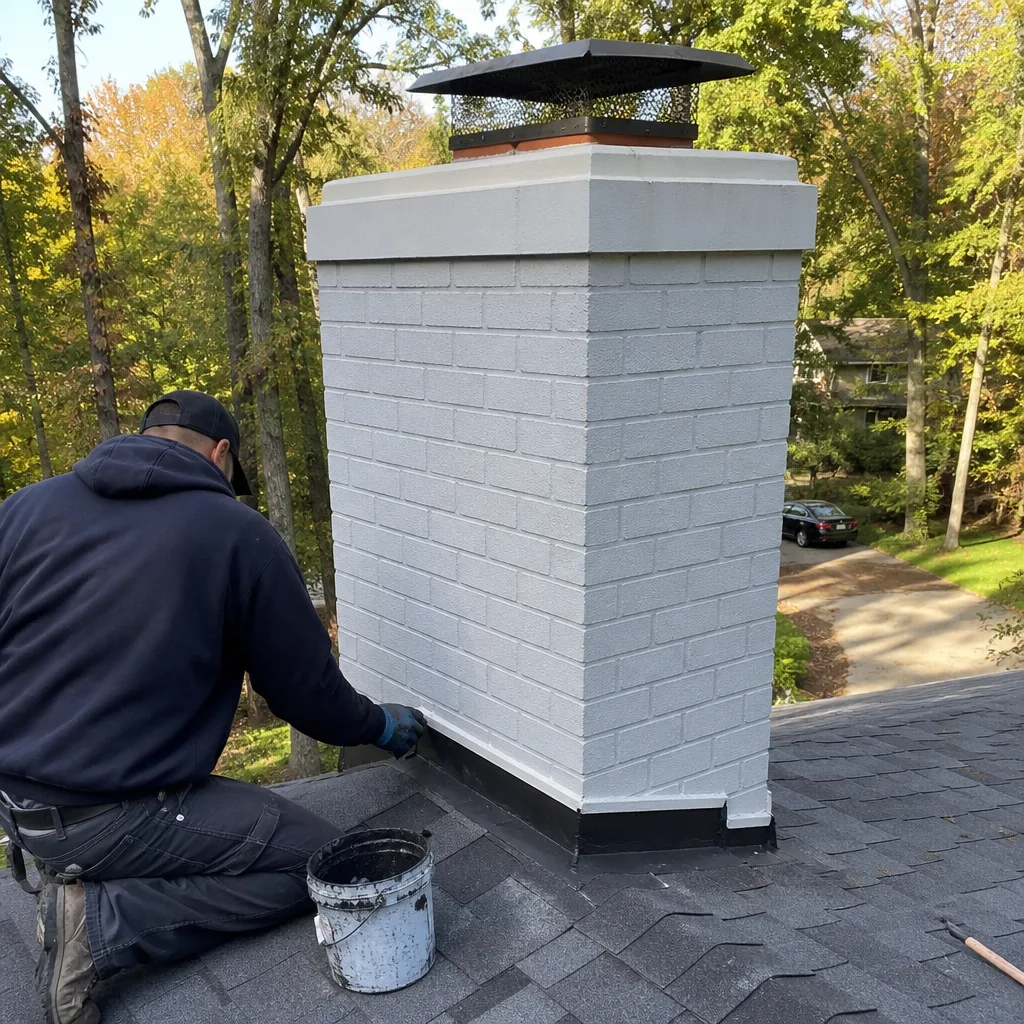 After
After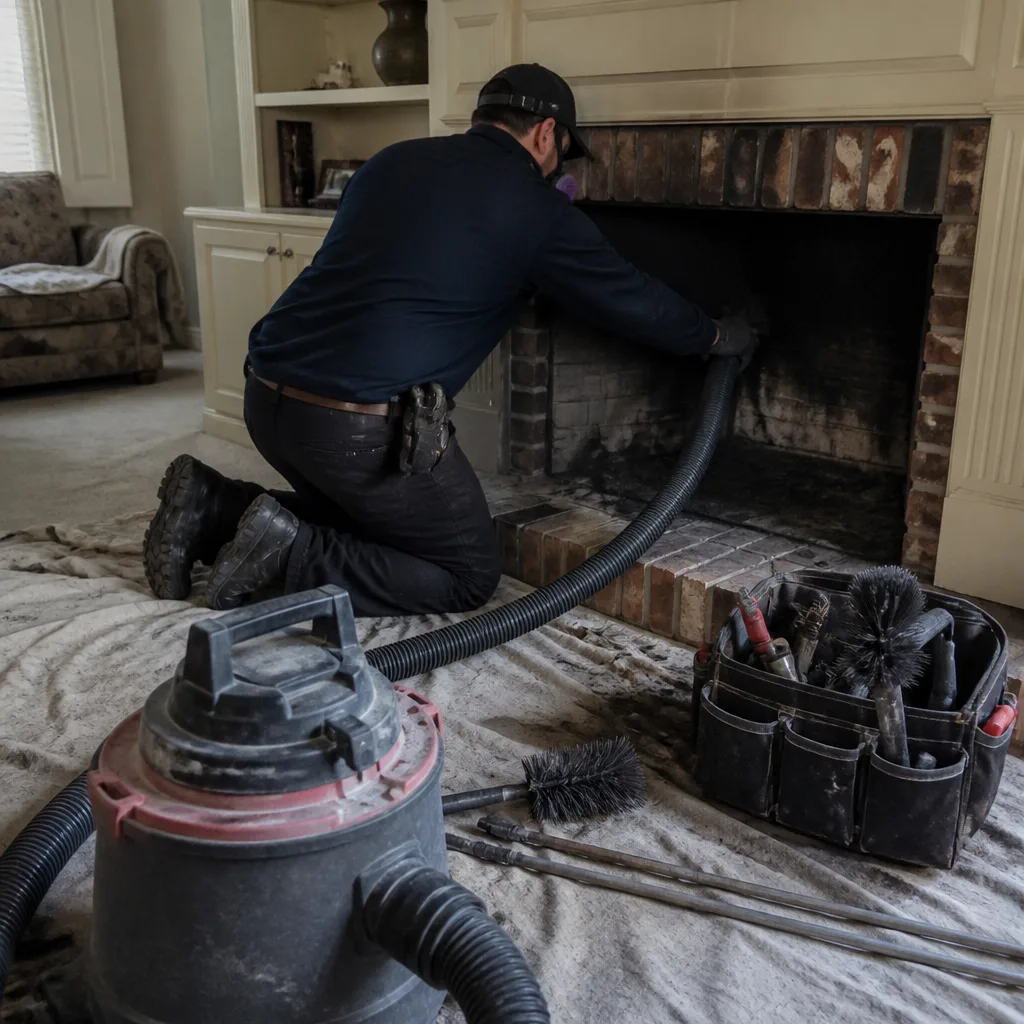 Before
 After
After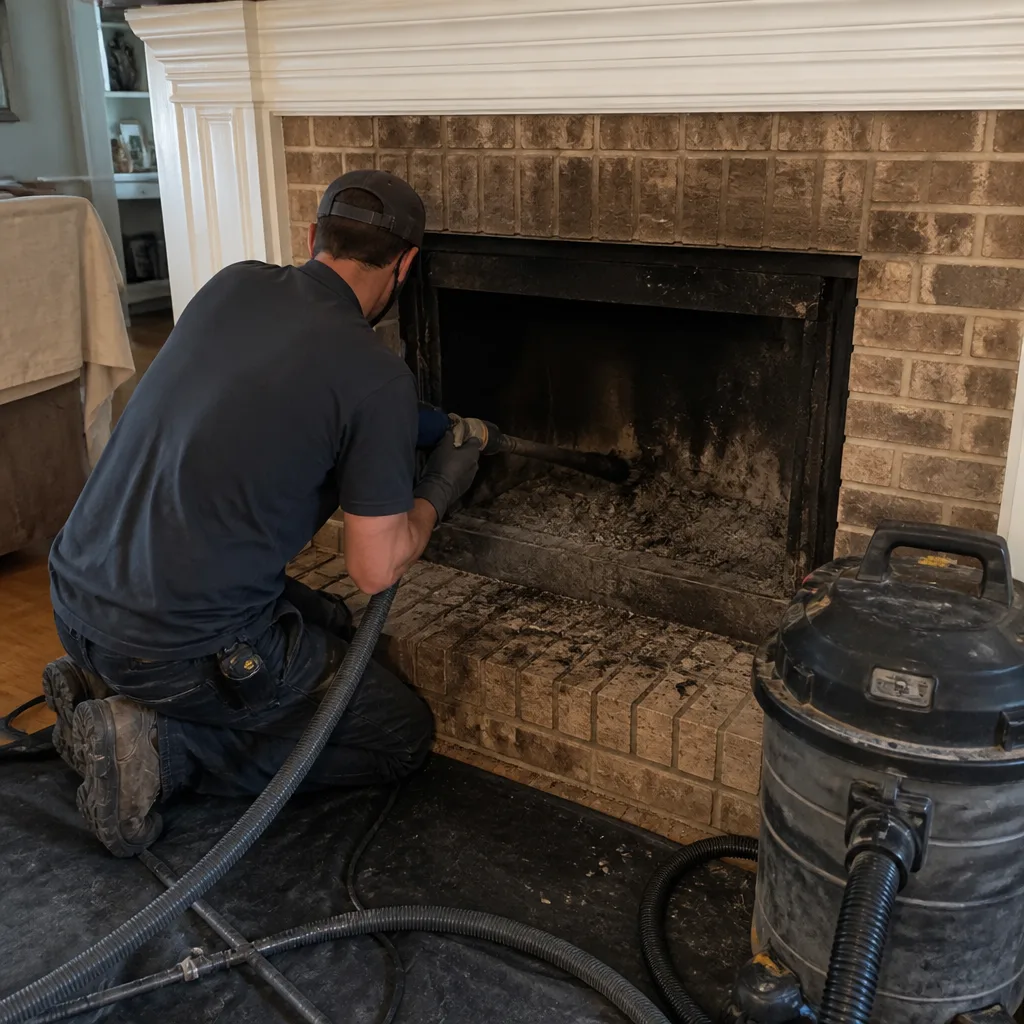 Before
 After
After