
Last updated October 15, 2026
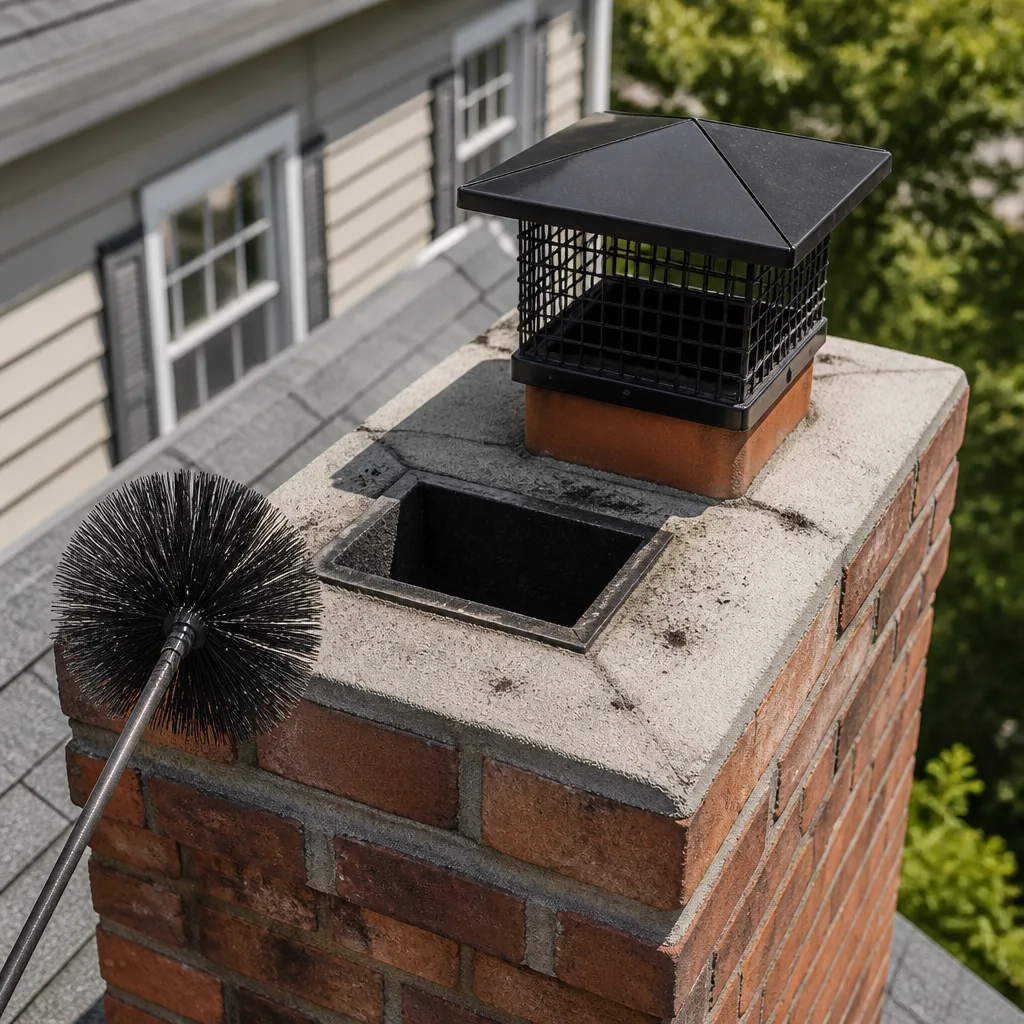 Sweep & inspection
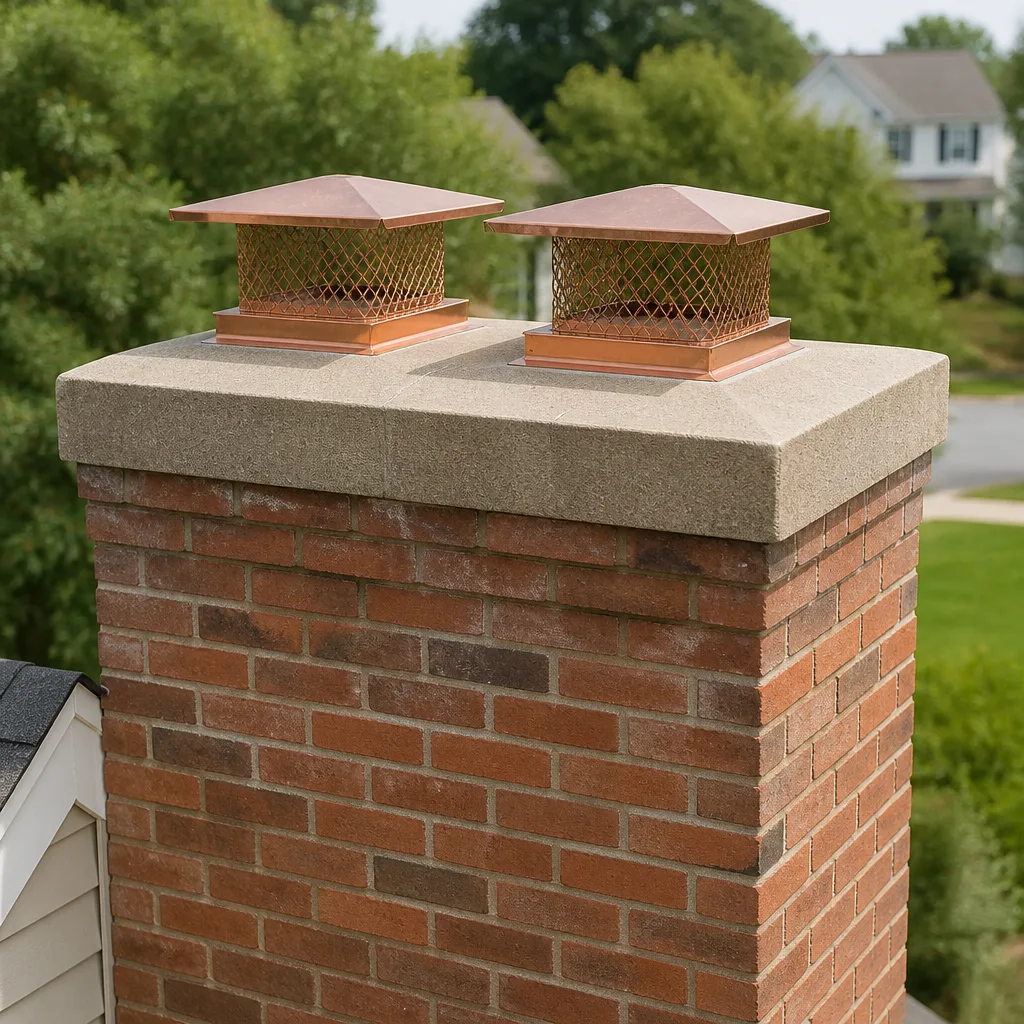 Caps & crowns
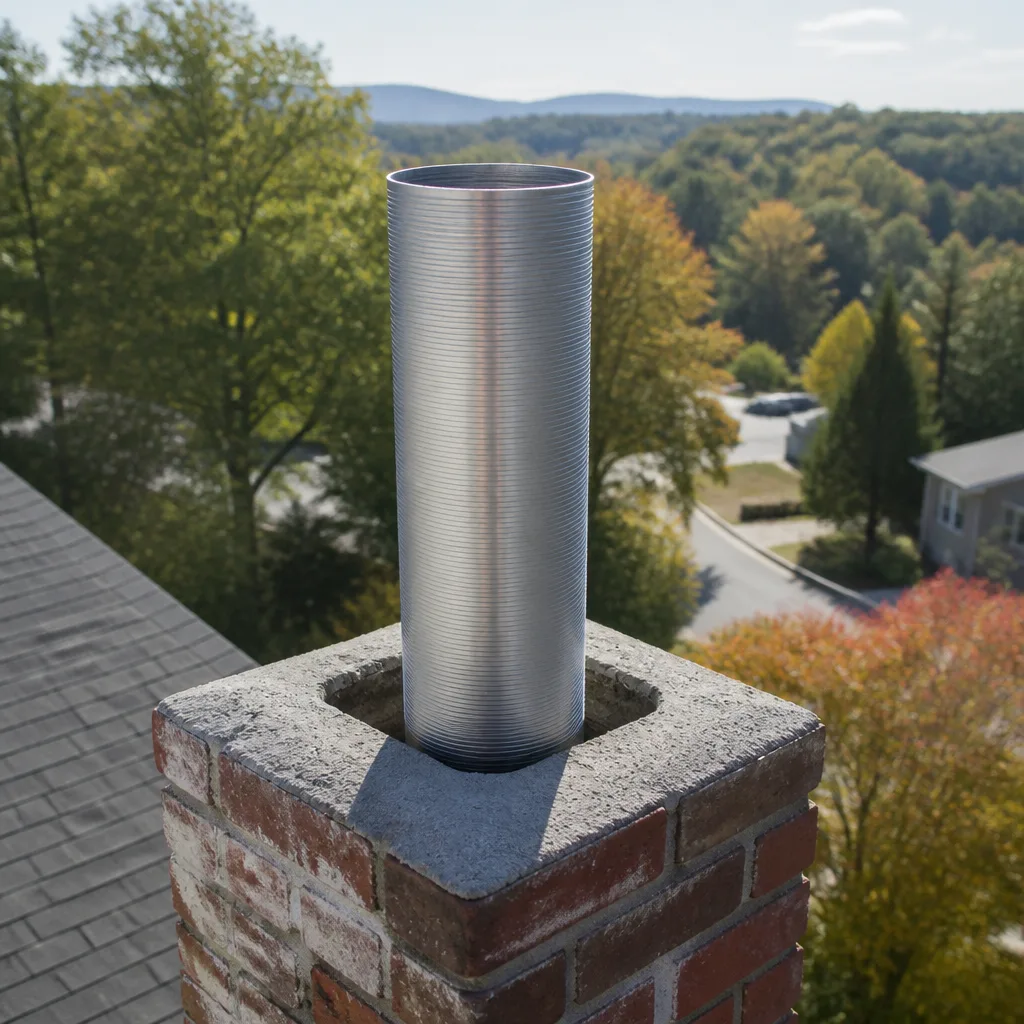 Flue relining
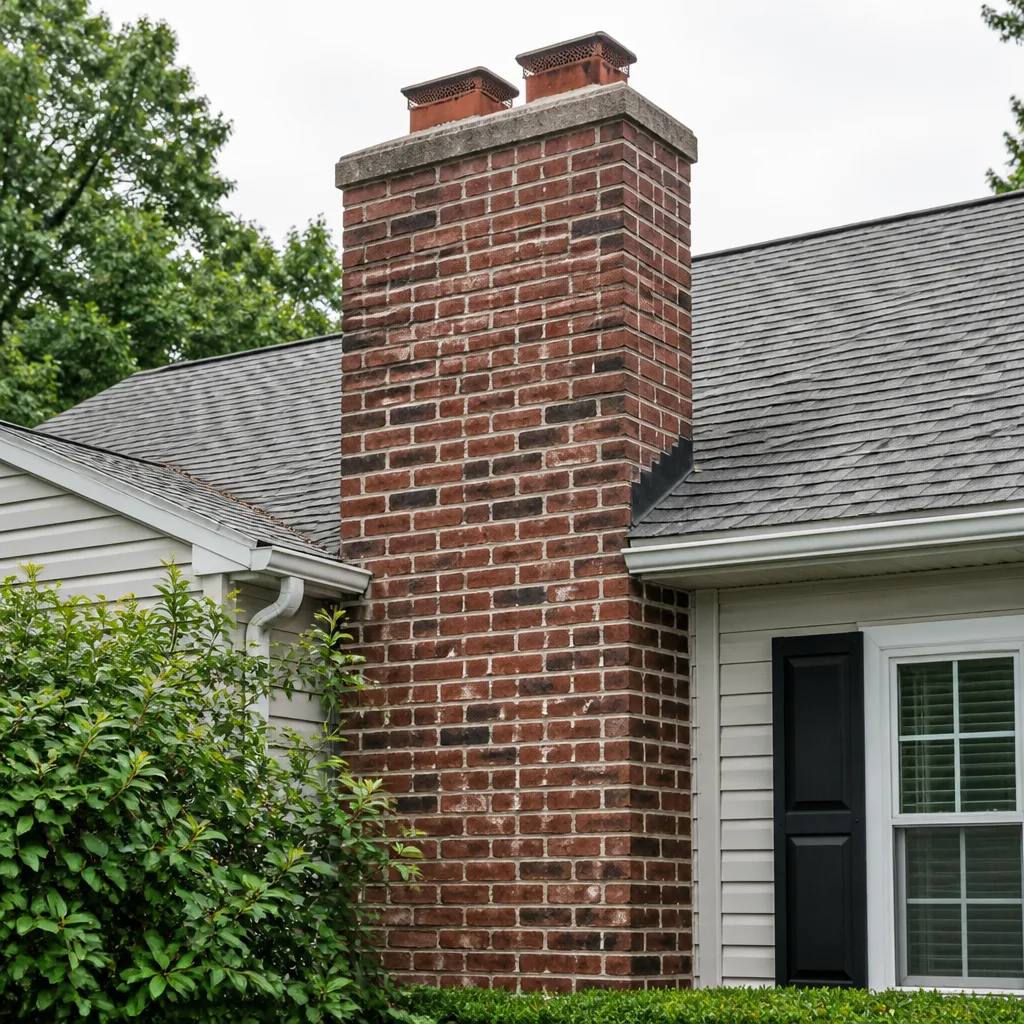 Masonry repair
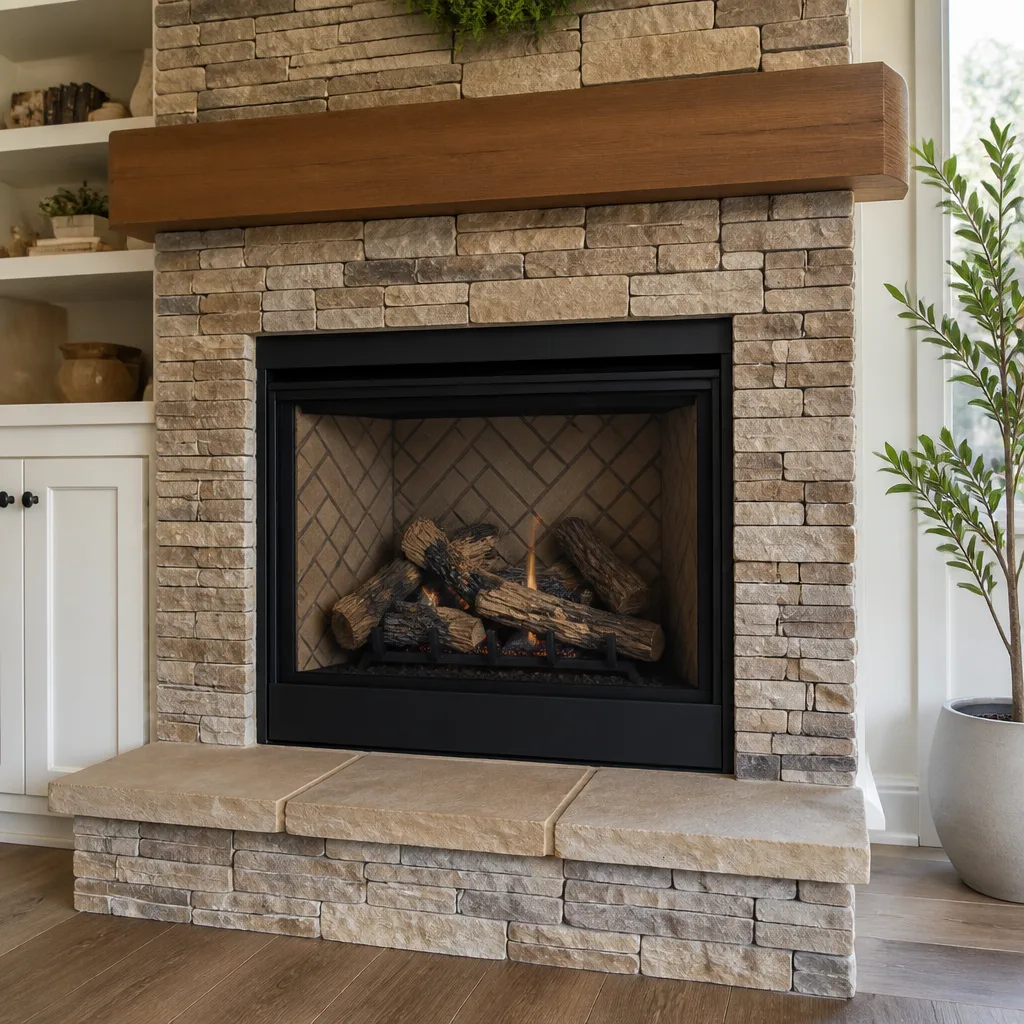 Gas fireplace service
Level 1 sweep and inspection to the NFPA 211 annual standard - flue, crown, cap, and flashing checked and photographed
Chimney sweep logs do not sweep chimneys. They loosen some creosote - which then falls where a brush and vacuum still have to collect it.
DIY vs Professional Chimney Cleaning: The Marietta Homeowner’s Decision Guide
A chimney cleaning kit from a big-box store costs about $80 and takes an afternoon. It also cleans Stage 1 creosote reasonably well and does essentially nothing for Stage 2, and you won’t know which you have until you’re already done. This guide gives Marietta homeowners an honest framework for deciding whether to tackle chimney cleaning themselves or call a professional, based on what actually matters: the condition of your flue, the risks you can and can’t see from the firebox floor, and what the money you save really costs you. We’ll walk through the exact assessment process we use on every Chimney Inspection in Marietta, explain what a kit can and can’t do, and give you straight numbers so you can make the call with confidence.
Styles & brands we work with
Quick Answer
DIY chimney cleaning is a reasonable choice only when you have verified Stage 1 creosote (light, flaky soot) and your chimney has no obstructions, no liner damage, and no history of drafting problems. For anything beyond that, especially Stage 2 or Stage 3 creosote, suspected animal nesting, or a chimney that hasn’t been professionally inspected in over two years, professional cleaning is the safer and ultimately less expensive choice because it includes the inspection step most homeowners skip-see our How to Hire a Chimney Cleaning Contractor in Marietta: A Step-by-Step Guide for what to look for. In Marietta, a professional sweep typically runs $179 to $329 before any repairs, and the inspection that comes with it is where the real value is.
Table of Contents
- The Real Question Isn’t Capability, It’s Visibility
- What a Big-Box Kit Can Actually Clean
- What a Professional Cleaning Actually Does
- How to Assess Your Own Creosote Stage Before Deciding
- The Two Scenarios Where DIY Is a Reasonable Choice
- The Three Scenarios Where DIY Creates More Risk Than It Eliminates
- The Hidden Costs of DIY That Aren’t in the Kit Price
- Liability, Insurance, and Home Sale Disclosures in Georgia
- Straight-Line Cost Comparison: DIY vs Professional in Marietta
The Real Question Isn’t Capability, It’s Visibility
Most DIY-versus-professional debates start from the wrong premise. The question is almost never whether you’re capable of running a brush up and down a flue. You almost certainly are. The question is whether you can see what’s actually in that flue before, during, and after you clean it. From the firebox floor, looking up with a flashlight, you can see maybe the first four to six feet of chimney liner. A standard Marietta chimney runs 15 to 25 feet from firebox to crown. That means in a typical two-story home, you’re making decisions about 75 percent of a system you cannot see at all. Professionals use cameras and lighting systems designed for full vertical inspection. That’s not a sales pitch. That’s the structural reality of chimney geometry. Ruben Castellano has been explaining this to Marietta homeowners since 2002, and the honest version is this: the physical labor of sweeping is the easy part. The diagnosis is where the real work happens, and diagnosis requires visibility.
What a Big-Box Kit Can Actually Clean
Walk into any home improvement store in Marietta and you’ll find chimney cleaning kits ranging from $40 to $120. Most include a set of polypropylene rods, a wire or plastic brush head sized for your flue, and sometimes a drop cloth. Here’s what that kit can genuinely accomplish:
- Stage 1 creosote removal: Stage 1 creosote is light, flaky, gray or brown soot that hasn’t hardened. A brush on rods can knock this loose reasonably well, especially in a straight flue with no offsets.
- Loose debris removal: Twigs, small leaves, and loose soot near the top of the flue can be dislodged.
- Basic visual confirmation from the top: If you’re comfortable getting on your roof, you can look down the flue and see whether obvious obstructions are present near the top.
Here’s what that kit cannot do:
- Remove Stage 2 creosote: Stage 2 is the tar-like, shiny, hardened deposit that looks like black glass. A brush skates over it. Removing Stage 2 requires rotary chains, chemical treatments, or both, and it’s the stage where chimney fires become a real risk.
- Remove Stage 3 creosote: Stage 3 is a thick, candle-wax-like glaze that has already gone through at least one high-heat event. It is a fire hazard by definition and cannot be removed by brushing alone. Professional-grade chemical treatment followed by rotary cleaning is the only effective path, and in some cases, a new liner is the honest answer.
- Inspect the liner for cracks, gaps, or deterioration: Your brush passes through the flue. Your eyes never see the middle of it. A cracked clay tile liner in the middle of a two-story chase is invisible from both the top and the bottom. It will pass a DIY cleaning and still be a safety hazard.
- Confirm proper draft: Draft is affected by flue height, cross-sectional area, cap obstruction, and nearby structures. A clean flue can still draft poorly. A brush doesn’t diagnose that.
- Document condition for insurance purposes: If a fire happens, your insurance company will ask for a professional inspection report. A receipt from a big-box store for a brush kit won’t carry the same weight.
We work with professional trade materials like DuraFlex liner systems and HeatShield resurfacing products for a reason: they’re the same brands chimney professionals specify, and they work on the problems a brush can’t touch. The tools matter less than you’d think. The diagnosis matters more than most homeowners realize.
What a Professional Cleaning Actually Does
A professional chimney sweep in Marietta does four things that a kit structurally cannot, regardless of the homeowner’s effort or care. Understanding these four functions is the clearest way to see what you’re actually paying for.
1. Full-Length Camera Inspection
Before any brush touches the flue, a professional will run a camera from the firebox to the crown. This shows the entire liner surface, every joint, and any offset or obstruction. The camera sees what your flashlight can’t: mid-flue cracks, separated tile joints, hidden animal nests, and creosote staging that varies at different heights. At Alcott Chimney Marietta, we show you the camera footage. You shouldn’t have to take anyone’s word for a repair recommendation. That’s a core part of how we operate, and it’s why our Chimney Sweep in Marietta service includes the inspection as part of the sweep, not as an add-on.
2. Staged Creosote Removal
A professional assesses the creosote stage and matches the removal method to it. Stage 1 gets brushed with the right diameter and stiffness of brush for the liner material. Stage 2 gets rotary chains or chemical treatment, often both in sequence. Stage 3 gets a different protocol entirely, and sometimes the honest answer is that the liner needs replacement. That answer is never popular, but it’s the truth, and you deserve the truth more than you deserve a cheap sweep that leaves a fire hazard in place.
3. Component Inspection
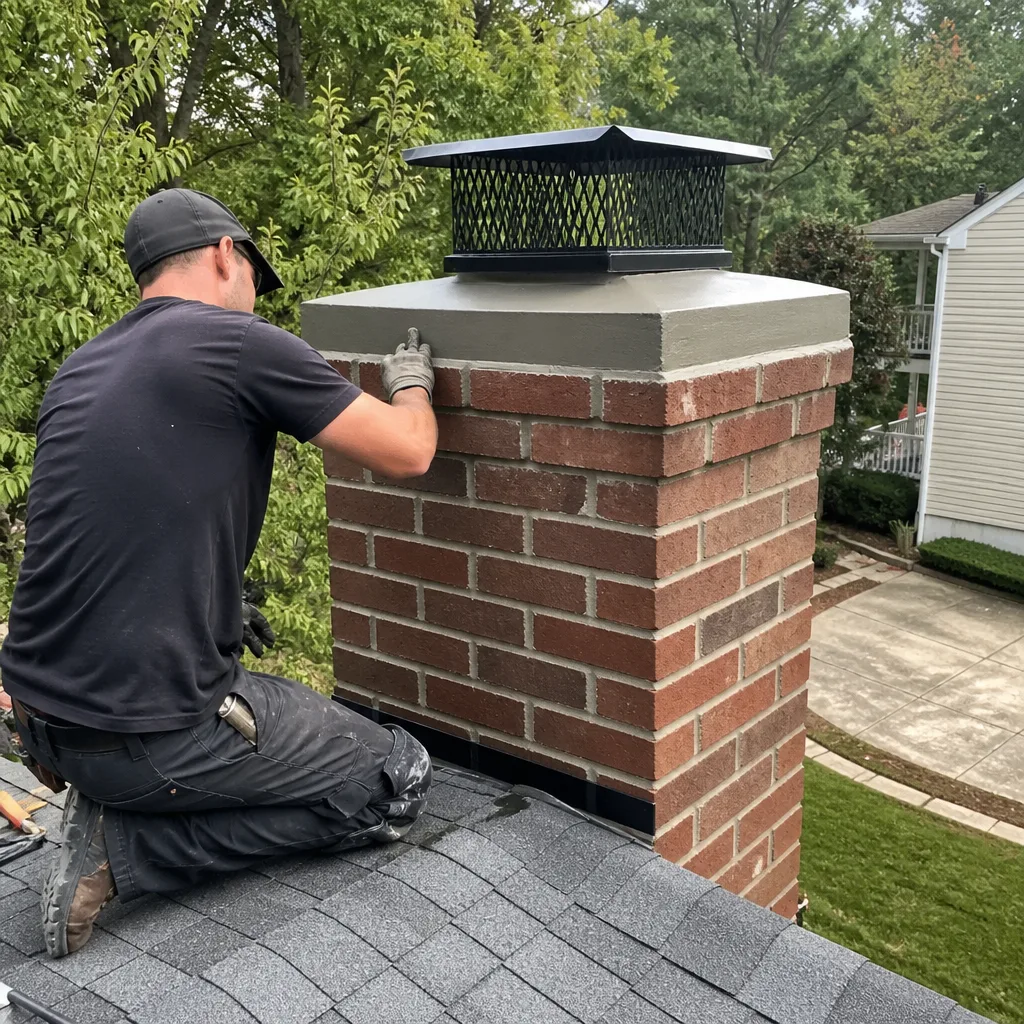
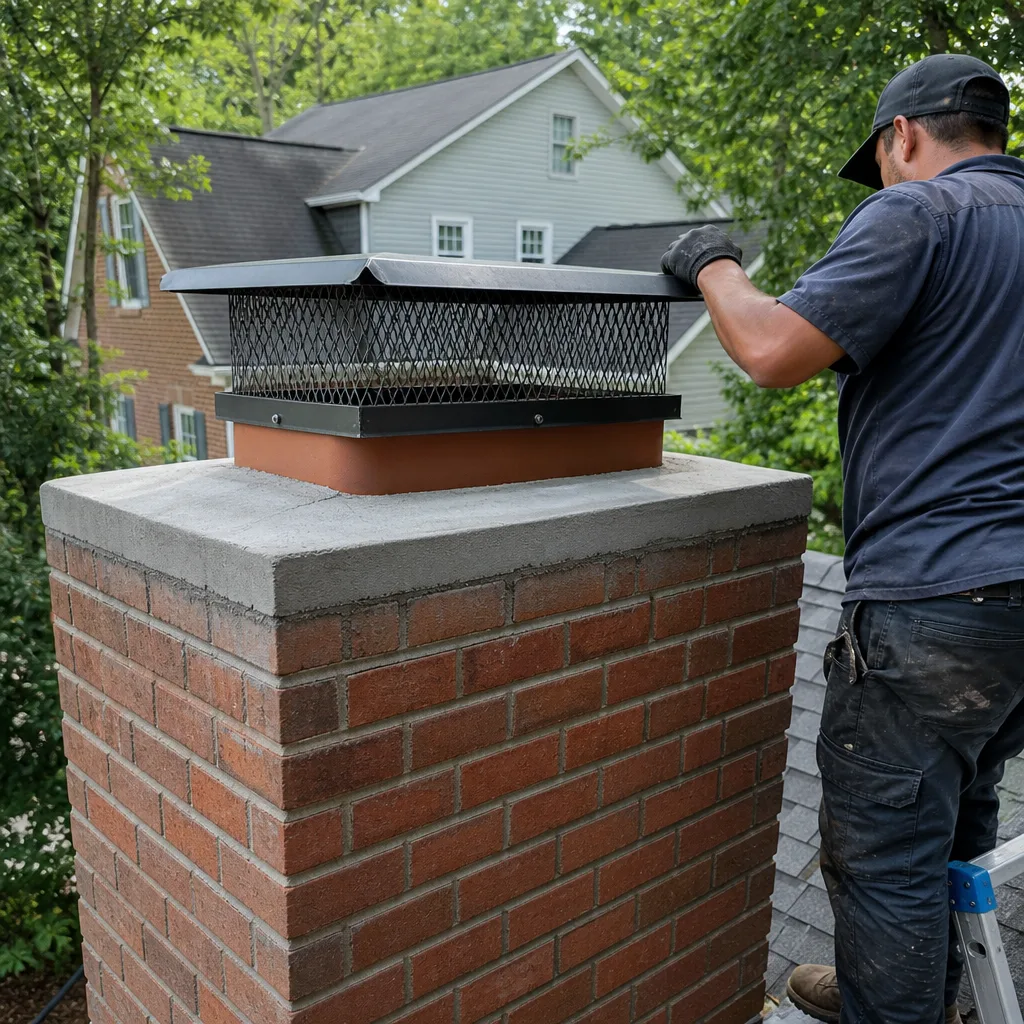
The flue is one component. A professional also checks the chimney cap, crown, flashing, damper, smoke shelf, and firebox. A cracked crown lets water in, and water plus creosote equals an acid that eats mortar. A missing cap invites animals, and a raccoon in a flue is a real thing we see in Marietta neighborhoods with mature tree canopies. A sticky damper affects draft every time you burn. These components are part of the system, and a kit addresses none of them.
4. Documentation
A professional sweep produces a written record of condition before and after. This matters for insurance claims, for home sale disclosures in Georgia, and for your own reference next year. When you sell a home in Cobb County, you’ll be asked about known defects. A documented professional inspection history is a defensible record. A memory of “I cleaned it with a kit a few years ago” is not.
How to Assess Your Own Creosote Stage Before Deciding
You can do a basic creosote assessment yourself with a flashlight, a fireplace poker, and ten minutes. This will tell you whether you’re even in the conversation for DIY. Here’s the step-by-step, done safely from the ground level.
- Protect the area: Close the damper if possible, or cover the firebox opening with a damp sheet secured at the top. This limits soot migration into the room when you probe.
- Shine a bright flashlight up from the firebox: Look for the damper first. Above it, you’ll see the smoke shelf, then the flue liner. Note what you can and can’t see.
- Take the poker and gently scrape the flue wall you can reach: You’re not trying to clean it. You’re sampling the texture.
- Read what comes off:
- Light gray or brown powder, falls away easily: That’s Stage 1. This is the only creosote type that a DIY kit has any business touching.
- Shiny black flakes, feels granular but hard: That’s Stage 2. A brush won’t remove it. You need professional rotary cleaning or chemical treatment. Stop and call a professional.
- Thick, glossy coating, poker skids across it: That’s Stage 3. This is a fire hazard. Do not burn again until a professional has assessed it. Period.
If you can’t clearly see the flue, can’t reach the flue without contorting into the firebox, or the deposit type is unclear, that ambiguity is itself an answer. Call for a Chimney Inspection in Marietta and get a definitive read. The inspection cost is less than the cost of guessing wrong.
The Two Scenarios Where DIY Is a Reasonable Choice
We’re not here to tell you DIY is always wrong. It isn’t. There are two situations where cleaning your own chimney with a kit is a defensible, sensible decision.
Scenario 1: Verified Stage 1 Creosote, Annual Maintenance Pattern
You had a professional sweep and inspection within the past 12 months, and that report noted Stage 1 creosote buildup or minimal deposits. You burn primarily seasoned hardwoods, and you have fires maybe once or twice a week during fall and winter. Six months later, you shine the flashlight up, do the poker test, and confirm the buildup is still light and flaky. In this narrow case, a DIY kit can bridge the gap between professional cleanings. You’re not replacing the professional. You’re just maintaining between visits. Many Marietta homeowners do exactly this, and if your flue is straight with no offsets, you’ll get acceptable results.
Scenario 2: Straight Flue, Single-Story Home, Safe Roof Access, Low Burn Frequency
You live in a single-story ranch in East Cobb or Marietta proper. Your flue is straight up with no elbows or offsets. You can safely reach the chimney cap from the roof with proper fall protection. You burn fewer than a dozen fires per year, all with seasoned wood. Your creosote accumulation rate is genuinely low. In this scenario, the visibility problem is minimized because a straight flue on a one-story home can be seen top to bottom with a flashlight. Your risk is lower than average. DIY remains reasonable, provided you also visually inspect the cap, crown, and flashing while you’re up there, and you keep a record of what you saw.
Both scenarios share two preconditions: verified low-stage creosote and recent professional baseline. If either precondition is missing, you’re in the scenarios below.
The Three Scenarios Where DIY Creates More Risk Than It Eliminates
These are the situations where an $80 kit becomes a false economy. We see these patterns routinely in Marietta, and we’ll state them plainly.
Scenario 1: The Chimney Hasn’t Seen a Professional in Over Two Years
Two seasons of burning, in a humid Georgia climate with temperature swings from the 90s to below freezing, is enough for creosote to stage up and for water intrusion to begin working on masonry and liner. You don’t know what’s in that flue because nobody has looked. Cleaning it with a brush without knowing gives you the feeling of maintenance without the substance. Worse, you might dislodge a partial obstruction and think you’ve resolved it, when in reality it’s now sitting differently in the flue. A professional camera inspection before any cleaning is the only way to establish baseline. After two-plus years, that step isn’t optional. It’s the whole point.
Scenario 2: You See or Suspect Stage 2 or Stage 3 Creosote
If the poker test reveals shiny, hard, or glassy deposits, a brush won’t help you. You’ll spend an afternoon creating soot in your living room and the creosote stays put. Stage 2 and Stage 3 deposits are also the stages where chimney fire risk becomes statistically meaningful. A chimney fire in a home with unlined or compromised clay tile is a structure-threatening event, not a contained interior fire. This is exactly the point where Alcott Chimney Marietta tells homeowners the truth: some deposits can be removed with professional rotary equipment and chemical treatments, and some liners need replacement. We’ll show you the camera footage to prove which one applies to your chimney.
Scenario 3: Drafting Problems, Smoke Backs Up, or You Smell Smoke When Not Burning
A chimney that doesn’t draft correctly is a system problem, not a cleanliness problem, though the two interact. Draft issues in Marietta homes can stem from flue height relative to the roofline, nearby two-story additions, heavy canopy coverage, insufficient air supply in tightly sealed newer homes, or a damper that doesn’t open fully. If air doesn’t move up the flue, combustion byproducts including carbon monoxide don’t leave the house. This is a genuinely dangerous condition, and cleaning the flue with a kit will not diagnose or fix it. A professional needs to evaluate the whole system. If you smell smoke on days when no fire has burned, that’s not a cleaning issue. That’s a draft and pressure issue. It needs a professional assessment, not a brush.
The Hidden Costs of DIY That Aren’t in the Kit Price
When Marietta homeowners compare an $80 kit to a $179 to $329 professional sweep, the math looks simple. It isn’t. Here are the costs the kit price doesn’t include.
Time and Physical Toll
A competent DIY sweep takes four to six hours for a first-timer, including setup, roof access, brush work from top and bottom, reassembly, and cleanup. That’s a full weekend afternoon, often spent in conditions that are either cold, wet, or both, depending on when Marietta’s weather cooperates. Your time has value. If you bill $50 an hour, your DIY sweep just cost $200 to $300 in labor alone. That’s not a reason to never DIY, but it does change the math.
Mess Containment
Chimney sweeping creates fine, airborne soot. Without commercial-grade vacuum systems designed for fine particulate capture, that soot finds its way onto curtains, carpets, and upholstery. Professional sweeps in Marietta use high-filtration vacuums designed specifically for chimney soot. A shop vac with a standard filter doesn’t do it. The soot is fine enough to pass through and recirculate. Cleaning your living room after a DIY sweep can take as long as the sweep itself, and that’s before you think about the fireplace itself.
Disposal
Two to five gallons of creosote-laden soot is what a typical cleaning produces. It’s not hazardous waste in the formal regulatory sense, but creosote is carcinogenic, and you don’t want it in your regular garbage where it can become airborne. Professionals handle disposal as part of the service. DIY means you’re figuring out how to bag, seal, and transport fine soot without breathing it or spilling it in your car. It’s a real chore that nobody talks about in the big-box store aisle.
The Inspection Step Most Homeowners Skip
This is the biggest hidden cost. After a DIY cleaning, most homeowners feel the job is done. But cleaning is only half the professional service. The inspection, which is included in every professional sweep we do at Alcott Chimney Marietta, is where cracks, gaps, water damage, and draft problems are identified. Skip the inspection, and you’re maintaining a clean surface on a system that might have a structural problem you can’t see. Clean on top of a problem isn’t safe. It’s just neat. That’s a distinction every Marietta homeowner should hold onto.
Liability, Insurance, and Home Sale Disclosures in Georgia
There’s a structural difference between DIY and professional cleaning that has nothing to do with brush quality. It’s about documentation and accountability.
Insurance Claims
If a chimney fire damages your Marietta home, your insurer will investigate. They’ll want to know when the chimney was last cleaned and inspected, by whom, and with what documentation. A professional sweep produces a written report showing condition at the time of service. That report is evidence of reasonable maintenance. A homeowner’s recollection of “I cleaned it myself” is not evidence. It’s a gap in your maintenance record, and insurers know how to use gaps. This doesn’t mean DIY voids coverage, but it makes the claim harder and the settlement potentially lower. That’s a risk calculation worth making deliberately.
Home Sale Disclosures in Georgia
Georgia law requires sellers to disclose known material defects on the Seller’s Property Disclosure Statement. A chimney with a cracked liner, water-damaged masonry, or a history of drafting problems is a known defect if you know about it or should have. A professional inspection record gives you a defensible position about what you knew and when. A DIY-only maintenance history leaves you with less documentation and potentially more exposure. When you sell a home in Marietta, buyers’ inspectors will look at the chimney. Records matter.
What Professional Liability Transfers to You
When a licensed professional cleans and inspects your chimney, you get something a DIY job structurally cannot produce: a documented chain of responsibility. If the professional misses something, their liability coverage exists for exactly that reason. At Alcott Chimney Marietta, we back every repair with a written guarantee, and if the repair fails within the coverage period, the second visit is free. That’s the 365-Day Done Right Promise, and it’s a full year of accountability on every completed job. A DIY job has no second visit. If it wasn’t done right, you’re the one doing it again on your own time, and the materials are on you.
Straight-Line Cost Comparison: DIY vs Professional in Marietta
Let’s put real numbers on it. Here’s what each path actually costs in Marietta, before any repairs either path uncovers.
DIY Path: First Year
- Chimney cleaning kit with brush and rods: $80
- Drop cloths, gloves, safety glasses, dust masks: $25
- Your time at $50/hr for 5 hours: $250
- Post-cleanup time and materials: $50
- Total first-year DIY cost: $405
DIY Path: Repeat Years
- Replacement brush head or rods (they wear): $40
- Your time at $50/hr for 3 hours: $150
- Total repeat-year DIY cost: $190
Professional Path: Every Year
- Standard sweep with inspection included: $179 to $329 depending on flue size, height, and accessibility
- Time commitment from you: 60 to 90 minutes of waiting while the work is done
- Documentation, disposal, mess containment, and inspection: included
First-year math favors professional. Repeat-year math gets closer, and if you’re in the narrow scenario where DIY makes sense, the savings are real. The deciding factor isn’t the money. It’s the inspection. A professional sweep includes the camera inspection and documentation that a DIY cleaning structurally cannot provide, and that inspection is where the actual safety value lives. In our experience serving Marietta since 2002, the homeowners who see the clearest value are the ones who understand this distinction. The sweep keeps the chimney clean. The inspection keeps the house safe.
Common Mistakes to Avoid
- Assuming the flue is clean because the firebox looks clean. The firebox is the bottom of the system. The creosote that matters builds in the middle and upper flue, where you can’t see from the floor. A clean firebox tells you almost nothing about flue condition.
- Using a wire brush on a stainless steel liner. Wire brushes can scratch stainless liners, creating micro-abrasions that actually accelerate creosote adhesion. The right brush material depends on the liner material. Poly brushes for stainless, wire for clay. Getting this wrong makes next year’s buildup worse, not better.
- Skipping the inspection after a DIY cleaning. This is the most common mistake, and it’s the one with the highest cost. A cleaned chimney with an undiagnosed crack is not safer. It’s just cleaner. If you DIY the sweep, still get a professional inspection every other year at minimum.
- Not checking the cap and crown while you’re up there. Many Marietta DIYers focus entirely on the flue and miss a cracked crown or missing cap. Water intrusion through a failed crown is how flue systems deteriorate in our humid climate, where freeze-thaw cycles work on masonry every winter.
- Using creosote sweeping logs as a substitute for cleaning. Creosote sweeping logs can loosen Stage 1 deposits and make them easier to remove, but they don’t remove creosote. They’re a supplement to brushing, not a replacement. If you use one, you still need to brush.
- Cleaning a chimney with known drafting problems. If smoke backs up into the room on windy days, the problem is likely draft, not buildup. A brush doesn’t fix draft. You need a professional diagnosis of flue height, cap, damper, and air supply. Cleaning first just delays the real fix.
- Burning unseasoned wood after cleaning, which restarts the cycle quickly. Green wood produces more smoke, lower burn temperatures, and faster creosote accumulation. If you’re going to the trouble of cleaning, burn wood that’s been split and stacked for at least six months. In Marietta’s humidity, a year is better.
When to Call a Professional
Call a professional if your poker test shows anything other than light, flaky Stage 1 creosote. Call if your chimney hasn’t had a professional camera inspection in two or more years, regardless of how clean it looks. Call if you smell smoke when no fire is burning, if smoke backs into the room on windy days, if you hear animals in the flue, or if you see water stains on the ceiling near the chimney. Call if you’ve already bought the kit and realized partway through that the brush isn’t removing what’s on the liner. That happens more often than homeowners admit, and there’s no shame in it. Alcott Chimney Marietta offers free estimates in Marietta, and you’ll get a written price before any work starts. Call (229) 350-8952 and talk to a live person. If something smells like smoke at 11 p.m., someone answers. That’s how we’ve operated since 2002, and it’s not changing.
Frequently Asked Questions
A standard chimney sweep in Marietta typically runs $179 to $329 before any repairs, depending on flue height, liner type, accessibility, and creosote stage. The price includes the inspection, which is where the real safety value lives. At Alcott Chimney Marietta, you get a written price before any work starts, and the inspection is part of the sweep, not an add-on. Call (229) 350-8952 for a free estimate, and you’ll know the exact number before we arrive.
It is safe only when you have verified Stage 1 creosote, a straight flue with no offsets, safe roof access, and a professional inspection within the past year that established a clean baseline. Outside those conditions, DIY cleaning creates a false sense of safety and can leave you with a clean chimney that still has a hidden structural problem. The poker test described above is the quickest way to check your creosote stage before deciding.
The standard recommendation from the National Fire Protection Association is an annual inspection, with cleaning scheduled based on buildup. In practice, Marietta homeowners who burn one or two fires per week during fall and winter with seasoned wood usually need a sweep every one to two years. If you burn more frequently, burn unseasoned wood, or notice a smoky smell when the fireplace isn’t in use, schedule sooner. The inspection is the non-negotiable part. The sweep follows from what the inspection shows.
Stage 1 is light, flaky soot that brushes off easily and poses low fire risk. Stage 2 is hardened, shiny, tar-like deposit that requires rotary cleaning or chemical treatment and represents a meaningful fire risk. Stage 3 is a thick, glassy glaze that has already experienced high-heat conditions and is a fire hazard by definition; it often requires liner replacement rather than cleaning. You can do a basic stage assessment with a flashlight and poker from the firebox floor, but a camera inspection gives a definitive read.
Most homeowners policies cover fire damage, including chimney fires, but your insurer will ask for maintenance records. A professional inspection report showing regular cleaning and inspection strengthens your claim significantly. A DIY-only history makes the claim harder because you can’t document what was done or when. This is one of the structural advantages of professional service: documentation that holds up when you need it. The written report you get with a professional sweep is evidence, and evidence matters.
Every repair we complete at Alcott Chimney Marietta comes with a written guarantee. If the repair fails within the coverage period, our team returns and makes it right at no charge. It’s a full year of accountability on every completed job, and it’s included at no extra cost. We also provide a written price before any work begins, so the number you’re quoted is the number you pay. If you have a gas fireplace issue, our Gas Fireplace Repair in Marietta service comes with the same written guarantee. You’ll never get a surprise charge from us, period.
The Bottom Line
The DIY chimney cleaning decision comes down to one thing: what you can verify. If you’ve verified Stage 1 creosote, have a straight flue, and maintain an annual professional inspection cycle, DIY is a reasonable way to save money between professional visits. If you can’t verify any of those things, the $80 kit is a false economy that buys you the feeling of maintenance without the substance. In Marietta, a professional sweep costs $179 to $329 and includes the camera inspection, documentation, and accountability that a kit structurally cannot provide. When in doubt, call (229) 350-8952 and talk to a live person who can help you figure out what you actually need, or browse more guides & resources on chimney care. You’ll get a straight answer and a written price before anyone touches your chimney. That’s how Alcott Chimney Marietta has operated since 2002, and it’s the standard every homeowner should expect.
Written by Ruben Castellano, Owner at Alcott Chimney Marietta, serving Marietta since 2002.
See the difference
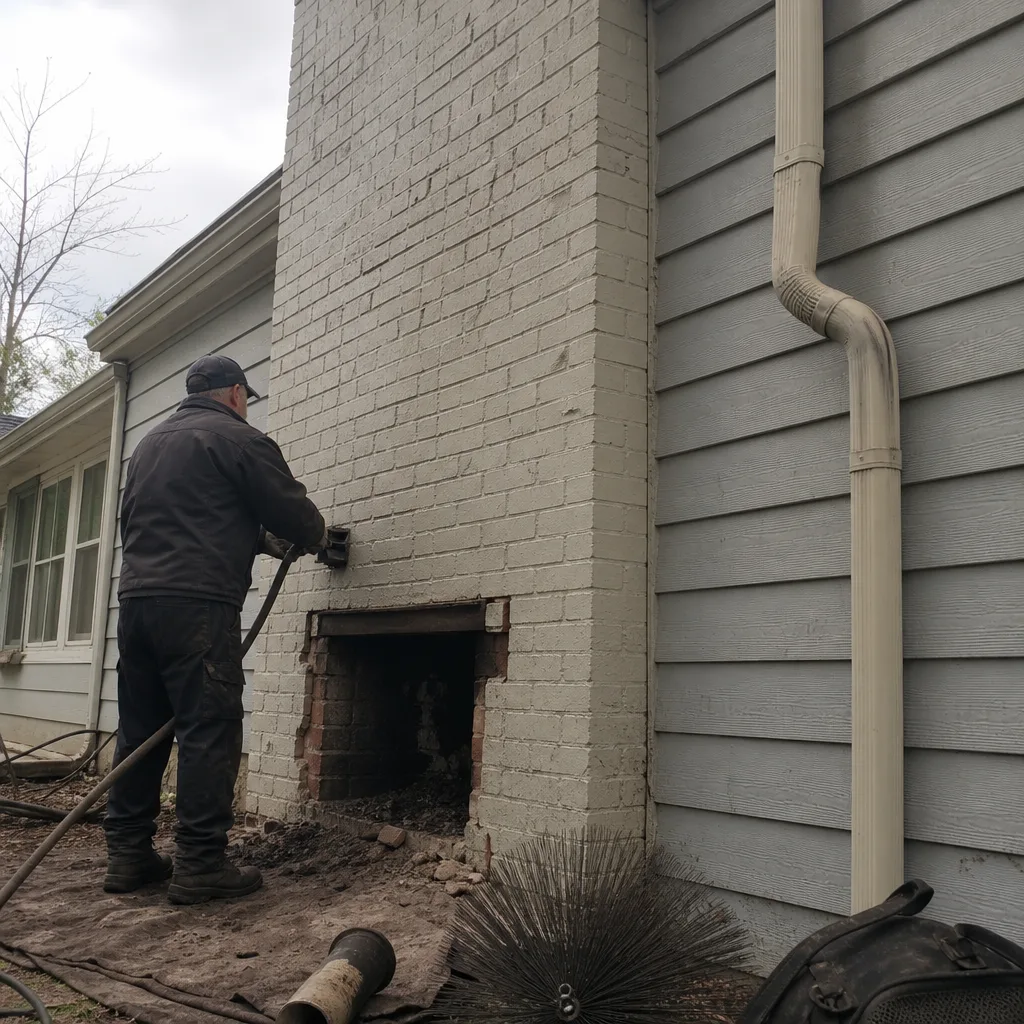 Before
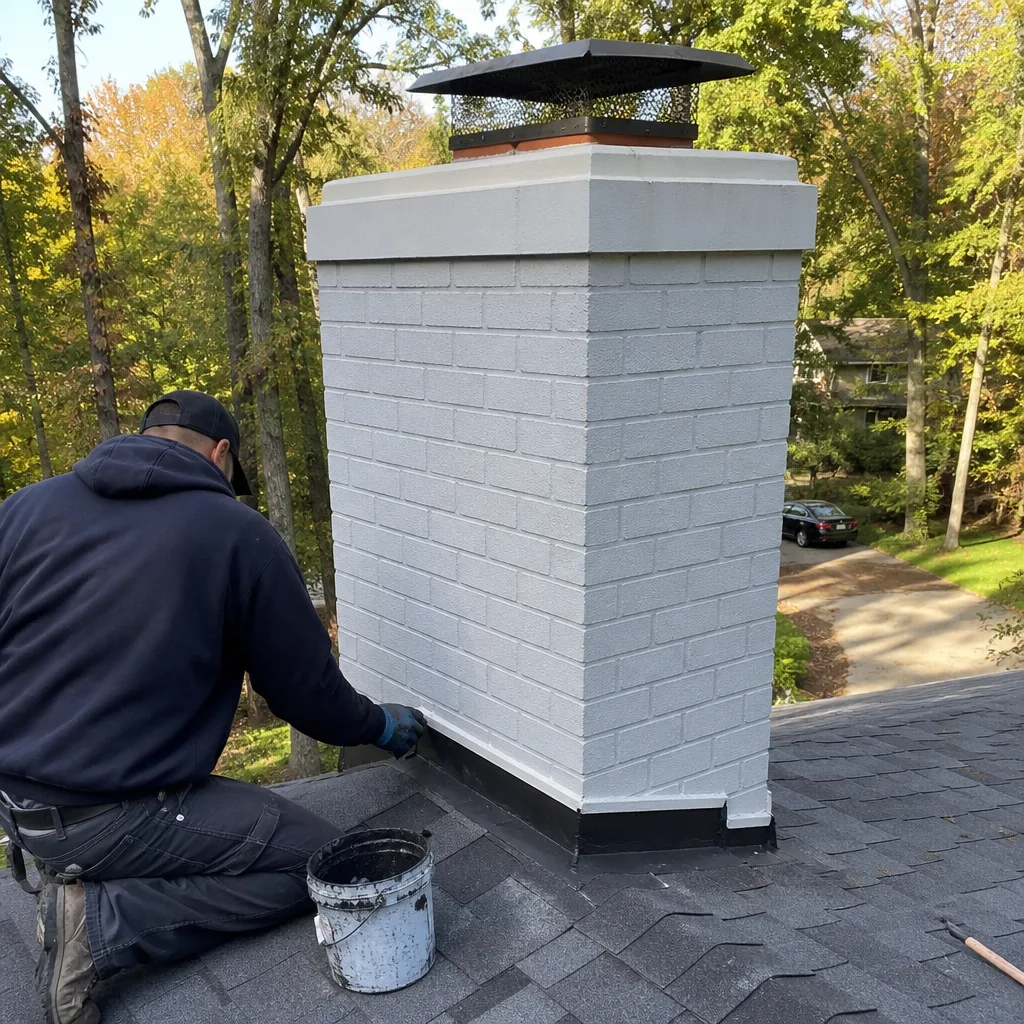 After
After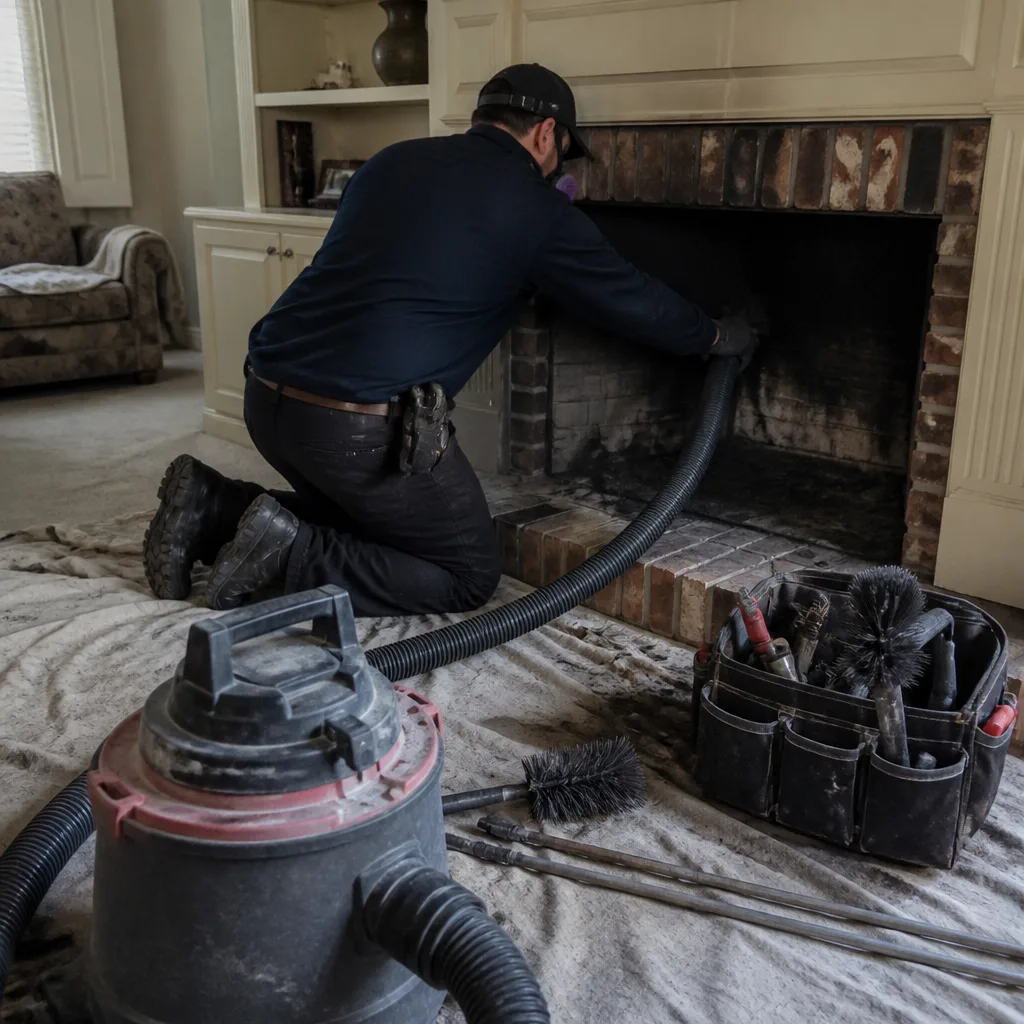 Before
 After
After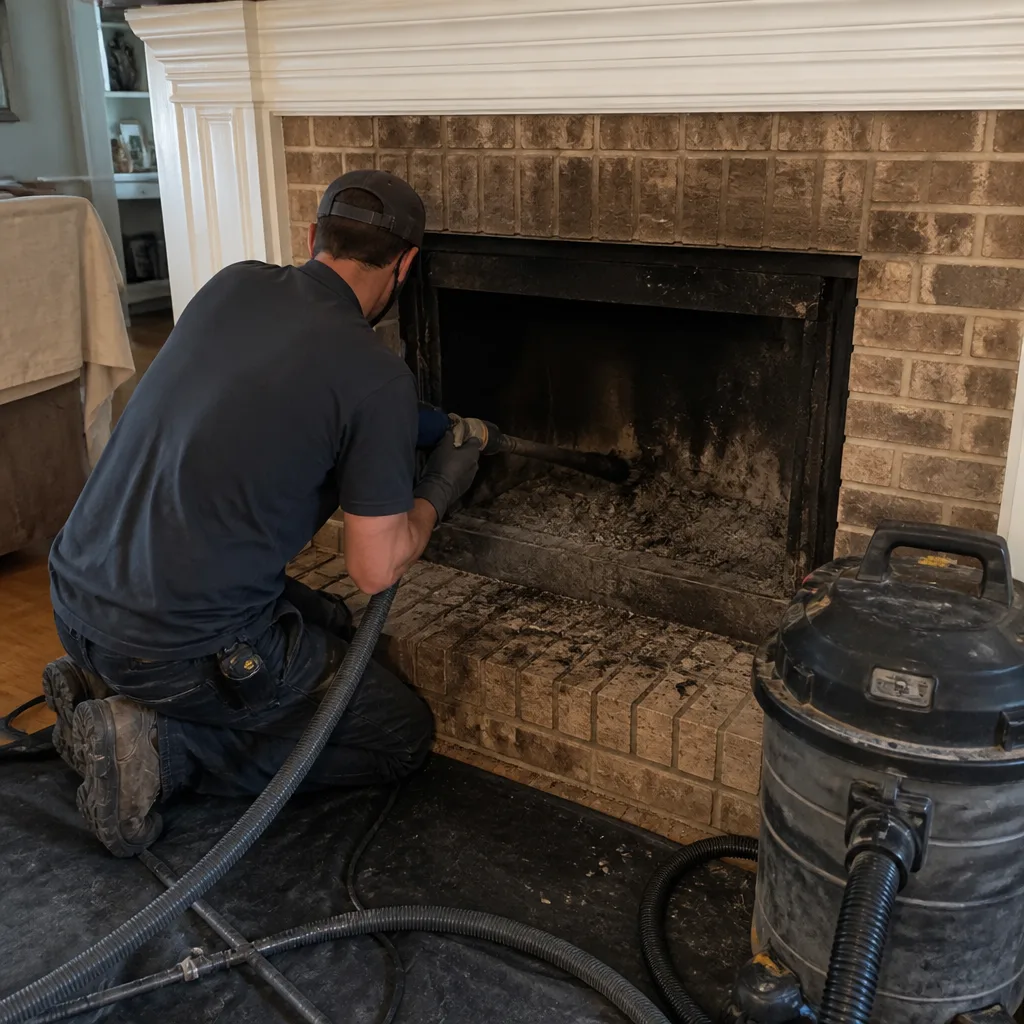 Before
 After
After