
Last updated October 15, 2026
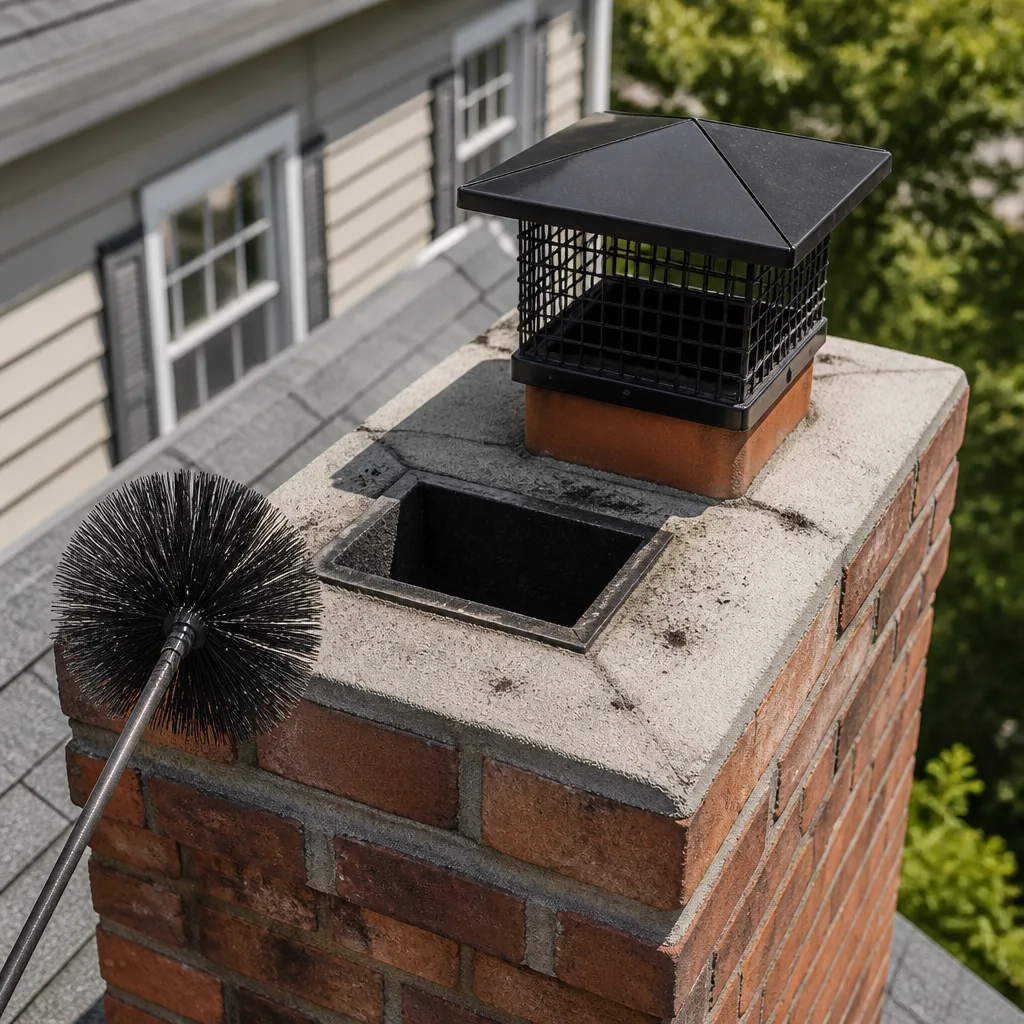 Sweep & inspection
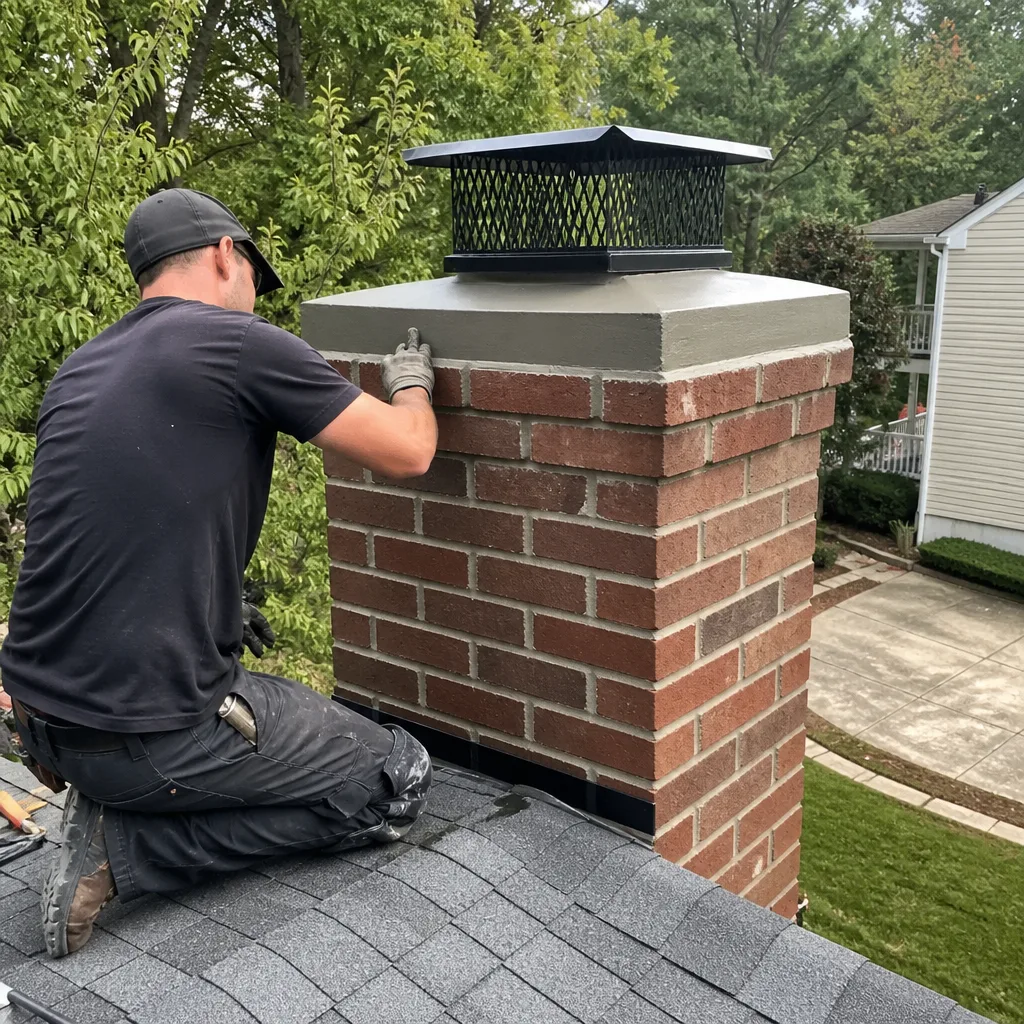
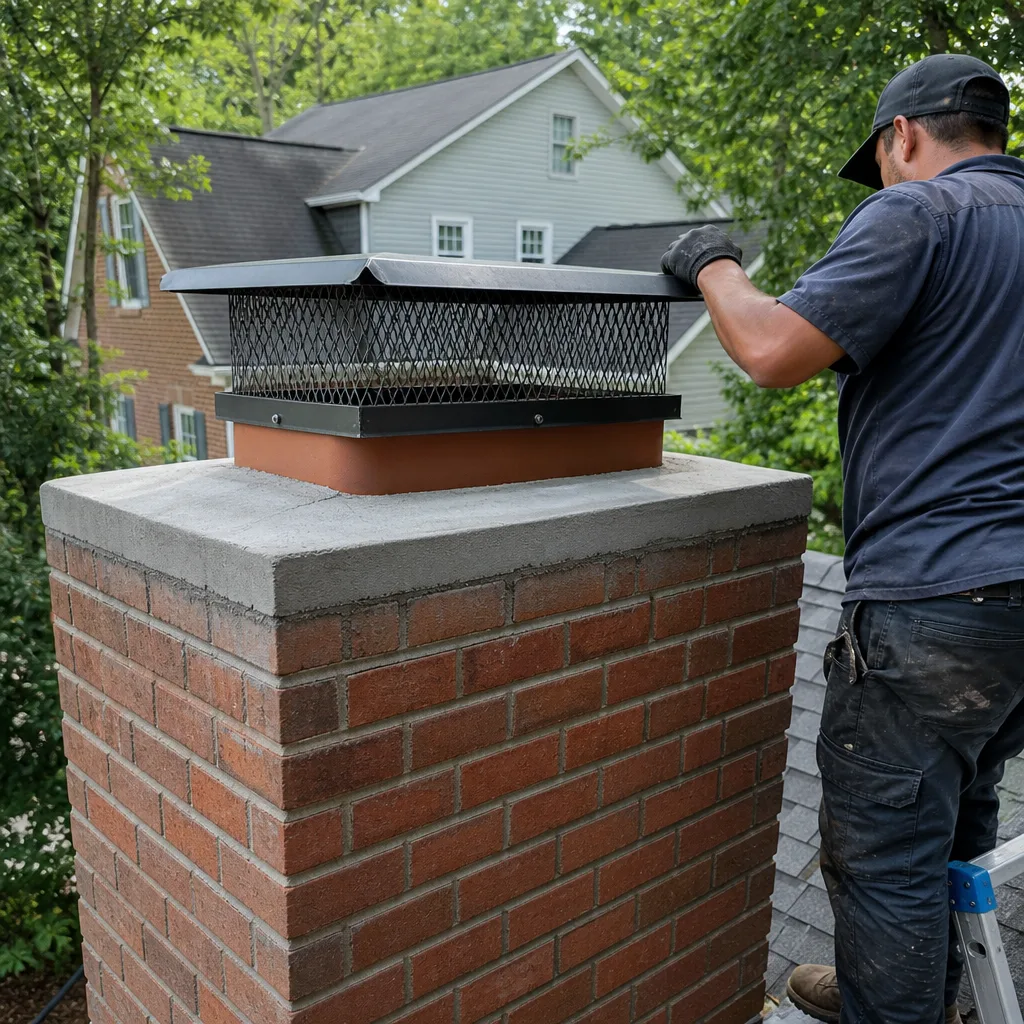
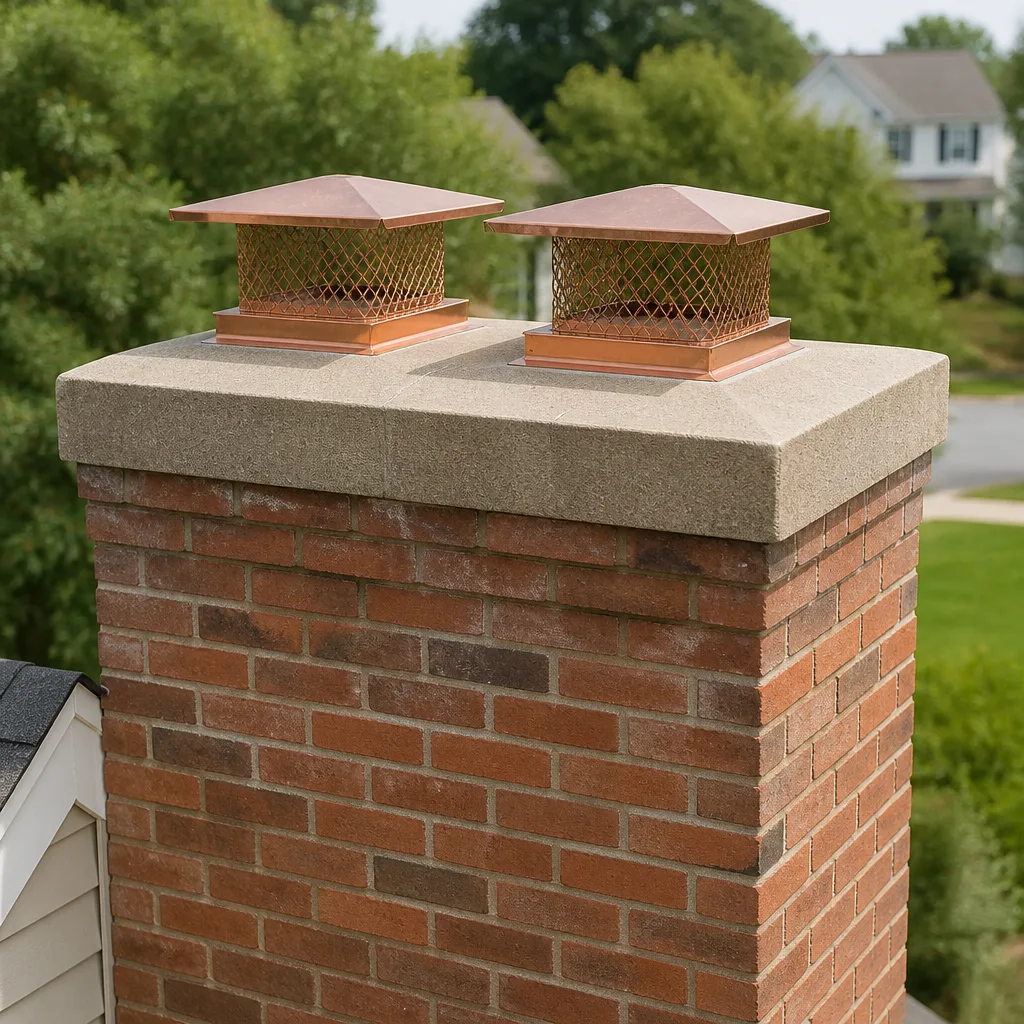 Caps & crowns
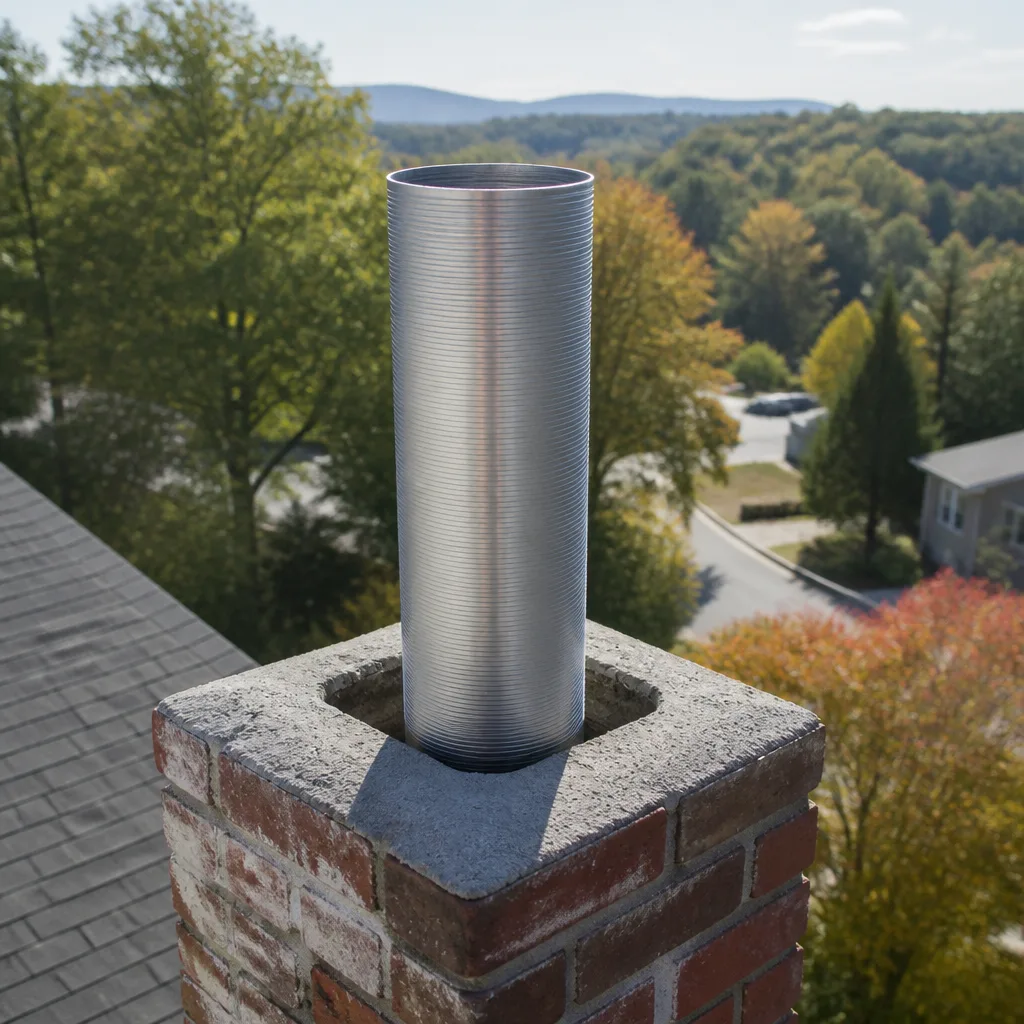 Flue relining
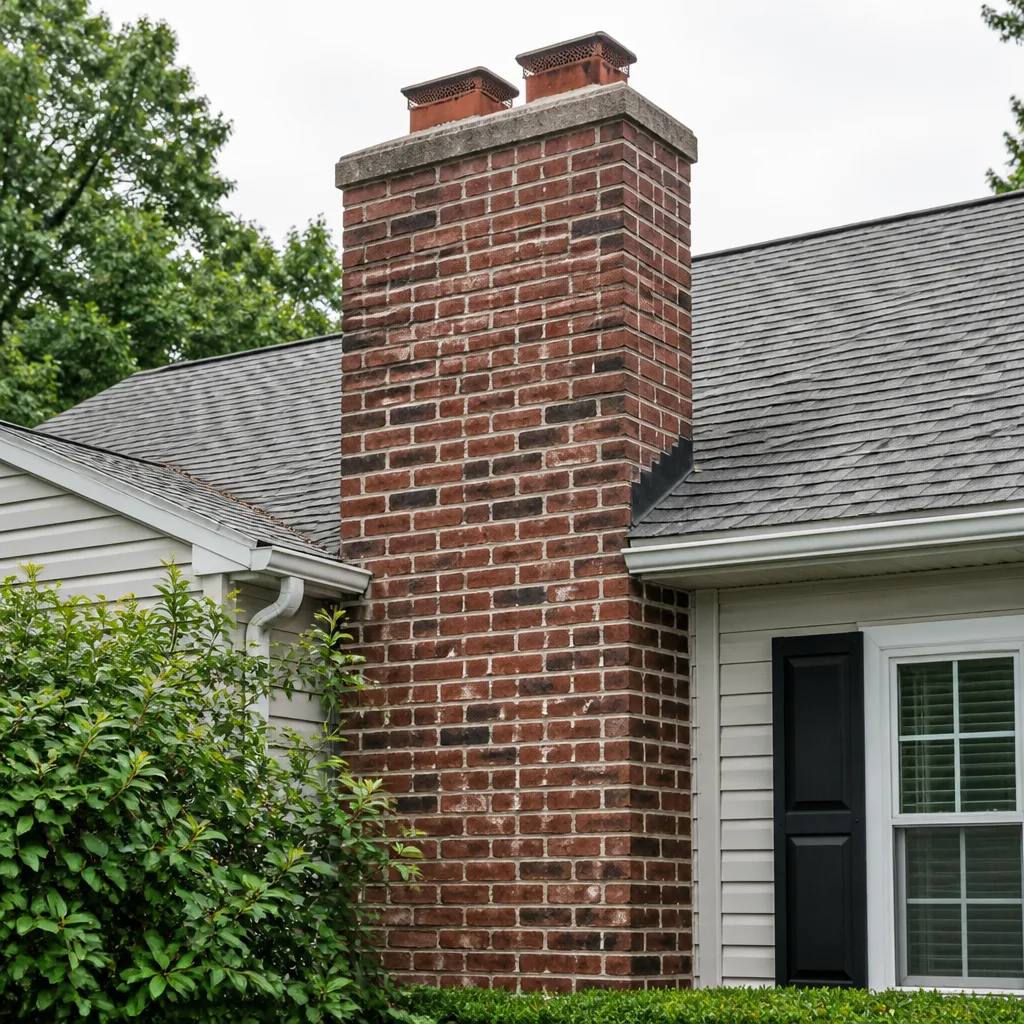 Masonry repair
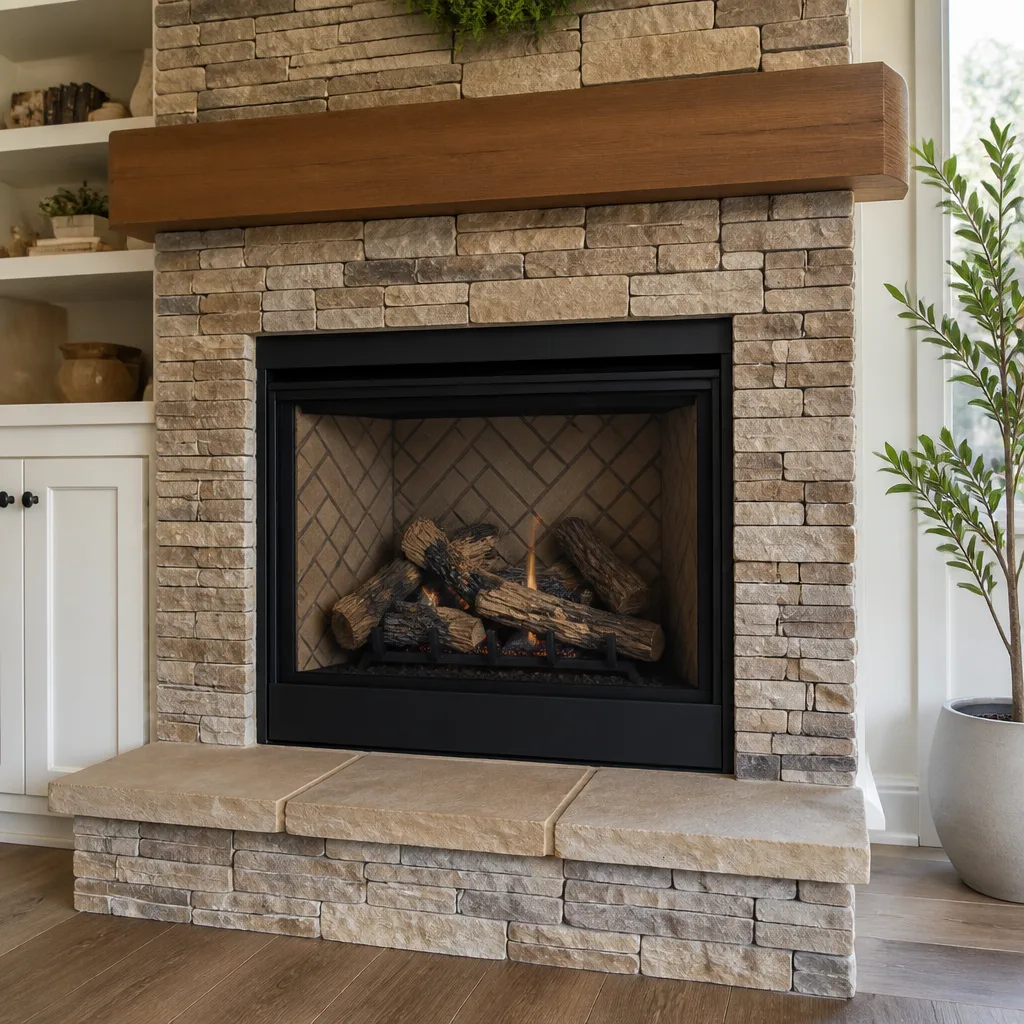 Gas fireplace service
Level 1 sweep and inspection to the NFPA 211 annual standard - flue, crown, cap, and flashing checked and photographed
Chimney sweep logs do not sweep chimneys. They loosen some creosote - which then falls where a brush and vacuum still have to collect it.
Chimney Cleaning Warning Signs: A Marietta Homeowner’s Reference Guide
That white chalky staining on the outside of your chimney isn’t a cosmetic problem. It’s your flue telling you water is moving through your masonry right now, and it started months before the stain ever appeared. Most Marietta homeowners don’t catch chimney trouble until smoke backs up into the living room or a brick pops loose in the yard. This guide is about catching the quiet signals instead, the ones that show up six to eighteen months before a chimney becomes dangerous, while the fix is still measured in hundreds of dollars instead of thousands. For a deeper dive, see our Complete Guide to Chimney Cleaning in Marietta.
Styles & brands we work with
Quick Answer
The earliest warning signs of chimney trouble in Marietta are white mineral staining on exterior brick (efflorescence), a fireplace that smells different than it used to, mortar that’s turning sandy or flaking, a damper that drags when you open it, and unusual sounds like popping or ticking from the flue during or after a fire. Any one of these is worth a professional look. Two or more together usually mean water is already inside the system and a repair window is closing.
Table of Contents
- Efflorescence: The White Staining That Predicts Expensive Repairs
- The Odor Guide: Three Fireplace Smells and What Each One Means
- Spalling Brick: How to Tell Stage 1 From Stage 3
- Fireplace Sounds: Two Noises That Are Normal, Two That Are Not
- Why a Sticking Damper Matters More in Marietta Than It Does Elsewhere
- Creosote Buildup: The Warning Sign You Can’t Always See
- Water Entry Signs Beyond Efflorescence: What Else to Check
- A Simple Marietta Chimney Maintenance Schedule
- Common Mistakes to Avoid
- When to Call a Professional
- Frequently Asked Questions
- The Bottom Line
Efflorescence: The White Staining That Predicts Expensive Repairs
Efflorescence is a word most homeowners first hear from an inspector, usually right after being shown a repair estimate. The term describes the white, chalky mineral deposits that appear on brick and mortar when water moves through masonry and evaporates on the surface, leaving dissolved salts behind. In Marietta’s climate, where late-winter rain saturates brick and summer heat bakes it dry, that cycle happens more aggressively than in drier parts of the country.
Here’s what the staining is actually telling you. Water is not sitting on the surface of your chimney. It is moving through the brick, through the mortar joints, and often through the flue system itself. The white residue is evidence of that migration. By the time you can see it from the ground, the water has been traveling through your chimney for at least one full wet season, sometimes two.
What this means for repair timing matters. Efflorescence alone, caught early, typically means you’re looking at repointing mortar joints or installing a proper cap, work that in Marietta generally runs $400 to $1,200 depending on chimney height and how much of the masonry is affected. Left untreated for another year or two, the same water movement causes bricks to spall (we’ll get to that below), and repair costs climb into the several-thousand-dollar range because you’re now replacing structural masonry, not just sealing it.
We’ve seen this pattern in homes all over Marietta, from older ranches near the Square to newer construction in East Cobb where chimneys were built quickly and moisture barriers were skipped. The stain is never the problem itself. The stain is the smoke alarm going off before there’s visible fire.
The Odor Guide: Three Fireplace Smells and What Each One Means
Your chimney should not smell. A properly functioning fireplace draws air upward and out, which means odors inside the firebox normally go with it. When you catch a smell coming from the fireplace instead of going up it, that’s information. Here are the three most common chimney odors Marietta homeowners report to us, and what each one points to.
The sulfur smell (rotten eggs or struck matches). This is the one to take most seriously. In a wood-burning fireplace, a sulfur odor often means animal waste is trapped somewhere in the flue, usually from birds, squirrels, or raccoons that nested during spring. It can also indicate a blocked flue that’s trapping combustion gases and pushing them back into the house. In a gas fireplace, a sulfur odor can indicate incomplete combustion or a venting problem. Either way, don’t burn another fire until this is checked. Carbon monoxide follows the same path as the smell you’re detecting.
The burning-asphalt or tar smell. This is creosote. Creosote is the tar-like residue that condenses on flue walls when wood smoke cools too quickly. It has a sharp, chemical smell that gets stronger as buildup thickens, and it’s most noticeable on humid days or when the house has been closed up. This odor means you have enough creosote built up that it’s off-gassing into the living space, which also means you have enough built up to be a chimney fire risk. In our experience serving Marietta, this smell is most common in homes that burn a lot of pine or unseasoned wood and haven’t been swept in two or more years.
The damp-basement or musty smell. This is water intrusion. The odor comes from moisture trapped inside masonry that can’t dry out, and it’s strongest in summer when Marietta’s humidity rises and the firebox becomes a cool, damp space. Musty odor typically accompanies other water-entry signs, so if you’re smelling it, go look at your exterior brick and your ceiling around the chimney chase. Chances are you’ll find things worth noting.
Spalling Brick: How to Tell Stage 1 From Stage 3
Spalling is the term for brick that’s losing its surface because water inside the masonry freezes, expands, and pops the outer layer off. In Marietta, we don’t get deep freezes often, but we do get exactly the wrong kind: nighttime temperatures that dip just below freezing after a rainy day, which is the precise condition that causes the most spalling damage. It’s also common in brick that was never properly treated for moisture exposure.
Here’s how to identify what stage you’re looking at.
Stage 1: Surface flaking. The brick face begins to peel in thin layers, like a sunburn. You’ll see small patches where the brick’s smooth outer skin has flaked away, exposing a rougher, lighter-colored surface underneath. There may be small piles of brick dust on the ground at the chimney base after storms. This is the stage where repair is cheapest. The brick itself is usually still sound, and the fix typically involves sealing the masonry and addressing the moisture source. A chimney professional in Marietta can often resolve Stage 1 spalling for a few hundred dollars per affected area.
Stage 2: Visible cracking and missing faces. Chunks of brick, roughly the size of a quarter to a half-dollar, have fallen off. You can see into the brick’s interior. The structural integrity is now compromised because each missing face exposes more interior surface to water, which accelerates the cycle. This is no longer a sealant-and-done situation.
Stage 3: Structural loss. Whole bricks are loose, missing, or pushed out of plane. You can pull a brick out by hand, or you can see daylight through gaps in the masonry from inside. At this stage the chimney may not safely support its own weight, much less vent a fire. Repairs can run $2,000 to $8,000 or more depending on how high the damage extends, and in the worst cases a partial rebuild is the only safe option.
The takeaway is simple. If you look at your chimney and think “those bricks look a little worn,” you’re looking at Stage 1. Call then. Six months of Marietta weather is all it takes to move from Stage 1 to Stage 2.
Fireplace Sounds: Two Noises That Are Normal, Two That Are Not
Fireplaces make noise, and most of it is harmless. But two specific sounds are worth learning to distinguish from the rest, because they indicate problems that, in our experience in Marietta, tend to get ignored until they turn into something worse.
Normal: A low, steady rumble. This is just air moving through the flue as the fire draws. It’s more pronounced on windy days or when the damper is fully open. Different chimney designs rumble at different pitches. Nothing to worry about.
Normal: Crackling and snapping from the wood itself. That’s moisture pockets in the wood vaporizing. It’s a sign your wood could be drier, not that your chimney has a problem.
Not normal: Popping or pinging from inside the flue walls. If the pops sound sharp and metallic, or they’re coming from above the firebox rather than from the logs themselves, you’re likely hearing thermal expansion in an aging flue liner. Clay tile liners, common in Marietta homes built before the 1980s, develop hairline cracks over years of heating and cooling cycles. When hot gases hit those cracks, the liner shifts microscopically and makes a pinging sound. Left alone, cracked liners are the most common cause of chimney fires reaching the house framing. If you hear this, the Chimney Inspection in Marietta page explains what a professional evaluation involves.
Not normal: A sudden whooshing sound, like a gust of wind inside the chimney even when the damper is closed. This usually indicates a partial blockage or a damper that’s not seating properly, which lets outside air rush into the house. It can also signal a failing chimney cap that’s letting wind into the flue. Either way, it means the chimney isn’t sealed the way it should be.
Why a Sticking Damper Matters More in Marietta Than It Does Elsewhere
A damper that drags a little when you open or close it is easy to dismiss as normal wear. In a dry climate, that might be true. In Marietta, it’s a warning sign, and here’s why.
Marietta’s humidity averages above 70% for most of the summer. That moisture works its way into every metal component in your firebox that’s exposed to outside air, and the damper is the component that sits right at that boundary. When a damper starts sticking, it’s almost always because rust and corrosion are building up on the hinge points and the frame. That corrosion is direct evidence that moisture is entering the firebox, and the same moisture is doing the same thing to other metal components you can’t see as easily.
What does a sticking damper typically precede? A damper that won’t fully close. And a damper that won’t fully close means warm air from your house is being pulled up the chimney all summer while humid outside air seeps back down into the firebox. That’s how you get musty fireplace smells, mold growth in the firebox, rust on your gas log set, and accelerated creosote corrosion on the flue walls. We’ve seen homes in Marietta where a “slightly sticky” damper was the first sign of a rusted-out chimney cap and a saturated flue system that took a full liner replacement to fix.
If your damper isn’t moving smoothly, pay attention to it. It’s one of the cheapest fixes in the entire chimney system if caught early, and one of the most expensive chains of damage if ignored.
Creosote Buildup: The Warning Sign You Can’t Always See
Creosote is the single biggest chimney fire cause in the United States, and the frustrating part is that Marietta homeowners often can’t see the buildup happening. It forms on the upper flue walls first, where smoke cools fastest, not in the firebox where you can inspect it by looking up from the hearth.
Here’s how it forms. Wood smoke contains tar, soot, and unburned particles. When that smoke hits the cooler walls of the flue, those substances condense into a sticky residue. Burn a fire the next day, and the residue bakes into a harder, more flammable layer. Repeat this for a season or two, and you have thick, glossy creosote deposits that ignite at high temperatures. A creosote fire burns inside your chimney at temperatures that can exceed 2,000 degrees, which is more than enough to crack clay liners and let fire reach the wood framing of your home.
Signs you may have heavy creosote buildup include:
- Black, shiny deposits visible when you shine a flashlight up from the firebox
- The burning-asphalt smell described in the odor section above
- A fire that smokes more than it used to, even when the damper is fully open
- Flakes of black material falling into the firebox after you close the damper
- Burning more than a cord of wood per season with only one sweep per year
Marietta’s wood supply matters here too. A lot of local firewood is sold as “seasoned” but hasn’t actually dried for the six to twelve months it takes to reach the right moisture content. Wet wood produces dramatically more creosote than properly seasoned wood, even in a well-maintained chimney. If you’re buying wood from a roadside seller and burning it within a few weeks, you’re likely creating creosote faster than you think.
The standard recommendation is an annual sweep for any chimney that sees regular use. A Chimney Sweep in Marietta typically runs $180 to $340 in the local market, and it’s the cheapest insurance against the most expensive chimney problem there is.
Water Entry Signs Beyond Efflorescence: What Else to Check
Efflorescence is the earliest visible water signal, but it’s rarely the only one by the time a homeowner starts looking. Water that’s been entering a chimney for more than a season leaves several other traces, and knowing what to check makes the difference between catching a repair window and discovering a full-blown problem.
Dark staining or uneven color on interior walls or ceilings near the chimney. In homes with a framed chimney chase (the boxed-in structure that encloses a metal flue), water running down the outside of the flue pipe often shows up as brown or yellow stains on the drywall of the room below or adjacent to the chimney. In Marietta, this is especially common after the heavy spring rains we get in March and April.
Rusted metal components. Look at the damper handle, the screws on the firebox face, or the metal frame of your gas log set. Rust on any of these means moisture is entering the firebox regularly. Fireboxes are designed to get hot, not wet.
Mortar joints that look sandy or recessed. Run your hand over the mortar on your exterior chimney (if it’s safe to reach from the ground). If the mortar crumbles or grains come off on your hand, the joints are already failing. In Marietta’s freeze-thaw cycles, failed joints let water in and create pressure points that crack bricks.
A chimney cap that’s missing, rusted, or damaged. This is the most common entry point for water in homes we service across Marietta, and it’s also the easiest to verify yourself. If you can see daylight through the cap or it’s leaning to one side, water has been getting in.
Water pooling inside the firebox after a storm. This one needs no explanation. If you’re seeing standing water, the system has already been compromised. When we encounter this in Marietta, the fix usually involves more than a sweep: a new cap, repointing, or liner work depending on what the camera inspection shows.
A Simple Marietta Chimney Maintenance Schedule
Most chimney problems we encounter in Marietta follow a predictable arc: a small water entry point, a season or two of unnoticed moisture, expanding damage as temperatures swing, and then either visible damage or a performance problem that forces a call. Our Chimney Sweep Maintenance Checklist for Marietta Homeowners maps out exactly what to check and when. The schedule below is designed to interrupt that arc at the cheap end.
- Every year, before your first fall fire: Schedule a chimney sweep and basic visual inspection. In Marietta, September is the right time. You’ll beat the fall rush and get any issues addressed before burning season starts. Budget $180 to $340 for the sweep depending on your chimney’s height and condition.
- Every spring, after the last freeze: Do a simple exterior check. Look for new efflorescence, spalling, or mortar changes. Run your damper open and closed a few times and note whether it moves smoothly. Check the chimney cap from the ground with binoculars if needed.
- Every two to three years, or immediately if you notice any warning sign from this guide: Get a professional chimney inspection with a camera if your provider offers it. This is the step that catches what you can’t see from the ground, including creosote buildup in the upper flue, cracked liners, and hidden water damage inside the chase. Alcott Chimney Marietta includes camera footage with every inspection, so there’s no mystery about what was found.
- Anytime you burn more than one cord of wood in a season: Move your sweep schedule up. Heavy burners in Marietta often need a mid-season check, especially if the wood they’re burning isn’t fully seasoned.
Common Mistakes to Avoid
- Painting over efflorescence. Waterproofing paint or latex sealer traps moisture inside the masonry and accelerates spalling. The stain will reappear, and the brick will be worse for the treatment. Efflorescence has to be addressed at its moisture source, not covered up.
- Ignoring a sticking damper because “it still works.” By the time a damper seizes completely in Marietta’s humidity, the rust that caused it has usually spread to other components. A damper repair is a two-digit fix; a rusted-out flue is not.
- Burning unseasoned wood because it was cheap. Every wet log you burn adds creosote faster than a dry one. The savings on the wood gets spent, with interest, on a chimney sweep or worse.
- Assuming a gas fireplace doesn’t need maintenance because there’s no smoke. Gas fireplaces still produce corrosive byproducts, still need proper venting, and still fail in ways that put carbon monoxide into your home. Marietta’s older gas log setups are especially prone to venting issues.
- Waiting until you can see damage from the ground. If structural problems are visible from the curb, they’ve been developing for a while. The whole point of early warning signs is to act before this stage.
- Hiring a chimney company that won’t show you what they found. You should never be asked to approve a repair you can’t verify. Alcott Chimney Marietta provides camera footage and a written price before any work starts, so you’re deciding with evidence, not trusting a stranger’s word.
When to Call a Professional
Call a professional if you see efflorescence that’s new or spreading, if you smell sulfur or persistent burning-tar odors from your fireplace, if bricks are flaking or crumbling, if you hear popping from inside the flue walls during a fire, or if your damper no longer moves smoothly. Also call if it’s been more than a year since your last sweep and you use your fireplace regularly. These are the situations where waiting costs more than acting. If you’re uncertain whether what you’re seeing is a problem, Gas Fireplace Repair in Marietta starts with the same diagnostic approach as everything else we do: look first, explain plainly, and quote before we touch anything. Alcott Chimney Marietta offers free estimates in Marietta. Call (229) 350-8952 and a live person will answer, walk through what you’re seeing, and get you scheduled.
Frequently Asked Questions
A standard chimney sweep in Marietta typically runs $180 to $340 depending on chimney height, accessibility, and how much creosote has built up. That price includes the sweep itself and a visual check of the firebox, damper, and cap. If a professional is quoting significantly below this range, ask what the sweep includes, because flue access, drop cloths, and proper disposal of creosote debris are part of the job. For a precise quote on your chimney, call (229) 350-8952. Estimates are free.
White staining on chimney brick is efflorescence, a mineral deposit left behind when water migrates through masonry and evaporates on the surface. It means water is moving through your chimney, not just sitting on it. The stain is the visible sign of a moisture problem that’s been developing for months, and it’s the single most common early warning sign we see in Marietta homes.
Every year, even if you only burn occasionally. The National Fire Protection Association recommends an annual inspection for all chimneys, and a sweep whenever creosote buildup is significant. In Marietta’s humid climate, annual service also catches the water and rust issues that develop even in fireplaces that don’t get much use.
Liners get recommended for one of two reasons: cracks that create fire risk, or corrosion that creates carbon monoxide risk. You should never approve a liner replacement without seeing the evidence. A proper inspection includes camera footage of the flue interior, and you should be able to see the cracks or corrosion yourself. Liners aren’t cheap, but they’re also not something a reputable company recommends without proof. Alcott works with professional-grade liner systems like DuraFlex and HeatShield, and every recommendation comes with visuals.
Best case, you pay more for a sweep that now has to remove several seasons of hardened creosote. Worse cases include a chimney fire, smoke and carbon monoxide backing into the house, or water damage to the chimney structure that costs thousands to repair. In Marietta specifically, the freeze-thaw cycles and high humidity mean water problems escalate faster than they do in drier climates. The repair that would have been a few hundred dollars in year one is often a few thousand by year three.
Yes, and you should. Check for white staining, flaking brick, crumbling mortar, rusty components, and damper movement. What you can’t do from the ground is see the upper flue, the liner interior, or the cap condition in detail. Those require a professional inspection with proper equipment. A good rule of thumb: use this guide to decide when to call, and let a professional handle the parts you can’t safely see. For more guides & resources on keeping your chimney safe, visit our blog. Call (229) 350-8952 if you’ve spotted something worth a closer look.
The Bottom Line
The expensive chimney problems in Marietta don’t appear overnight. They send signals first: white staining, strange smells, sounds that don’t belong, dampers that drag, bricks that flake. Learn to read those signals, and you’ll catch most problems while the fix is still measured in hundreds of dollars rather than thousands. You don’t need to become a chimney expert. You just need to know what “not quite right” looks like, and to call when you see it. Alcott Chimney Marietta has been serving Marietta homeowners since 2002, and we built our whole service around showing you exactly what we find, quoting a fair price before work starts, and standing behind the result. For all things chimney, start with our Alcott Chimney Marietta home page or give us a call.
Written by Ruben Castellano, Owner at Alcott Chimney Marietta, serving Marietta since 2002.
See the difference
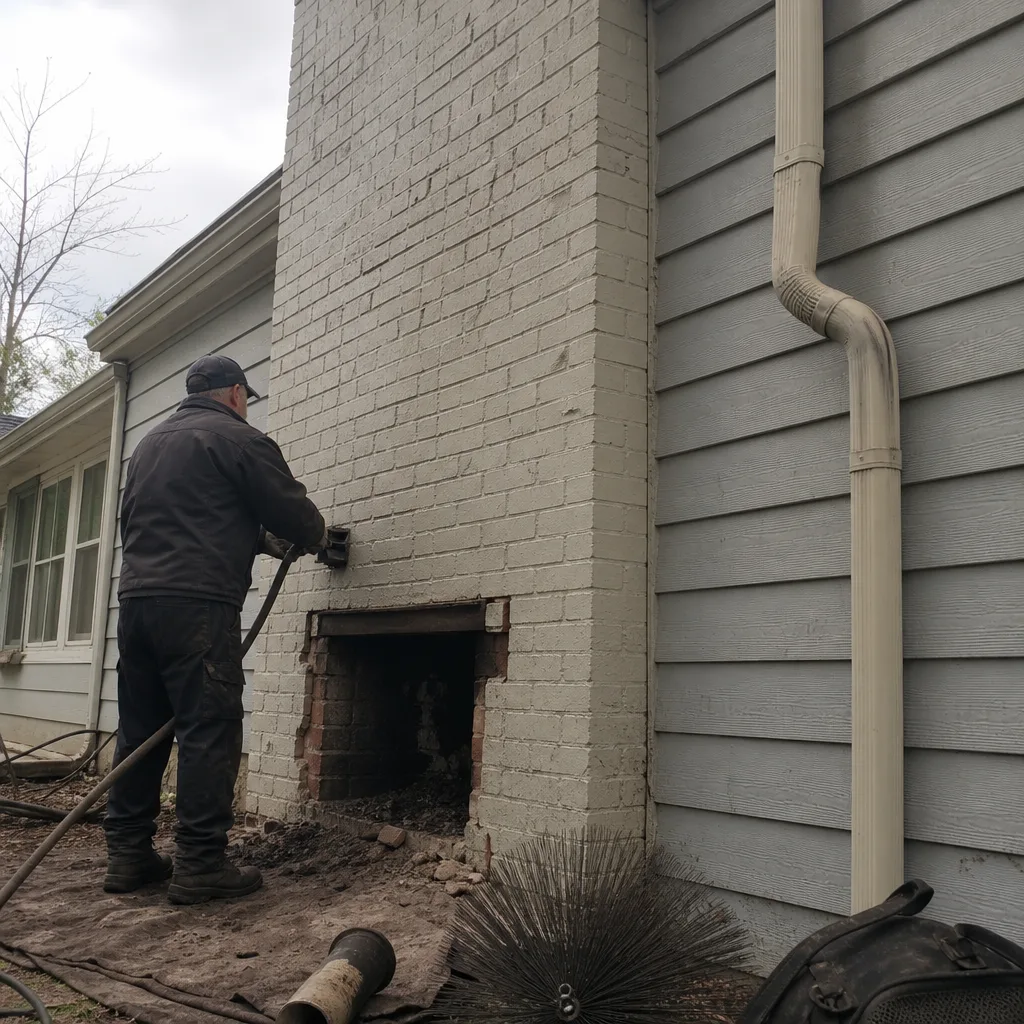 Before
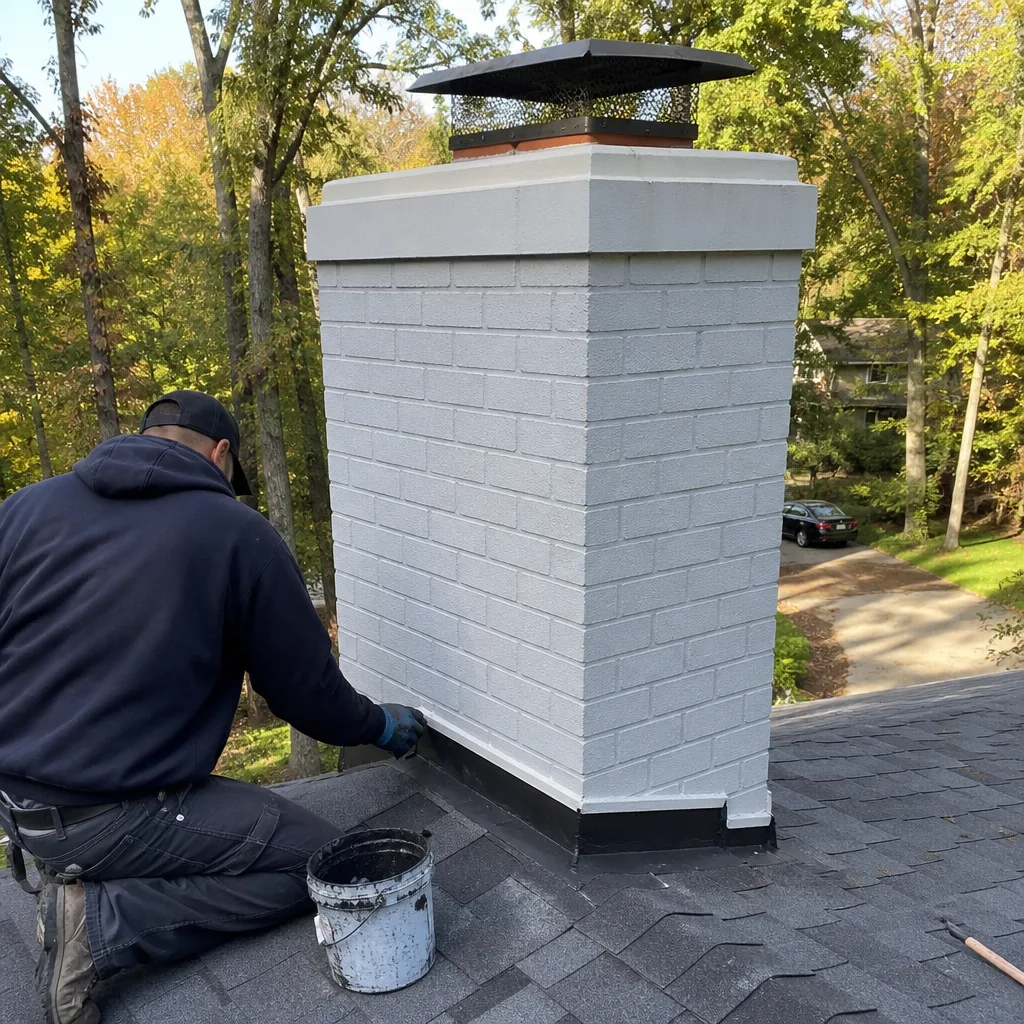 After
After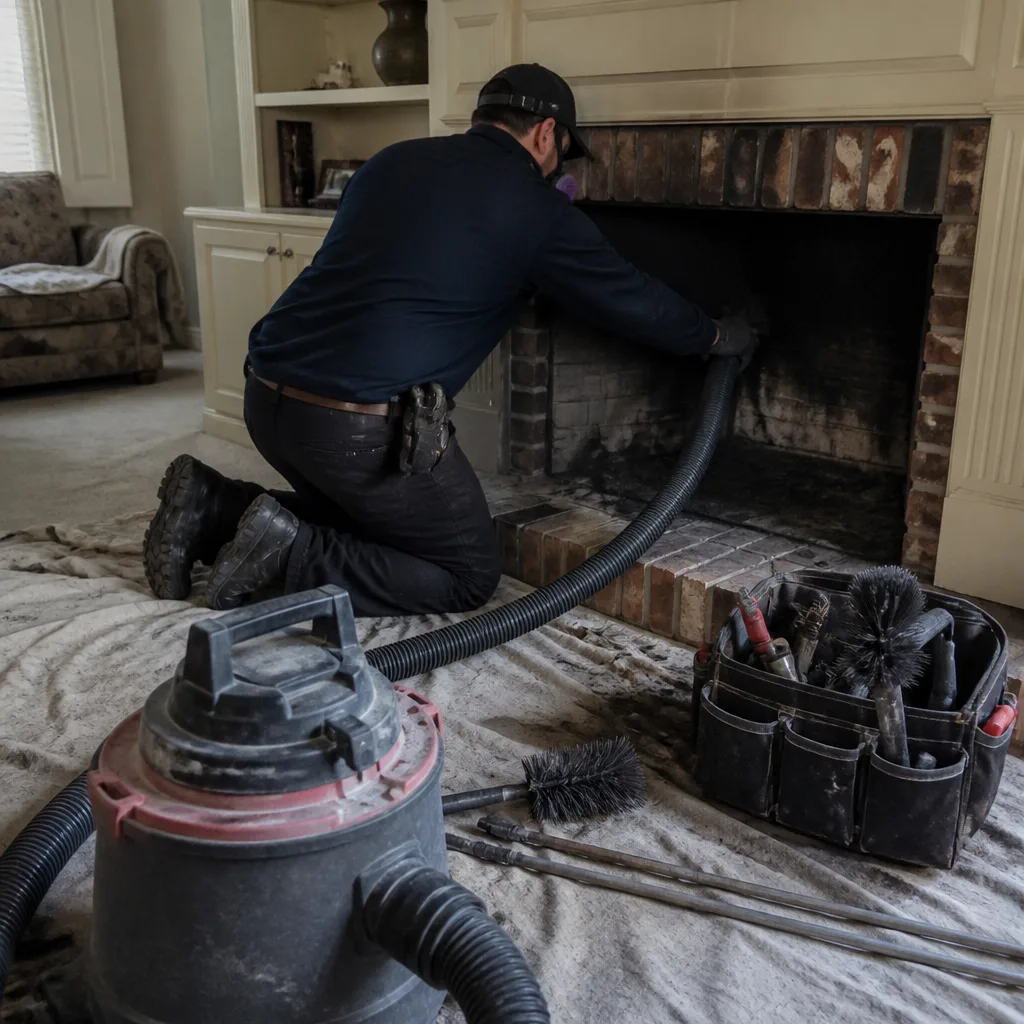 Before
 After
After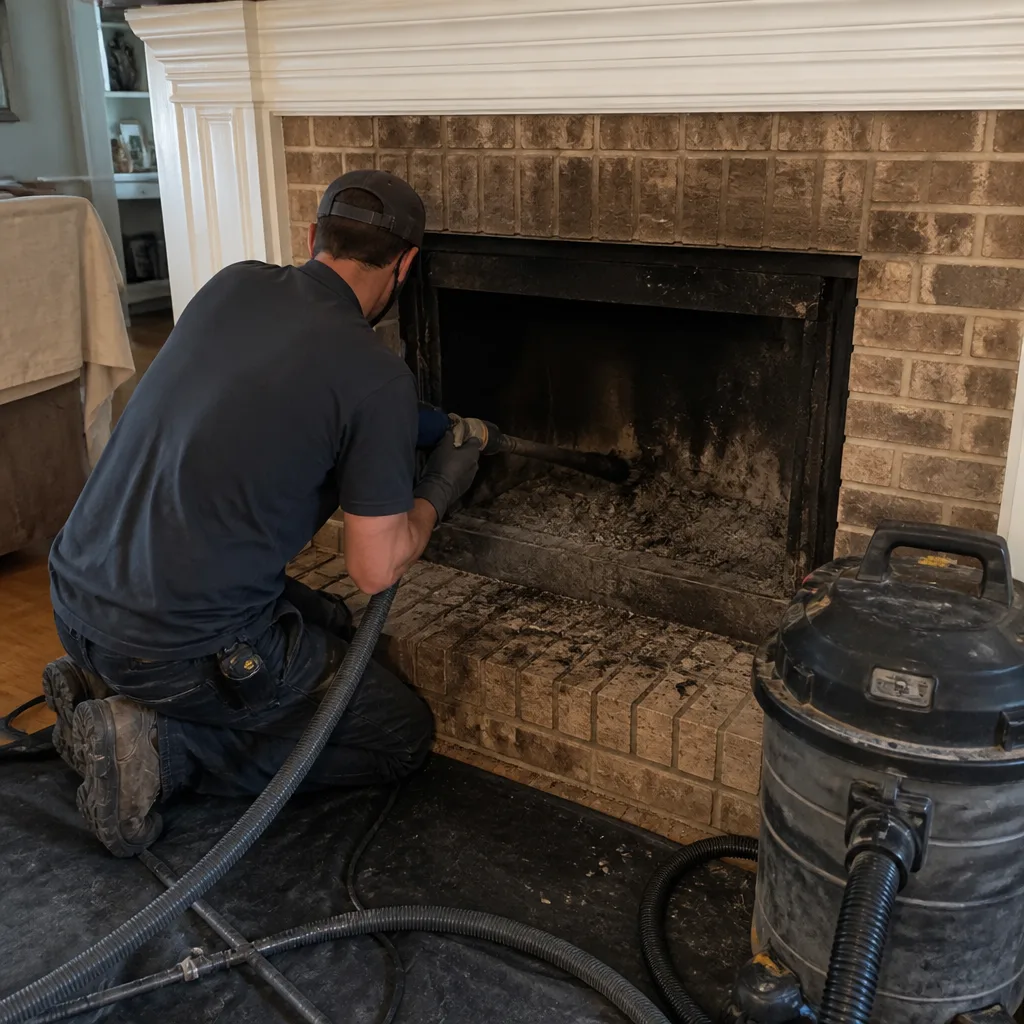 Before
 After
After