
Last updated October 15, 2026
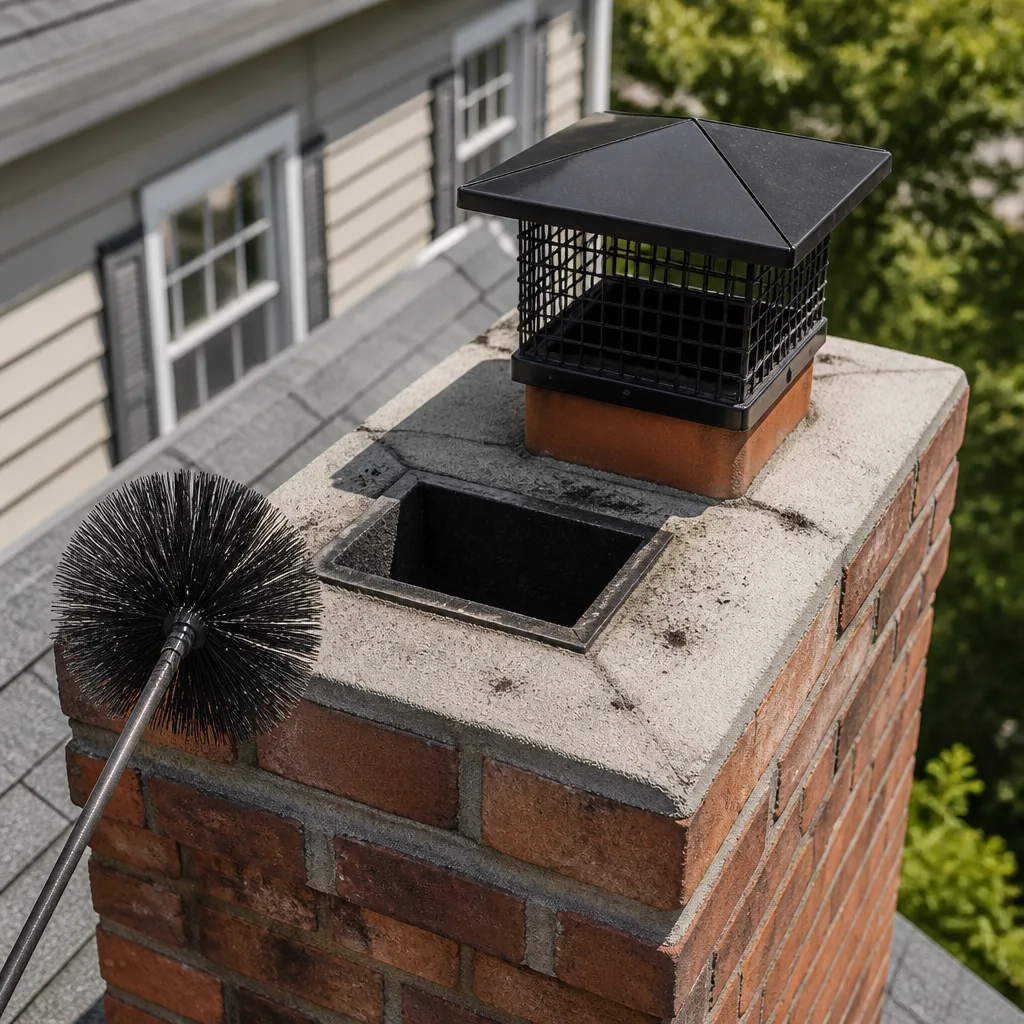 Sweep & inspection
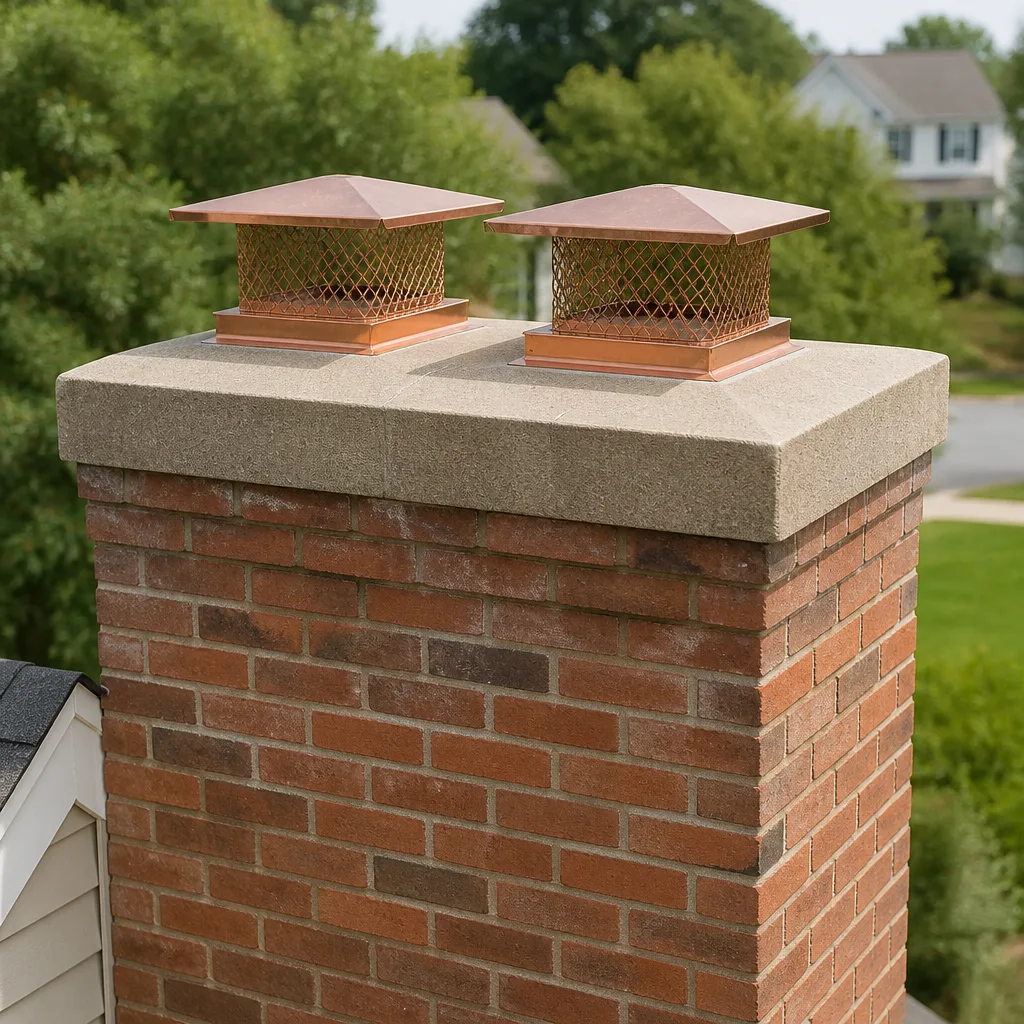 Caps & crowns
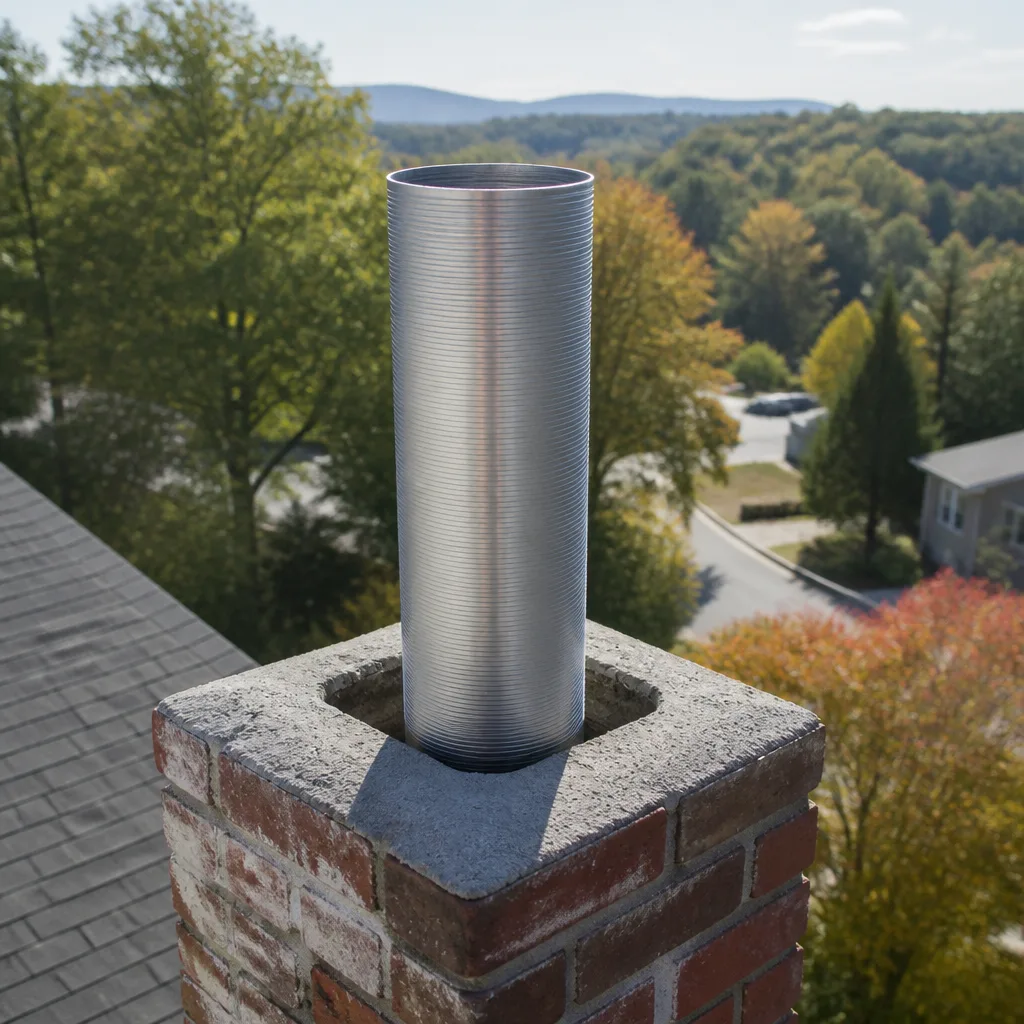 Flue relining
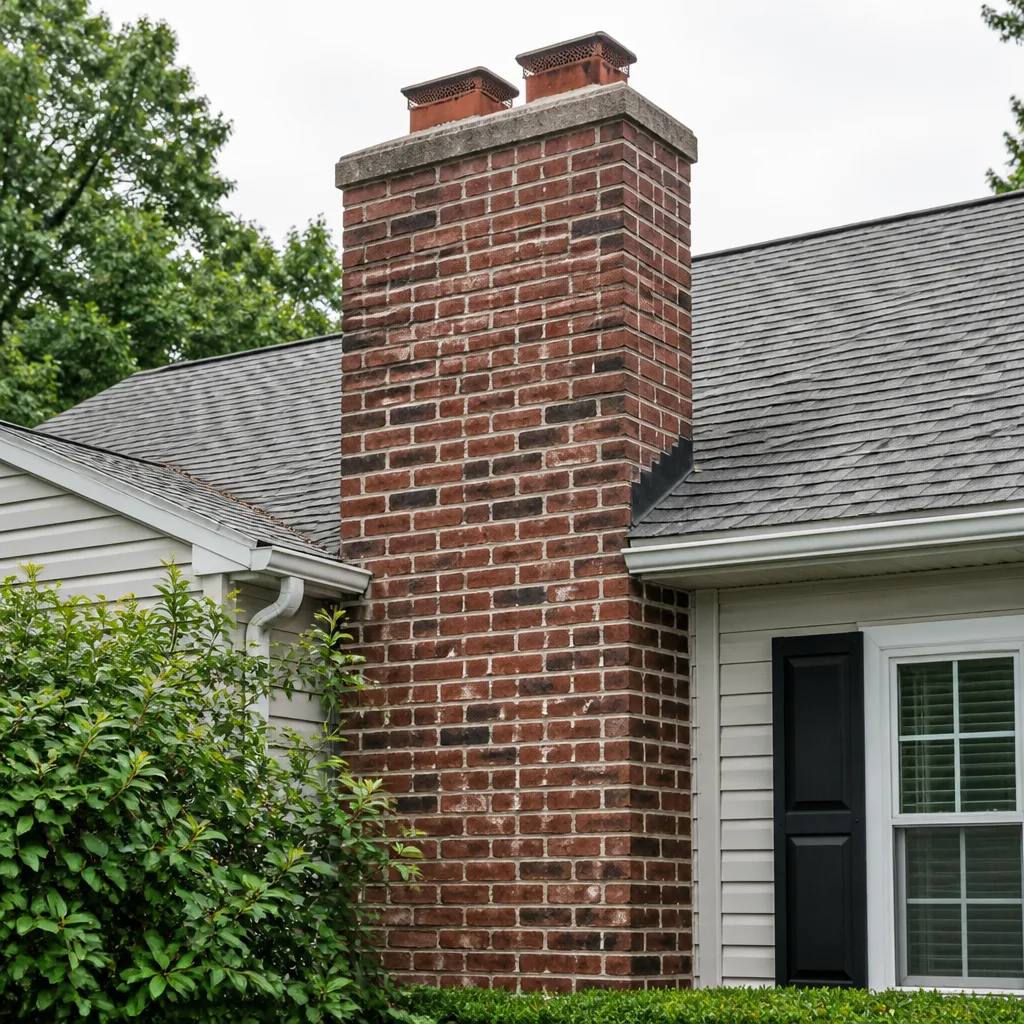 Masonry repair
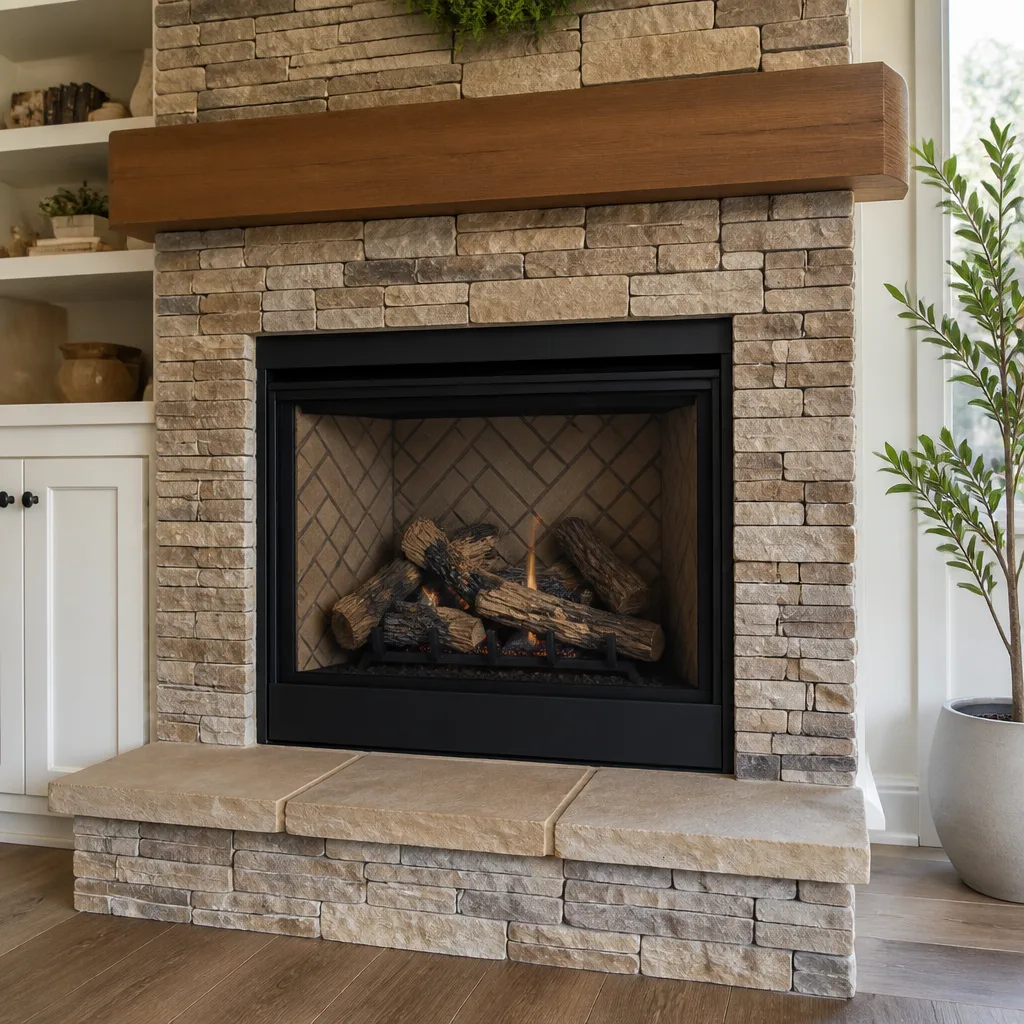 Gas fireplace service
Level 1 sweep and inspection to the NFPA 211 annual standard - flue, crown, cap, and flashing checked and photographed
Chimney sweep logs do not sweep chimneys. They loosen some creosote - which then falls where a brush and vacuum still have to collect it.
Chimney Sweep Maintenance Checklist for Marietta Homeowners
The creosote that causes chimney fires doesn’t appear overnight. It builds in layers, deposit by deposit, most of which you walk past a hundred times before they become dangerous. A five-minute monthly look catches it at layer one, when a simple sweep removes it, instead of layer three, when removal requires chemical treatment or mechanical remediation. This checklist is built for Marietta homes specifically: the 1970s and 1980s brick colonials in Indian Hills and East Cobb, the 1990s ranches near Sprayberry, and the newer gas-insert homes that fill the subdivisions around Barrett Parkway. Each one fails in slightly different ways, and a generic checklist misses those differences. This one doesn’t.
Styles & brands we work with
Quick Answer
A chimney maintenance checklist for Marietta homeowners should include a monthly visual inspection of the firebox and damper during burning season (October through March), an annual professional sweeping and Level 1 inspection before first use each fall, immediate attention to any white or brown staining on interior walls near the chimney, and specific checks for gas fireplace inserts that wood-burning checklists routinely skip. Most tasks take under ten minutes and require nothing more than a flashlight and your eyes. The goal isn’t to replace a professional sweep; it’s to catch problems between visits while they’re still cheap to fix.
Table of Contents
- Marietta’s Burning Season: October Through March
- The Monthly Firebox Check: What to Look For
- Creosote Stages: What You’re Actually Looking At
- Gas Fireplace Inserts: The Three Signs Wood-Burning Checklists Miss
- The Exterior Check: Brick, Mortar, Cap, and Flashing
- Documenting Your Inspections: A Paper Trail That Matters
- Common Mistakes to Avoid
- When to Call a Professional
- Frequently Asked Questions
- The Bottom Line
Marietta’s Burning Season: October Through March
Most national checklists pretend chimney season runs year-round or follows some generic four-season model. It doesn’t, not in Cobb County. In Marietta, the burning season runs from roughly mid-October through late March. That’s when your fireplace sees actual use, and that’s when creosote accumulates. Planning maintenance around this window matters because a chimney swept in April sits clean all summer and is ready to go the first cold snap in October. A chimney swept in December, after two months of fires, has already been accumulating deposits on every burn.
Here’s the month-by-month cadence we recommend to the homeowners we serve across Marietta:
- September: Schedule your annual chimney sweep in Marietta and Level 1 inspection. This gets you on the calendar before the October rush, when every sweep company in Cobb County is booked three weeks out.
- Early October: Do your pre-season firebox check (detailed below). Look for anything that changed over the summer: rust, cracks, animal debris, or a damper that won’t fully open.
- November through February: Monthly firebox check after every 8-10 fires. This is the five-minute look that catches creosote early.
- March: Final check of the season. Note any buildup so you know what you’re dealing with before the fall booking.
- April through August: One exterior inspection of the chimney crown, cap, and brickwork. Summer thunderstorms in Georgia are hard on masonry, and a cracked crown lets water in year-round.
This calendar matters because creosote accumulation in Marietta has a distinct rhythm. The humidity here means fires burn differently than they do in drier climates. Damp air, slower starts, and occasional use all contribute to creosote formation. A monthly check during the active season catches deposits while they’re still Stage 1 and removable with a standard sweep, not after they’ve hardened into something that requires chemical treatment or specialized tools.
The Monthly Firebox Check: What to Look For
This is the core of the checklist, and it’s something every homeowner can do safely from the firebox opening. You don’t need to climb on the roof, and you don’t need to reach up the flue. You need a flashlight, your eyes, and about five minutes.
Do this check after every 8-10 fires, which for most Marietta homes works out to monthly during the burning season. More often if you burn daily or use unseasoned wood.
- Open the damper fully and look up with a flashlight. You’re looking at the flue walls. If they’re shiny black and look like hardened tar, that’s Stage 3 glazed creosote and it’s a professional problem. If they’re dull black and flaky, that’s Stage 2 and you’re approaching the point where a sweep is needed soon. If you see brown or gray flaky deposits, that’s Stage 1 and normal for a chimney in use.
- Look down at the firebox floor. A thin layer of ash is fine. What you don’t want to see is chunks of flaky black material that fell from the flue walls. That means deposits are building faster than they’re burning off, and a sweep is overdue.
- Check the damper itself. It should open and close smoothly without grinding or sticking. A damper that won’t fully open sends smoke into the house. A damper that won’t fully close lets conditioned air escape all summer and invites birds and squirrels in during the off-season.
- Examine the firebrick lining the firebox. Look for cracks wider than a credit card, missing bricks, or mortar joints that have crumbled. Small hairline cracks are cosmetic. Gaps that expose the metal or masonry behind the firebrick are structural.
- Check for water stains on the firebox walls. Rust-colored streaks or white mineral deposits mean water is getting in from somewhere, usually a failed chimney cap, damaged crown, or cracked flashing. In Marietta, where spring and summer storms are intense, this is one of the most common findings we see on homes built before 1995.
- Sniff. A properly functioning chimney doesn’t smell like much when it’s not in use. A strong smoky odor in summer, especially after rain, indicates water is mixing with creosote deposits, which creates an acrid smell and accelerates deterioration.
None of these steps require reaching up the flue or touching anything. If you see something concerning, document it (photograph with your phone from the firebox opening) and call for a professional chimney inspection in Marietta before you burn again. We’d rather tell you it’s nothing than have you find out it isn’t.
Creosote Stages: What You’re Actually Looking At
Most homeowners hear the word “creosote” and picture one thing: black gunk. But creosote forms in three distinct stages, and telling them apart is the difference between a routine sweep and a serious fire hazard. Here’s how to visually identify each stage from your firebox opening.
Stage 1: Brown or gray flaky deposits that look like coarse coffee grounds stuck to the flue walls. This is normal for a chimney in active use and is what a standard sweep removes. If you see this, you’re fine. Keep burning, keep monitoring, book your annual sweep.
Stage 2: Black, flaky, shiny deposits that look like burnt toast or charcoal. The flakes are harder and more brittle than Stage 1. At this point, creosote is building faster than your fire temperatures can burn it off, which usually means the wood is too wet, the fires are too small, or the flue isn’t drafting well. A sweep is due soon. In our experience serving Marietta homes, Stage 2 is where most fireplaces sit when we arrive for a routine annual cleaning.
Stage 3 (glazed creosote): Shiny, black, tar-like coating that looks like it was painted on with a torch. It’s hard, it’s concentrated fuel, and it ignites at around 2,000 degrees Fahrenheit. When glazed creosote catches fire, it burns hot enough to crack flue liners and spread to the house structure. This is what chimney fires are made of, and it’s why we never recommend burning “one more season” when Stage 3 is present. Removal requires chemical treatment, rotary cleaning with specialized tools, or both.
Here’s the practical takeaway: if what you see is dull and flaky, it’s manageable. If it’s shiny and looks like it belongs on a paved road, stop burning until a professional has addressed it. The materials we use to remediate glazed creosote, including products from Gelco and Olympia Chimney, are the same ones chimney professionals across the country specify. They’re not available at hardware stores, and they’re not applied as a DIY project.
Gas Fireplace Inserts: The Three Signs Wood-Burning Checklists Miss
The post-2000 subdivisions around Marietta, from West Cobb to Sandy Plains Road, are full of gas fireplace inserts. These units are cleaner than wood-burning fireplaces, but they fail in specific ways that wood-burning checklists don’t address. If your checklist only mentions creosote and ash, you’re blind to the three signs below, and these account for a meaningful share of the gas fireplace repair in Marietta calls we handle.
- Soot on the glass or logs. Gas fireplaces burn clean when they’re working properly. If you see black soot building on the glass or on the ceramic logs themselves, the combustion is off. Usually that means the air-to-fuel mix is wrong, the burner ports are clogged, or the logs have shifted out of position. Left alone, soot buildup reduces heating efficiency and, more importantly in our Georgia humidity, accelerates corrosion of the burner and other metal components.
- A gas smell when the unit is off. Natural gas and propane are odorized to smell like rotten eggs. If you smell that when the fireplace is off, you have a leak. Turn off the gas supply at the shutoff valve, leave the area, and call both your gas utility and a professional. This is not a “keep an eye on it” situation. This is an “act now” situation.
- Yellow or lazy flames. A properly adjusted gas fireplace burns with blue flames at the base and yellow tips. If the flames are mostly yellow, if they’re tall and flickering unevenly, or if they’re leaving soot on the logs, the burner needs adjustment or cleaning. This is also the most common cause of the black glass and soot mentioned in point one.
Gas inserts don’t create creosote, so the traditional “look for black buildup” advice misses the real problems. What you’re actually looking for with gas is combustion quality. Clean blue flame, clear glass, no smell: you’re good. Soot, yellow flame, or any gas odor: something’s wrong. Annual inspection of gas inserts is still recommended, but the visual check above takes thirty seconds and catches the most common issues between professional visits.
The Exterior Check: Brick, Mortar, Cap, and Flashing
The chimney exterior takes the most abuse from Marietta weather, and it’s the part most homeowners never look at. You don’t need to climb on the roof for this check. Stand in your yard with a pair of binoculars or use your phone camera zoom. One thorough look per season is enough.
Here’s what you’re checking:
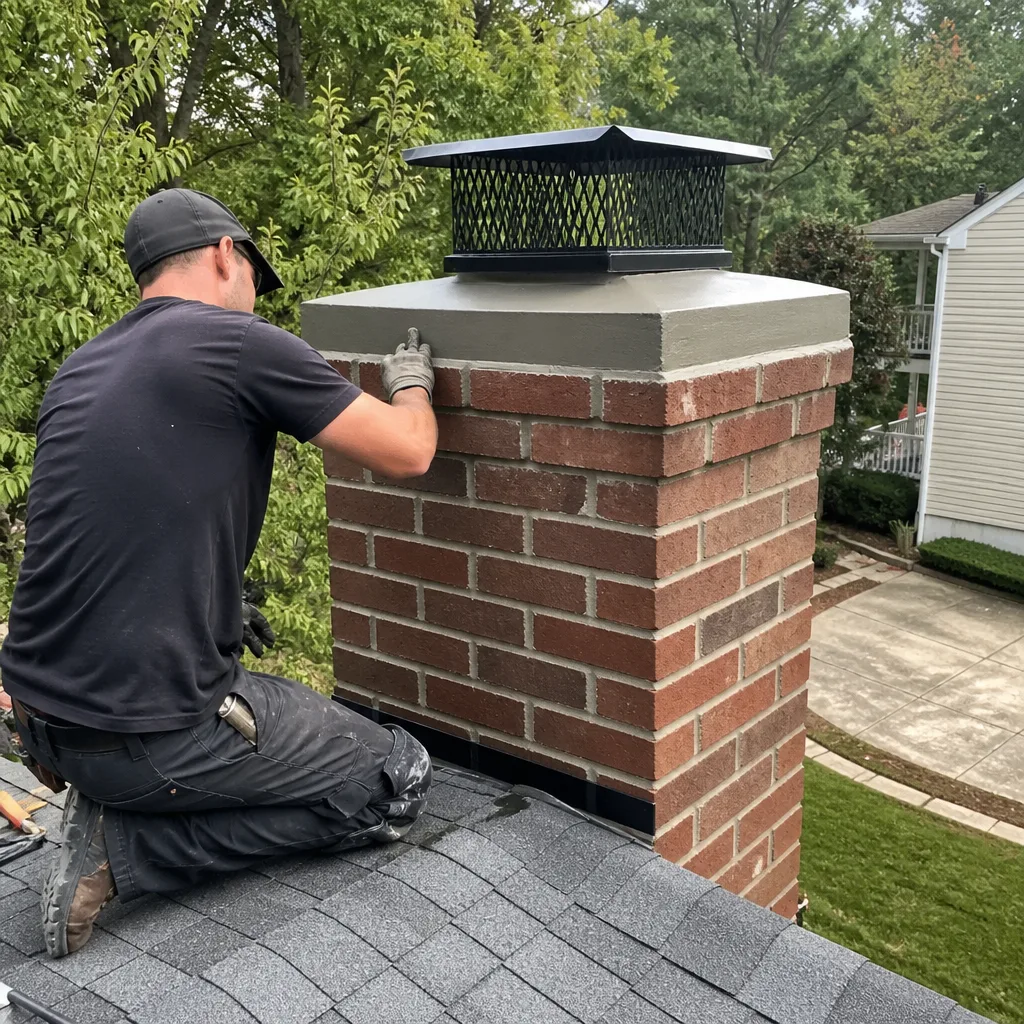
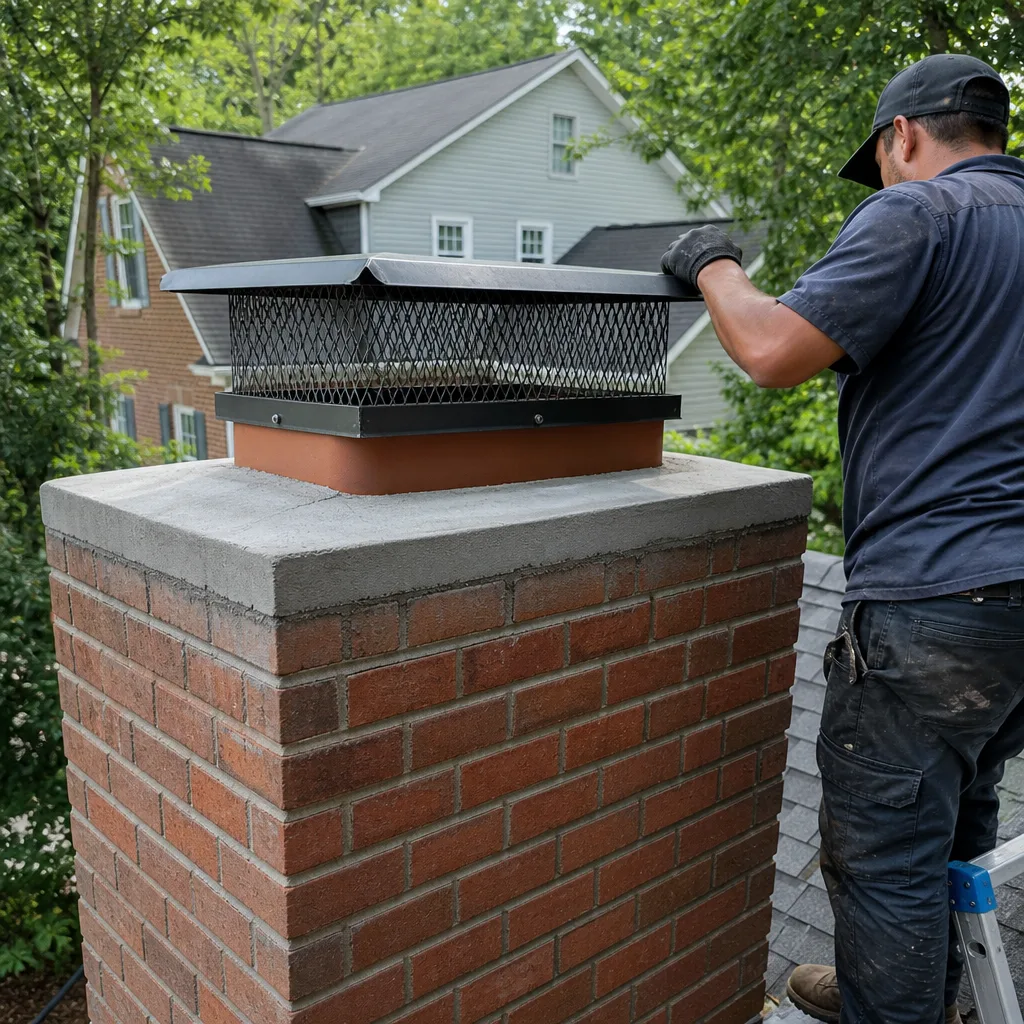
- The chimney cap. This is the metal cover on top of the flue. It should be intact, rust-free, and securely attached. A missing or damaged cap lets rain directly into the flue, which soaks creosote, accelerates masonry deterioration, and creates the rotten-egg-smell-in-summer problem that plagues so many Georgia homes. A replacement cap from Gelco or Olympia Chimney, installed by a professional, typically runs $200 to $400 in the Marietta market.
- The crown. This is the concrete slab that caps the chimney and surrounds the flue. Look for cracks wider than a hairline, pieces that have chipped away, or areas where the concrete has worn down to expose aggregate. A cracked crown lets water seep into the brick structure below, and in a freeze-thaw cycle that Georgia sees a few times each winter, that water expands and spalls the brick face. Crown repair is one of the most common fixes we perform on homes built before the mid-1990s.
- The brick and mortar. Look for white mineral staining (efflorescence), which means water is moving through the masonry. Look for bricks that have spalled, meaning the face has popped off in flakes. Look for missing mortar joints. Marietta’s humidity makes this worse than in drier climates because the moisture never fully dries out between rain events.
- The flashing. This is the metal seal where the chimney meets the roofline. It should be tight against both surfaces with no gaps, no lifting, and no rust holes. Failed flashing is the most common cause of chimney leaks that show up as water stains on ceilings near the fireplace. In our experience, most flashing failures on Marietta homes show up in the first few years after a roof replacement, when a roofing crew uses generic materials instead of chimney-specific flashing.
One of the benefits of a professional chimney sweeping is that we’re already on the roof, already looking at all of this from inches away. The annual sweep doubles as an exterior inspection. But between visits, the seasonal check above catches problems early enough that they don’t turn into four-figure masonry repairs.
Documenting Your Inspections: A Paper Trail That Matters
Most homeowners skip documentation because it feels like extra work. It isn’t, and it’s the single most valuable habit you can build into this checklist. Here’s what to do:
- Take photos every time you do the monthly firebox check. Same angle, same flashlight position, same time of day if possible. The goal is consistency so you can compare images over time. When you look at November’s photo next to February’s photo, you can see creosote accumulating in a way your memory never would.
- Email the photos to yourself with a subject line you can search. Something like “Chimney check January 2026” is all you need. This creates a timestamped record.
- Keep a simple log. A note in your phone or a paper card in a drawer: date, number of fires since last check, what you observed, any changes from the previous check. Thirty seconds of writing.
- File professional inspection reports. Every professional chimney inspection in Marietta should produce a written report. Keep it with your home records. Level 2 inspections are particularly important to retain because they document the internal condition of the flue, which matters for insurance claims and home resale.
Why this matters: if you ever have a chimney fire or a water damage claim, your insurance company will ask when the chimney was last inspected and cleaned. “I think it was a couple of years ago” doesn’t hold up. A dated photo log and professional reports do. This documentation also helps with manufacturer warranties on liners, caps, and other components. Many warranty claims require proof of maintenance, and a photo log is exactly that proof.
We’ve also seen this documentation matter during home sales in Marietta. Buyers’ inspectors flag chimneys all the time, and a seller who can produce five years of inspection records and a dated maintenance log negotiates from a much stronger position than one who says “we never had any problems.”
Common Mistakes to Avoid
- Burning unseasoned wood. Fresh-cut wood contains up to 50% water by weight. Burning it creates cool, smoky fires that deposit creosote aggressively. In Marietta, where humidity is already high, wet wood is the single biggest contributor to Stage 2 and Stage 3 creosote we see. Season wood for at least six months, covered and off the ground.
- Assuming gas fireplaces don’t need maintenance. They don’t produce creosote, but they do produce corrosion, clogged burners, and failed thermocouples. Skipping annual gas insert inspection is how a $150 cleaning becomes a $600 part replacement.
- Ignoring small cracks in the firebrick or mortar. Small cracks become big cracks with repeated heating and cooling cycles. In Georgia’s climate, where chimneys experience more thermal cycling than in more moderate regions, hairline cracks in firebrick can open up within a single burning season.
- Closing the damper too soon after a fire. The damper should stay fully open until the fire is completely out. Closing it while embers are still glowing sends carbon monoxide into the house instead of up the flue. This is the most dangerous mistake on this list, and it’s the one we see most often in homes with younger children, where parents close things up to be “safe.”
- Never checking the chimney cap. Most homeowners don’t know they have one until it’s gone. A missing cap invites rain, birds, squirrels, and in Marietta, the occasional raccoon. Animal nests in flues are a year-round problem here, and the resulting blockage forces smoke and carbon monoxide back into the home.
- Using the fireplace as a trash incinerator. Burning wrapping paper, cardboard, or pizza boxes creates high flames and floating embers that can ignite creosote deposits. It also produces chemical residues from inks and adhesives that coat the flue. Fireplaces are for seasoned firewood. Nothing else.
- Delaying the annual sweep because “we barely use it.” An unused fireplace still gets inspected once a year. Birds and squirrels don’t care how often you burn. Neither does water, and neither does rust. The annual visit catches problems that would otherwise go unnoticed until they’re expensive.
When to Call a Professional
Some things on a chimney maintenance checklist are yours to handle. Others cross a line where doing it yourself is dangerous or ineffective. Call a professional if you see glazed creosote (shiny black tar), if you smell gas from a gas fireplace, if water is dripping into the firebox during rain, if you hear animals in the chimney, or if you’re not certain what you’re looking at during your monthly check. Also call if it’s been more than a year since your last cleaning, even if everything looks fine before the burning season starts. Professional-grade materials like Famco and Copperfield products, proper cleaning equipment, and the training to use them safely exist for a reason. Alcott Chimney Marietta offers free estimates across Marietta – call (229) 350-8952 and you’ll speak with a live person, not a voicemail tree.
Frequently Asked Questions
Once a year, before the burning season starts, is the standard for any fireplace that sees regular use. If you burn more than three cords of wood per season, or if you burn unseasoned wood, you may need a second sweep mid-season. A professional can evaluate your accumulation after the first cleaning and give you a specific recommendation for your situation. Call (229) 350-8952 and we’ll talk through your usage patterns and give you a straight answer.
A standard chimney sweeping in Marietta typically runs $180 to $340, depending on the chimney’s height, accessibility, and level of creosote buildup. If glazed creosote is present, removal costs more because it requires chemical treatment or rotary tools. Every Alcott Chimney Marietta job includes a written price before any work begins, so you know the number before we start. No surprises at the end.
If you use the fireplace regularly, skipping a year means creosote accumulates unchecked. Stage 1 becomes Stage 2, and if you keep burning, Stage 2 becomes Stage 3 glazed creosote, which is a chimney fire waiting for the right conditions. The annual sweep is significantly cheaper than creosote remediation or fire damage repair. If you haven’t used the fireplace, the risk is lower, but an annual inspection still catches water intrusion, animal nests, and structural issues before they become expensive repairs.
Hardware store chimney brushes are designed for light Stage 1 creosote removal from straight flues with easy roof access, and even then, the results are inconsistent. They won’t remove Stage 2 or Stage 3 deposits, they can’t reach all sections of many flues, and they require you to work on a roof, which carries its own risks. The trade materials we use, including Gelco and Olympia Chimney products, are not available to the public and are applied differently than anything you’d buy at a retail store. Your safety and the integrity of your flue are worth more than the money a DIY sweep saves, and DIY sweeps often leave enough creosote behind that the problem continues anyway. Call (229) 350-8952 and we’ll explain what we do differently.
Gas fireplaces don’t produce creosote, so they don’t need sweeping in the traditional sense. What they need is an annual inspection and service that includes checking the burner, pilot, thermocouple, logs, and venting. Gas inserts vent combustion byproducts through a flue, and that flue should be inspected annually for blockages, corrosion, and proper drafting. This is part of what we cover in our gas fireplace repair in Marietta service, and it’s the most common request we get from homeowners in the newer subdivisions around West Cobb and Sandy Plains.
Look for water stains on the ceiling or walls near the fireplace, rust on the damper or firebox, white mineral staining on exterior brick, or a strong smoky odor that gets worse after rain. Any of these means water is getting in somewhere, and the most likely culprits are a damaged cap, cracked crown, or failed flashing. We find leaks in Marietta homes most often after heavy spring storms, when minor gaps that would have gone unnoticed during dry weather suddenly become obvious. Call (229) 350-8952 and we’ll locate the source and tell you what repair actually costs.
The Bottom Line
Chimney maintenance for Marietta homeowners is a monthly five-minute check during burning season, a seasonal exterior look, and one professional sweep and inspection each year before the first fire of fall. The monthly check catches creosote at Stage 1, when it’s removable with a standard sweep. The exterior check catches water intrusion before it becomes masonry repair. And the professional visit catches everything you can’t see from the firebox or the yard. Together, these habits prevent chimney fires, carbon monoxide exposure, and the four-figure repairs that show up when problems go unnoticed for years. If you’re not sure where to start, call (229) 350-8952 and tell us what you’re seeing. We’ve been serving Marietta homeowners since 2002, and we’ll give you a straight answer about what needs doing and what can wait. Start with our Alcott Chimney Marietta home page if you want a fuller picture of how we work before you pick up the phone.
Written by Ruben Castellano, Owner at Alcott Chimney Marietta, serving Marietta since 2002.
See the difference
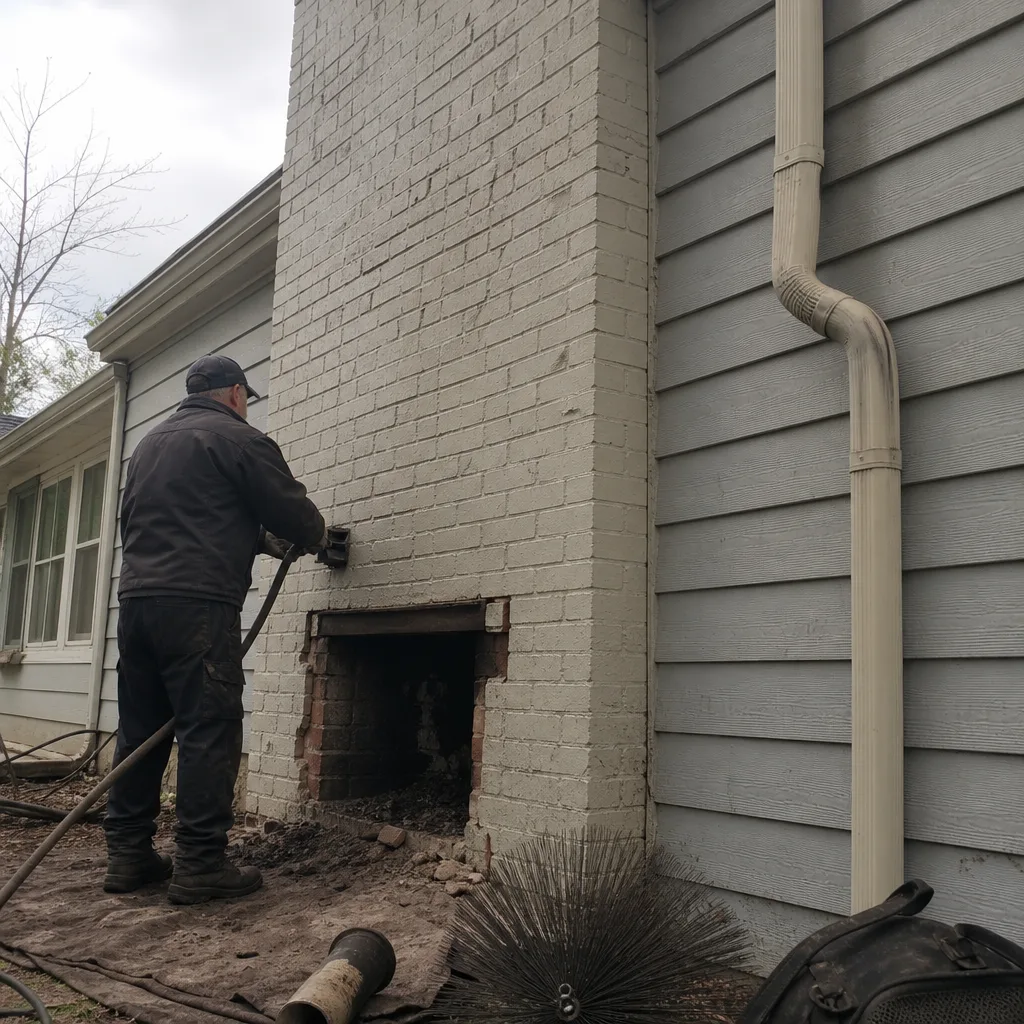 Before
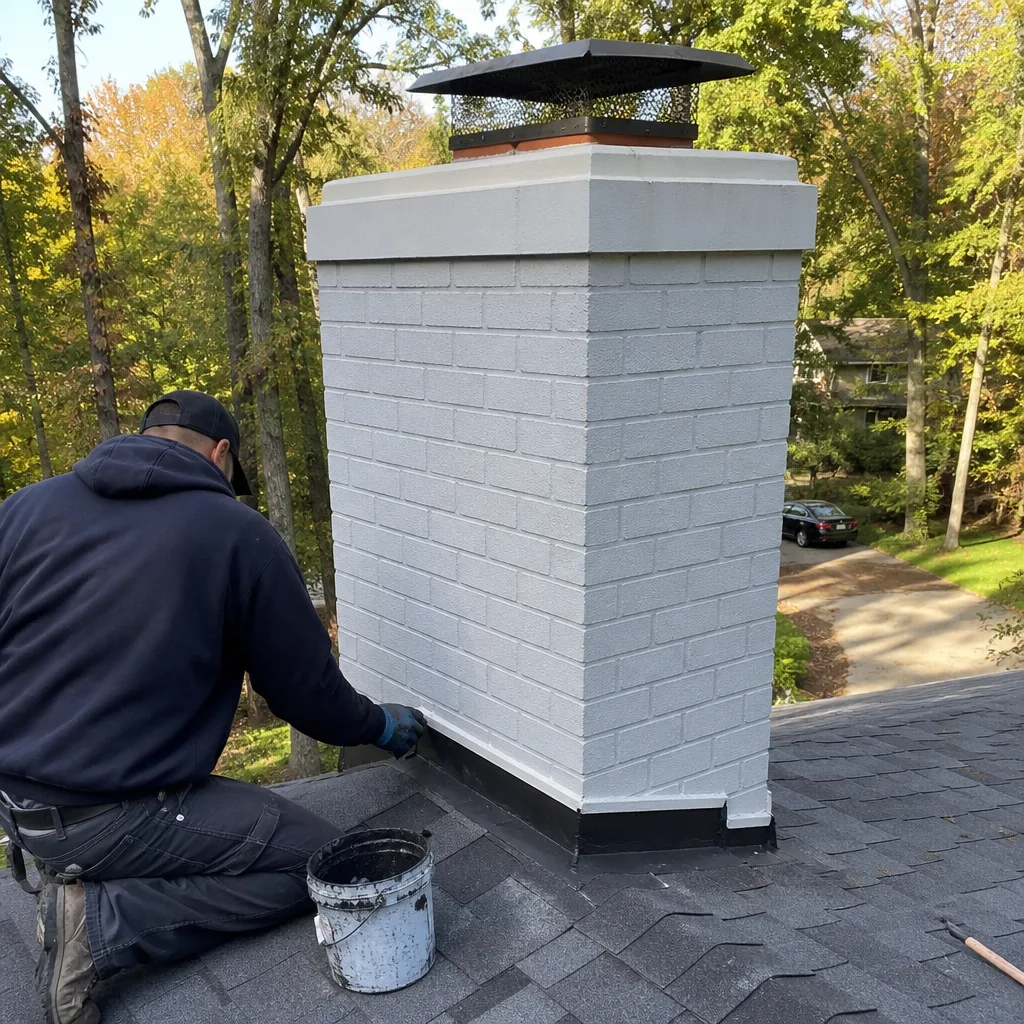 After
After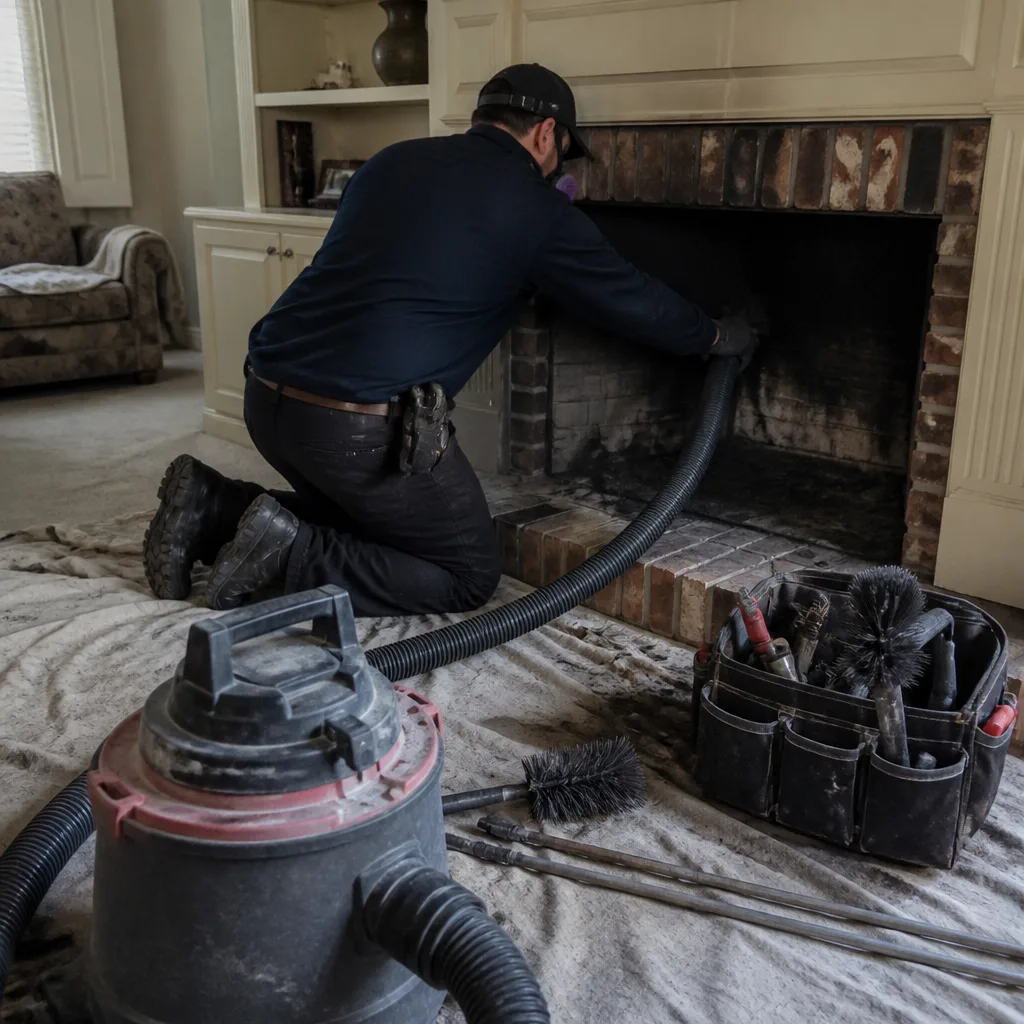 Before
 After
After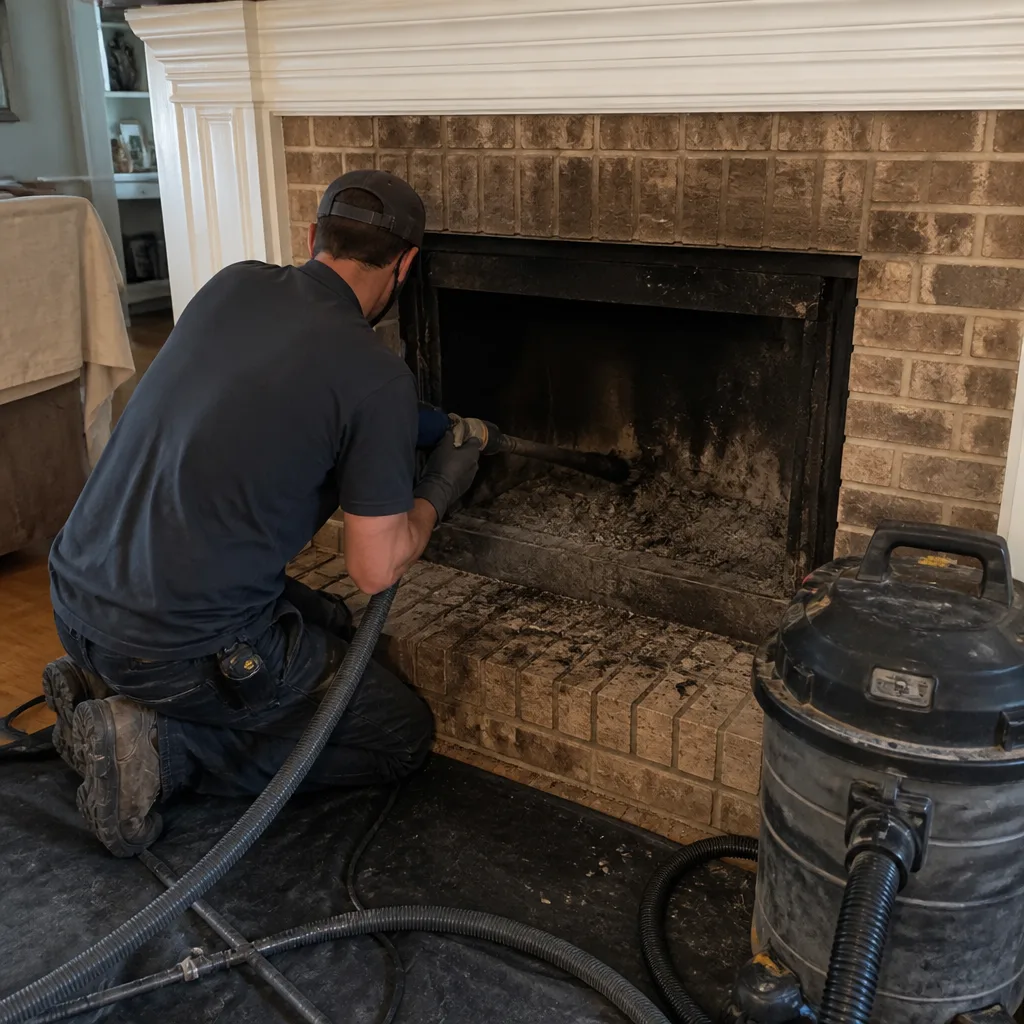 Before
 After
After