
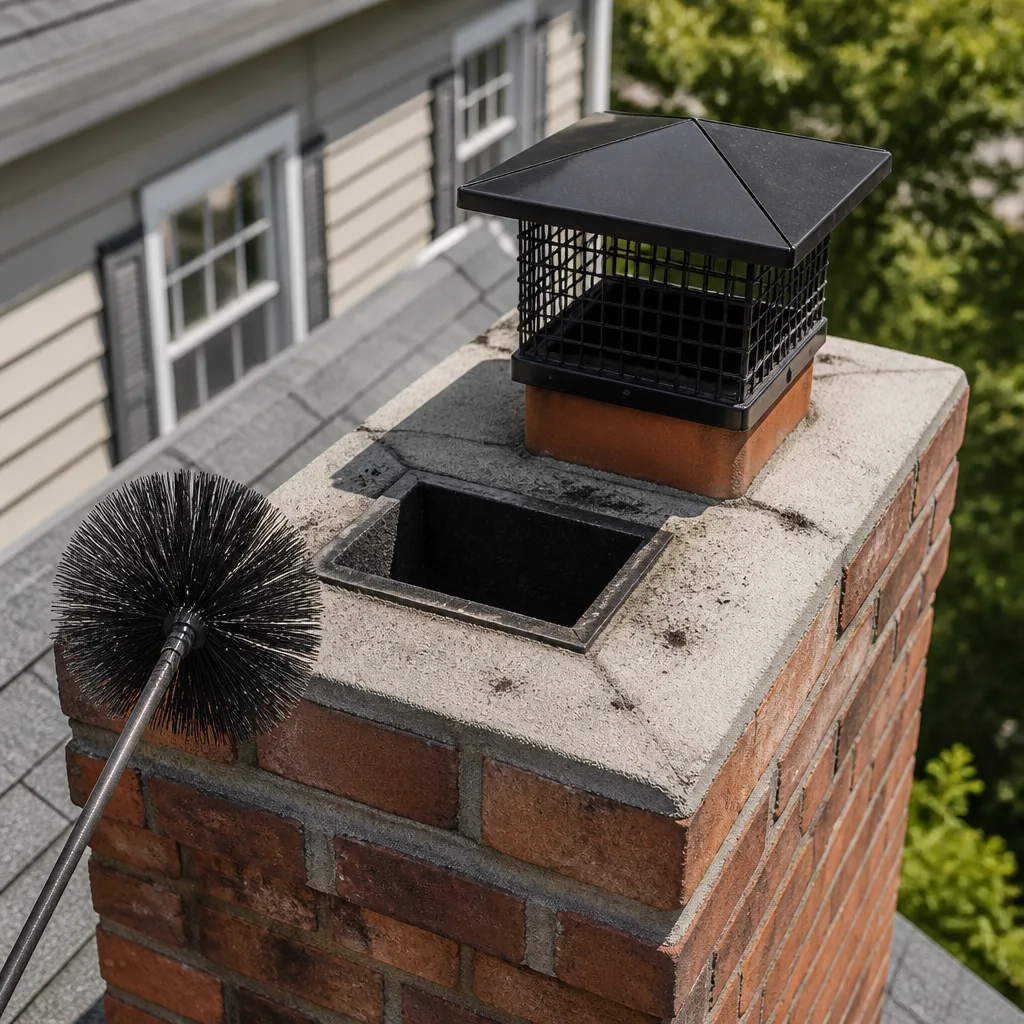
 Sweep & inspection
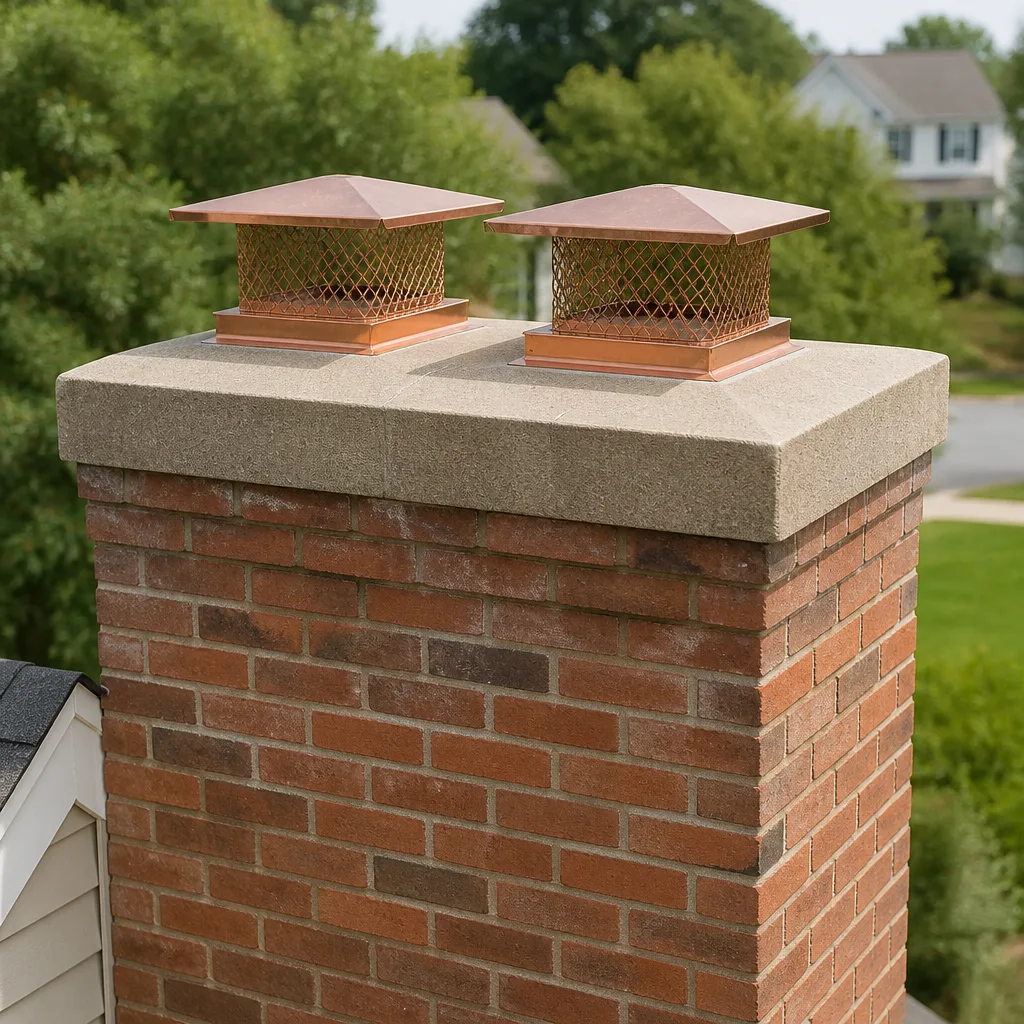 Caps & crowns
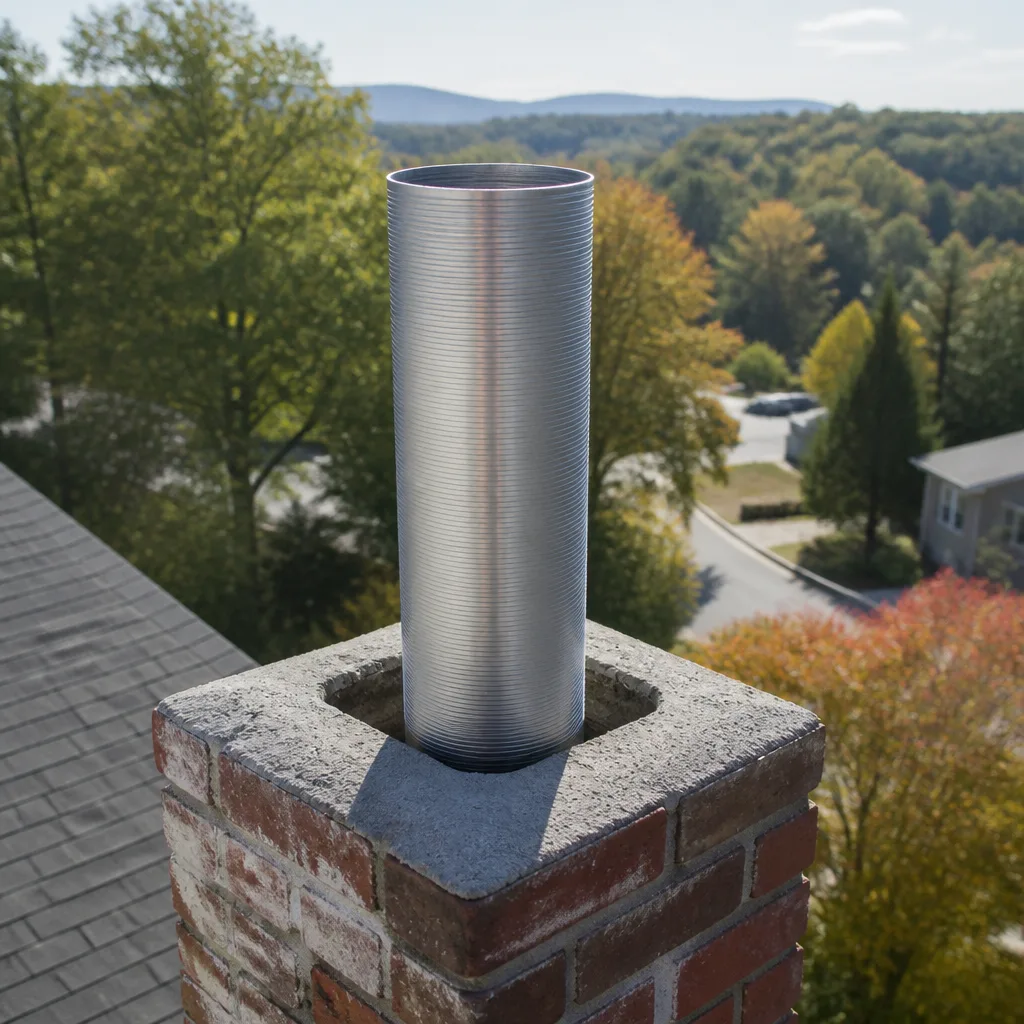 Flue relining
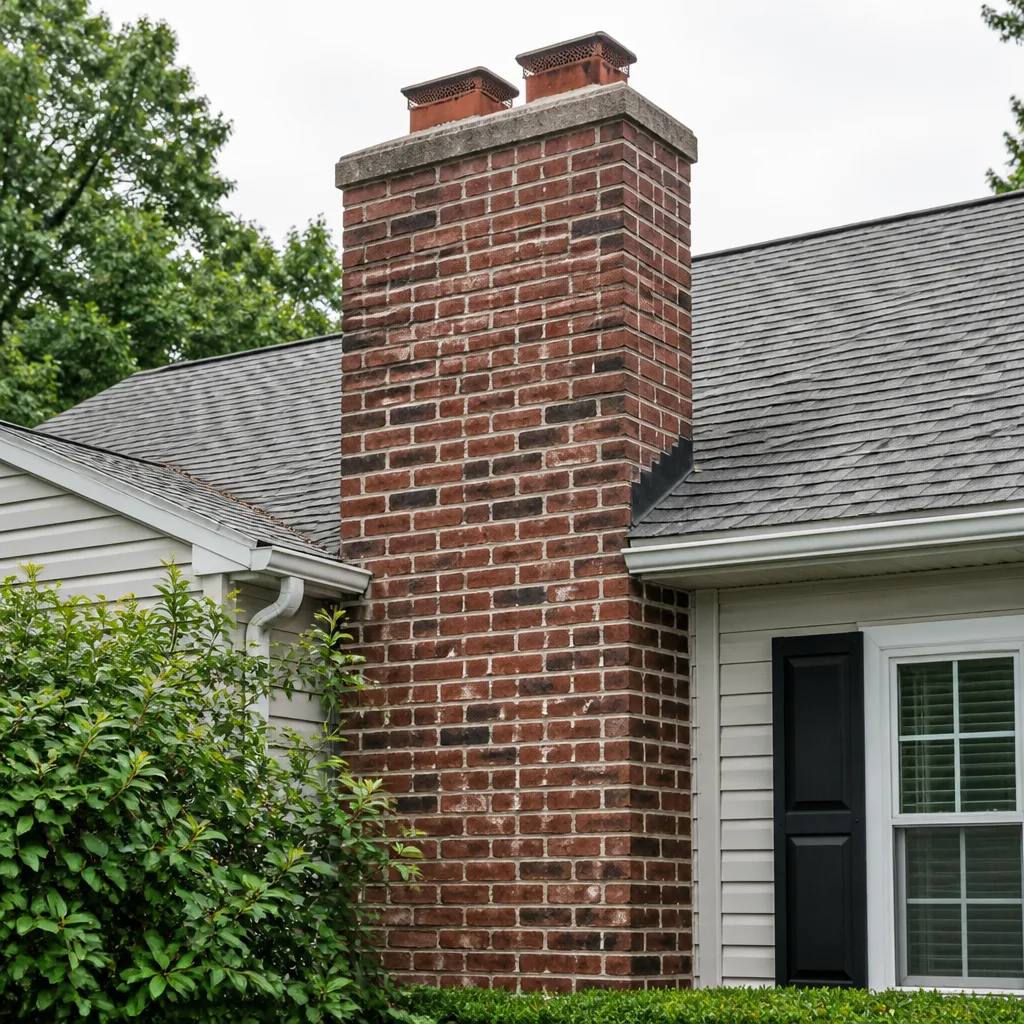 Masonry repair
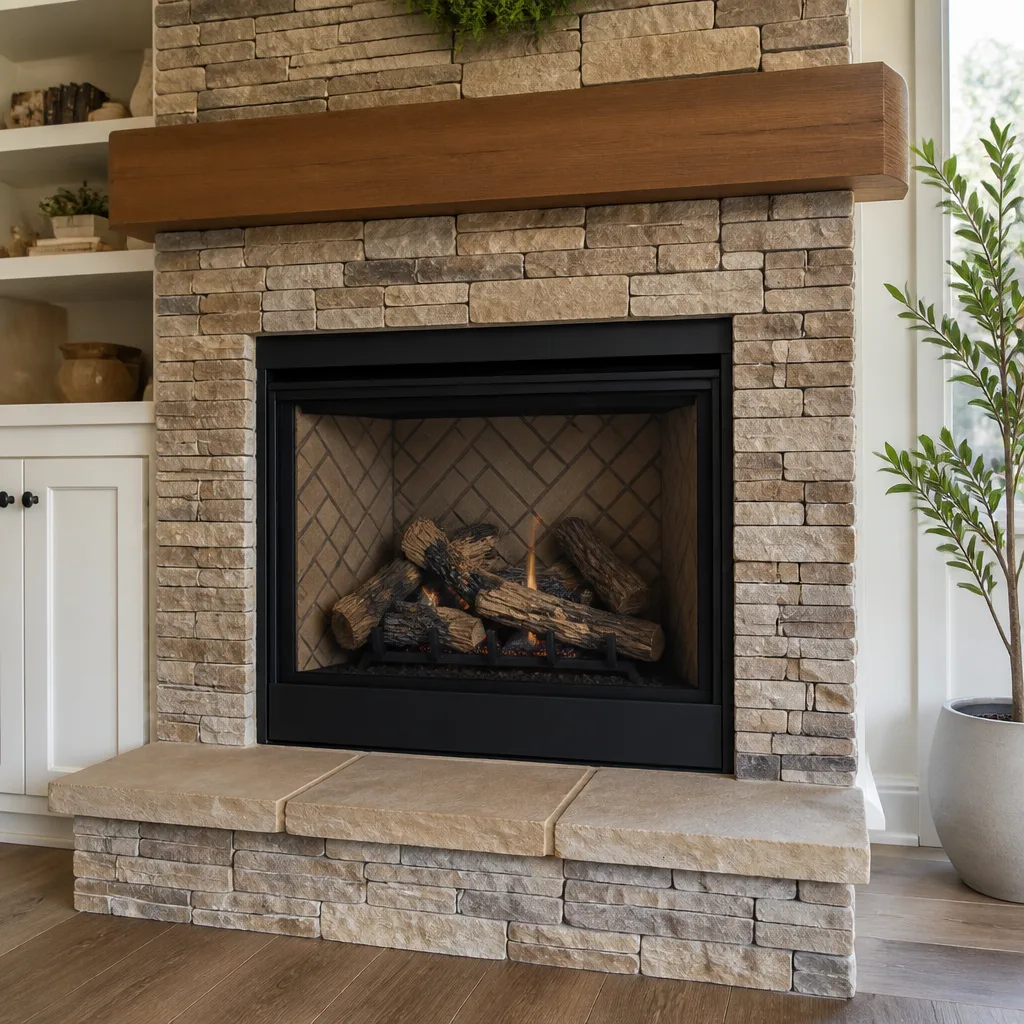 Gas fireplace service
Level 1 sweep and inspection to the NFPA 211 annual standard - flue, crown, cap, and flashing checked and photographed
Chimney sweep logs do not sweep chimneys. They loosen some creosote - which then falls where a brush and vacuum still have to collect it.
HeatShield Chimney Sweep in Marietta: What to Know First
A HeatShield chimney sweep in Marietta typically runs $189 – $329 for a standard cleaning and Level 1 inspection, and most jobs are finished in under two hours. We’re an independent HeatShield service provider, which means we work on your system without being tied to the manufacturer’s pricing or replacement schedule, and we’ll tell you plainly if the liner can be cleaned or actually needs repair. If you own a HeatShield system and you’re seeing flaking, unusual odors, or just know it’s been more than a year since the last sweep, call us at (229) 350-8952 and we’ll walk you through what you’re looking at before we ever schedule a visit.
This page is for homeowners in Marietta who have a HeatShield resurfaced flue or liner and want a chimney company that understands how that product ages, what its weak points are, and what a proper sweep looks like without voiding the warranty. You’ll find real pricing, the failure modes we actually see in Cobb County homes, and what we do differently on a HeatShield job.
How HeatShield Products Fail – and How We Fix Them
HeatShield is a ceramic-based resurfacing product applied to the inside of a damaged flue. It’s a good system when installed correctly, but like anything inside a chimney, it lives in a brutal environment. Here are the five failure patterns we see most often in Marietta homes, what causes them, and how we address each one:
- Surface spalling on HeatShield Cerfractory flue sealant. This shows up as flaking or sandy material in the firebox. It usually means the original application trapped moisture behind the coating or the flue ran hot before the material fully cured. We remove loose material with soft brushing designed for resurfaced flues, then document the exposed area with a camera so you can see whether it’s cosmetic or structural before we recommend anything.
- Glazed creosote bonding to the HeatShield surface. The ceramic finish on HeatShield Cerfractory is smoother than raw masonry, but it’s not non-stick. After a season of slow-burning fires, a hard, shiny layer can form that a standard wire brush won’t remove and shouldn’t be forced against. We use chemical creosote treatments and flail systems set to the manufacturer’s pressure tolerance for resurfaced liners. Scraping it with metal tools is exactly how warranties get voided, and we won’t do that to your flue.
- Thin spots from the original install. HeatShield is only as good as the prep work underneath it. In older Marietta homes, particularly along the Kennesaw Avenue corridor and around the Square, we find flues that were resurfaced over partially deteriorated masonry. The HeatShield coating masks the problem for a while, but thin application areas start to erode faster than the surrounding surface. We sweep gently, then use a Level 2 camera inspection to measure the remaining coating depth and tell you what’s actually happening behind the surface.
- Moisture intrusion at the flue cap or crown. Water is the enemy of every resurfaced flue. A cracked crown or missing cap lets rain sit against the HeatShield surface, and freeze-thaw cycles in a Marietta winter will eat away at the bond line between the coating and the original flue. We inspect the crown and cap on every sweep, and when we find water entry, we tell you the source matters more than the symptom. A new HeatShield layer over a leaking crown fails again within a few seasons.
- Flue gas etching on low-burn systems. Homes with high-efficiency gas logs or inserts that were converted after the HeatShield was applied sometimes show vertical streaking or etching in the coating. The flue was sized and coated for wood-burning temperatures, and the lower gas exhaust temps weaken the coating over time. We flag this during the sweep and camera pass, then explain whether the flue needs resizing, a liner, or just closer monitoring based on what the footage shows.
Styles & brands we work with
Our HeatShield Chimney Sweep Process
- 1
You call (229) 350-8952 and tell us what you’re seeing. A live person answers around the clock. We ask about your HeatShield system, when it was last swept, and what the fireplace or stove has been doing lately. Ruben’s rule is simple: tell us what you’re seeing and we’ll tell you exactly what it means, no guesswork, no upsell.
- 2
We schedule and send you the technician’s name and photo before the truck rolls. You’ll know exactly who’s arriving, what they look like, and they’ll show a photo ID badge at the door. Every Alcott technician is background-checked and identity-verified through the Threshold Standard before they ever set foot on your property.
- 3
We protect your home and set up the sweep. Drop cloths, HEPA vacuum, and full floor and hearth protection go down before the brush touches your flue. HeatShield surfaces require controlled pressure and the right brush type, so we adjust our equipment to the flue’s condition, not the other way around.
- 4
We sweep and inspect. Standard sweep removes built-up creosote and soot. Then we run a Level 1 or Level 2 inspection depending on the system’s age and history. On a HeatShield flue, that always includes a camera pass so the coating’s thickness and adhesion are verified in real time. You’ll see the footage with us, not hear about it secondhand.
- 5
We write the price before any repair work begins. If the sweep turns up something that needs attention, you get a line-item written price before we touch anything beyond the sweep. No surprise charges at the end, no “while we’re here” add-ons. You decide what happens next.
- 6
We finish, clean up, and hand you the written guarantee. Every repair carries a written guarantee at no extra charge. If anything we fixed fails within the coverage period, the second visit is free. That’s the 365-Day Done Right Promise on every job, and it applies to HeatShield work the same as everything else.
See the difference
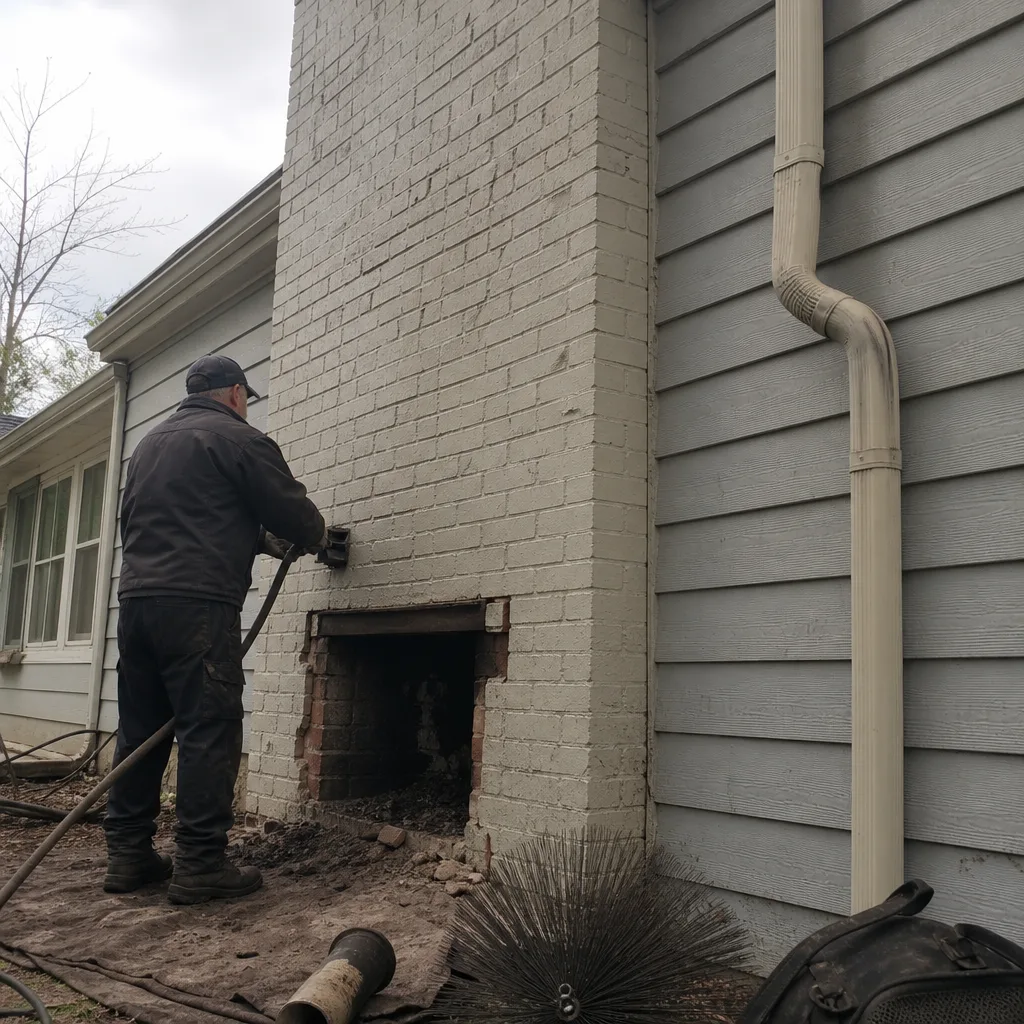 Before
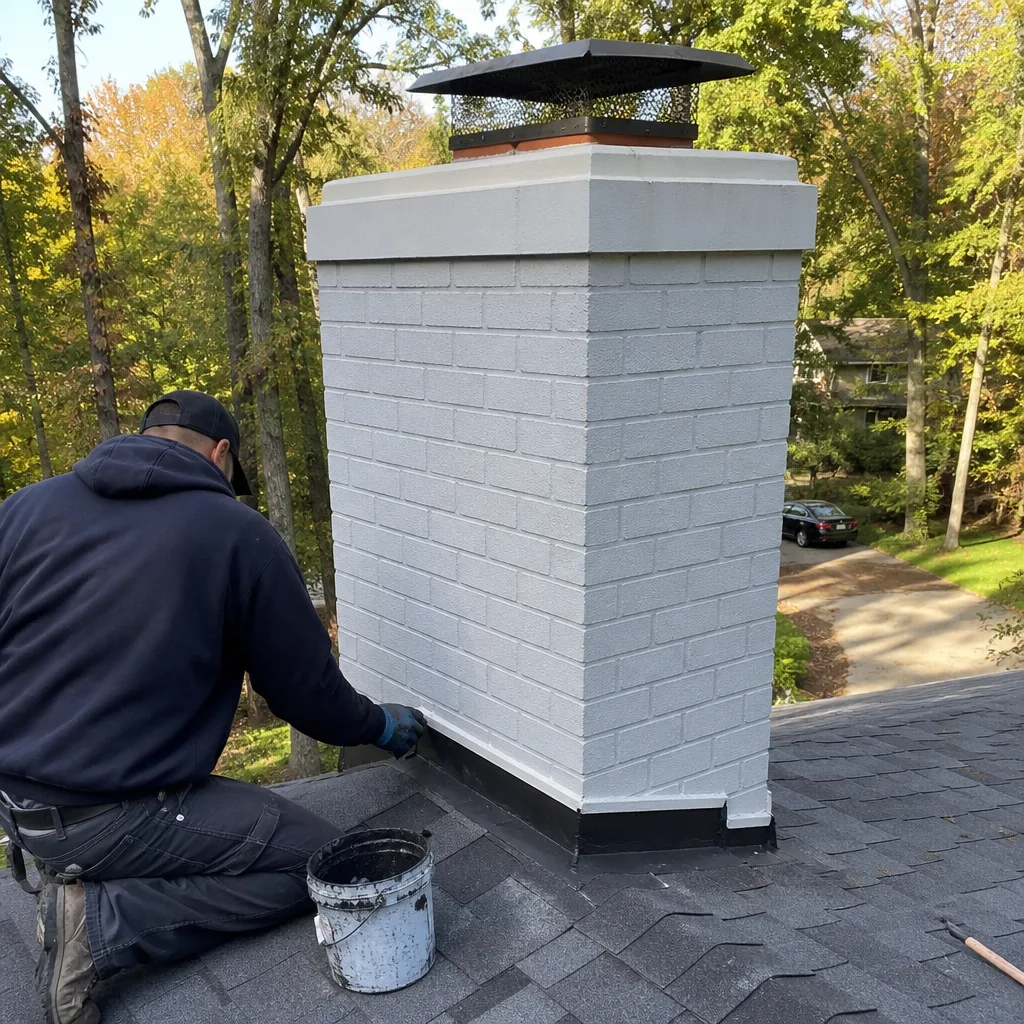 After
After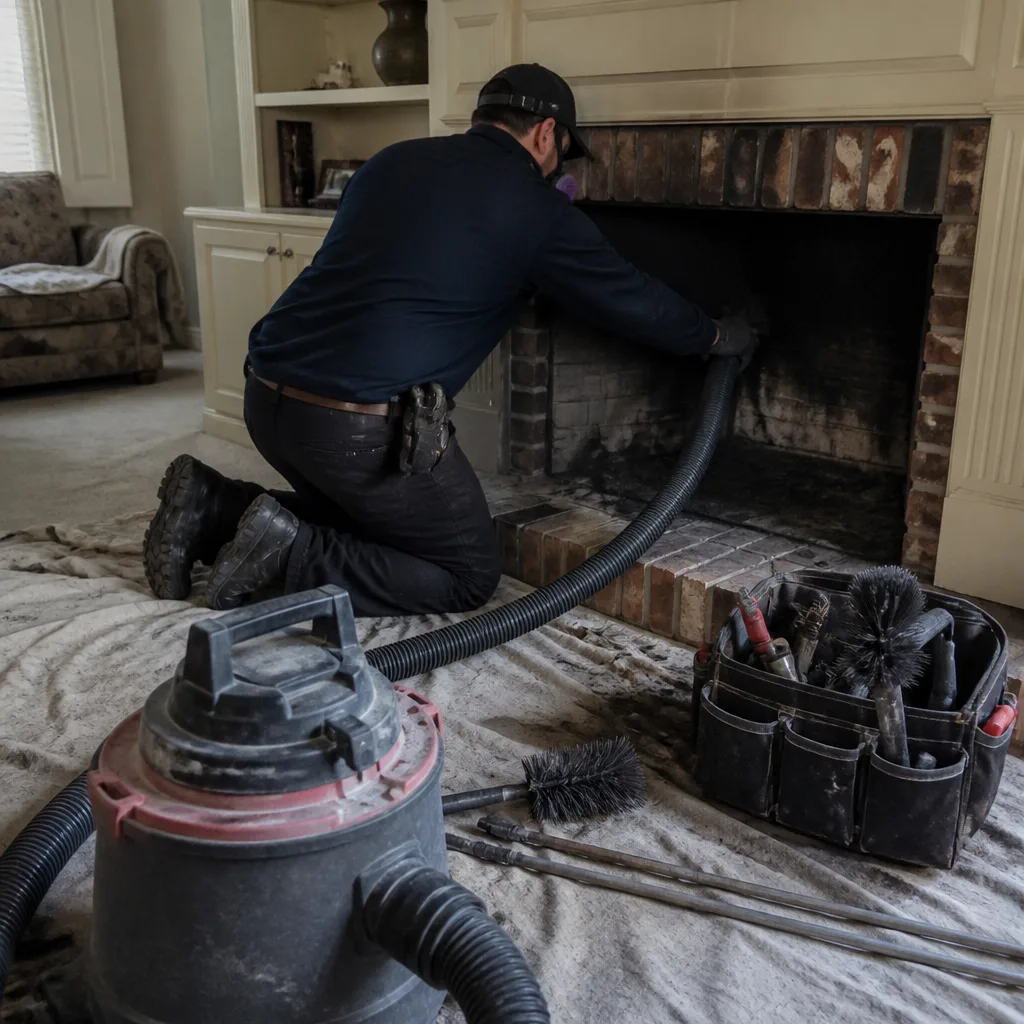 Before
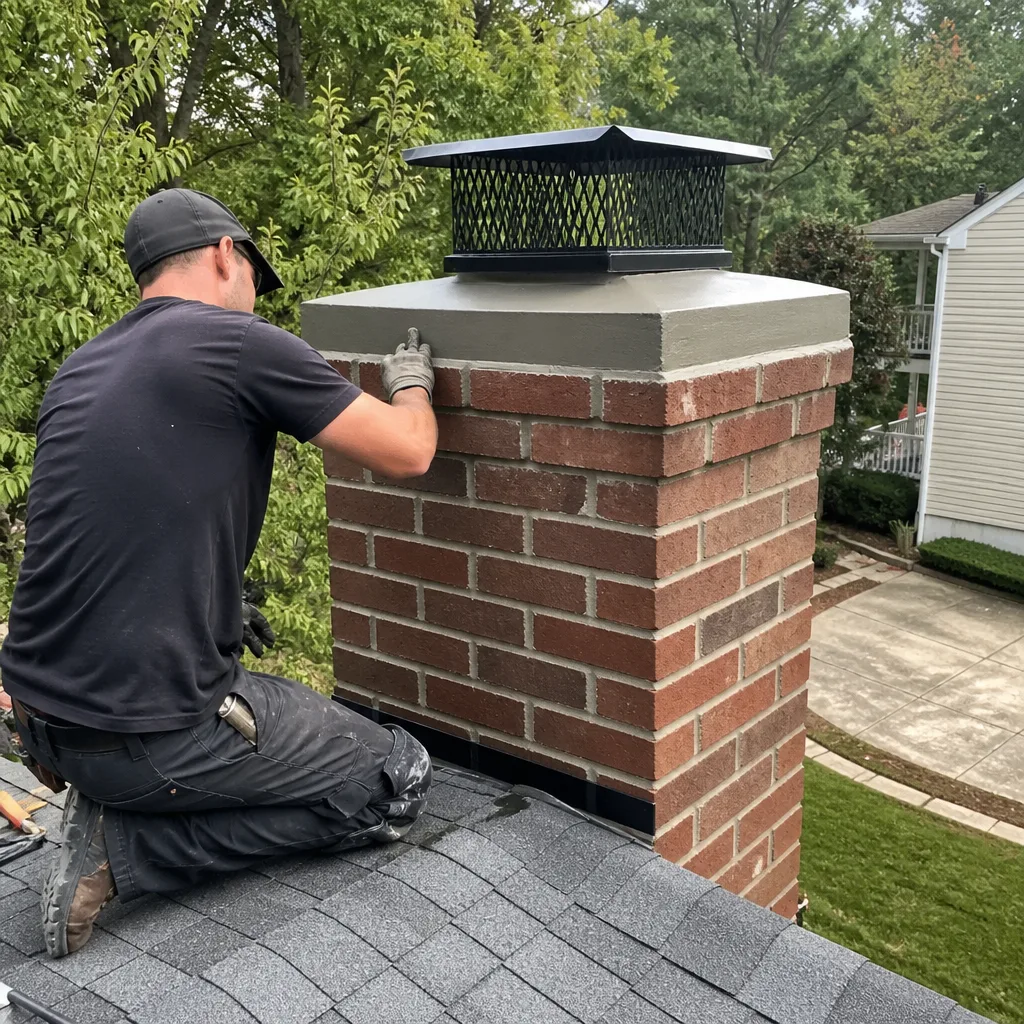 After
After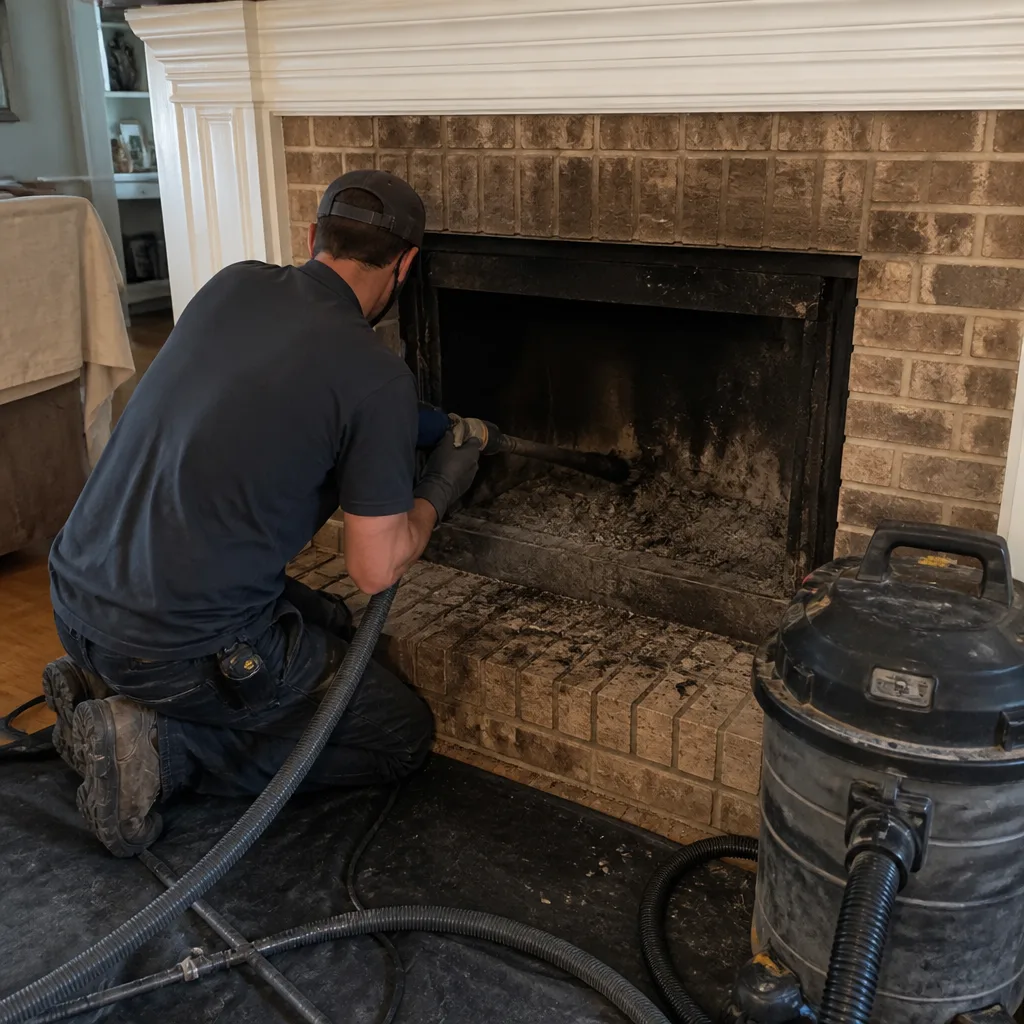 Before
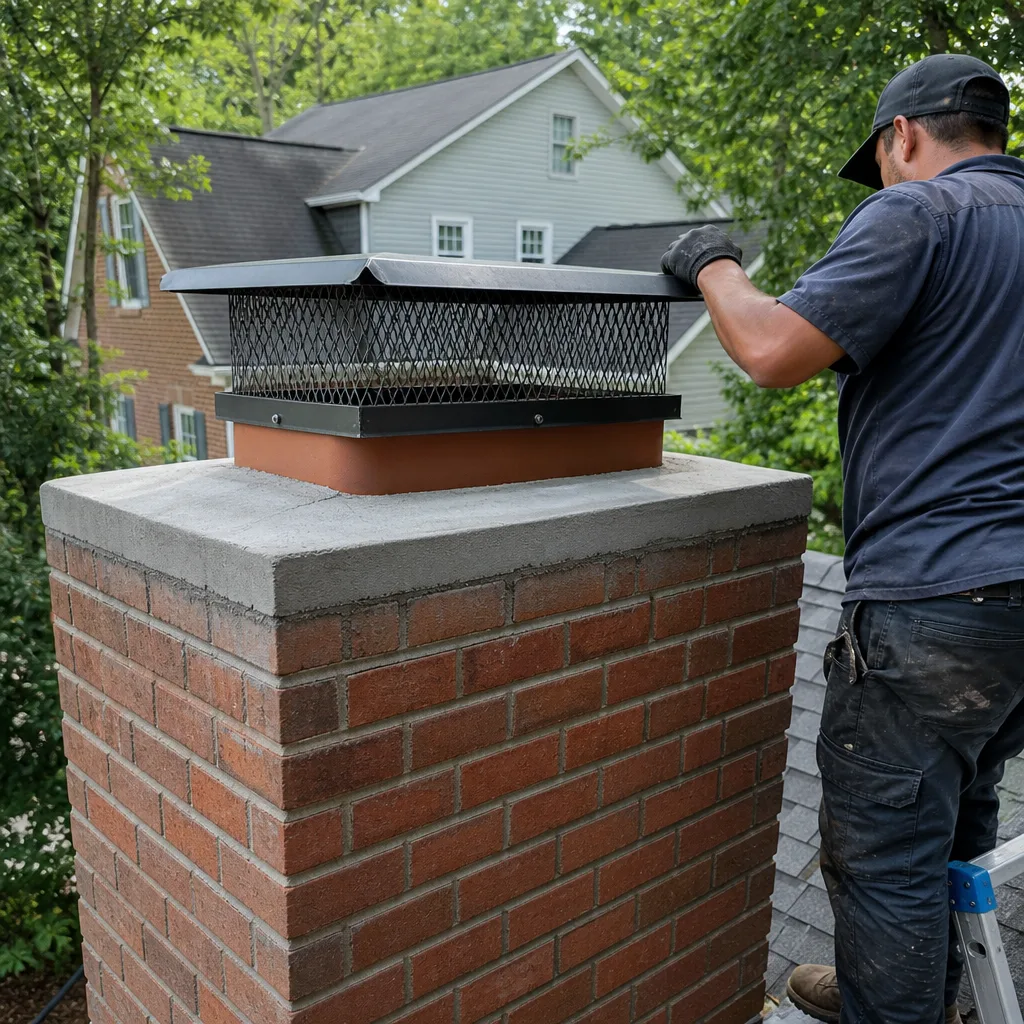 After
AfterWhat HeatShield Chimney Sweep Costs in Marietta
A standard HeatShield chimney sweep in Marietta runs $189 – $329, which includes the full cleaning, HEPA dust control, and a Level 1 inspection with camera documentation. If your system hasn’t been swept in years or has heavy glazed creosote, expect the higher end of that range because we’ll be working the flue longer and using chemical treatment between passes.
Here’s how the common scenarios break down:
- Standard sweep + Level 1 inspection: $189 – $279
- Sweep with heavy creosote removal (multiple passes, chemical treatment): $279 – $329
- Sweep + Level 2 camera inspection: $329 – $449 total
- HeatShield spot repair (small area, materials included): $250 – $500 depending on access and coating depth
- Full HeatShield Cerfractory resurfacing: $3,500 – $7,500 depending on flue height and prep work
The major price driver is what the camera finds. If the existing HeatShield coating is sound, a sweep is all you need and that’s all we’ll recommend. If the coating is failing, you’ll see the footage yourself before we quote a single dollar. Call (229) 350-8952 for an exact written estimate – we don’t charge for the conversation.
Why Marietta Homeowners Call Alcott Chimney Marietta for HeatShield Work
We’ve been serving homeowners since 2002, and Ruben Castellano has spent more than a decade focused on chimney cleaning and inspection across Marietta. That time on ladders and rooftops means we’ve seen how HeatShield performs in Cobb County’s specific conditions: humid summers that trap moisture in the flue, cold snaps that stress the bond line, and older fireplaces that were never sized properly for modern use. We don’t guess at any of it.
When a HeatShield system needs more than a sweep, we carry and install the same professional trade brands chimney professionals specify: DuraFlex liner systems, Gelco sealants, Olympia Chimney components, Famco caps, and Copperfield accessories. And because we’re an independent HeatShield service provider, our recommendation isn’t limited to a single manufacturer’s product line. We’ll tell you what your flue actually needs, and we’ll put that in writing before any work begins.
FAQs
A properly performed sweep by a qualified chimney professional will not void your HeatShield warranty. The warranty is tied to the installation and the product’s performance, not to routine maintenance. What does cause warranty issues is aggressive cleaning with metal tools that gouge or strip the ceramic coating, which is exactly why we use flail systems and brushes calibrated for resurfaced flues instead of standard wire brushes that tear up the surface. Your warranty stays intact, and we document every sweep so you have a record if a claim ever comes up.
Annual sweeping is the baseline for any wood-burning fireplace or stove in Marietta, HeatShield or not. If you burn more than a cord per season or use soft woods like pine, you may need two sweeps a year. The HeatShield coating doesn’t reduce creosote production; it protects the flue underneath it. Skipping sweeps just means the creosote builds on top of the coating, and eventually that buildup either causes a chimney fire that damages the HeatShield or gets so glazed that the next sweep costs double. Call (229) 350-8952 and we’ll help you figure out a schedule that matches how you actually burn.
In most cases, HeatShield can be spot-repaired. Small areas of spalling or thinning can be cleaned, prepped, and recoated with the same Cerfractory material without redoing the entire flue. The decision comes down to what the camera shows: if the damage is isolated and the surrounding coating has good adhesion, spot repair works. If the coating is failing across more than about a third of the flue surface or the underlying masonry has shifted, full resurfacing or a DuraFlex liner is the more honest fix. Either way, you’ll see the footage before we quote anything.
Most sweeps are scheduled within three to five business days, though we keep openings for situations where something is actively smoking or leaking into the house. A live person answers our phone around the clock, so if your HeatShield flue smells strange at 11 p.m., you’ll talk to a human, not a voicemail. Tell us what’s happening and we’ll tell you if it’s urgent or if it can wait until morning. Estimates are always free at (229) 350-8952.
A Level 1 inspection checks the readily accessible parts of the chimney: the flue interior, the firebox, the damper, and the cap, using a bright light and basic tools. It’s what comes standard with a sweep. A Level 2 inspection adds a camera pass through the entire flue length and is what we recommend when a HeatShield system is showing visible wear, when you’ve had a chimney fire, when you’ve bought or sold the home, or when the system has been converted to a different fuel type. On a HeatShield flue, the camera is the only way to verify coating thickness and adhesion, and that’s the difference between catching a problem early and paying for a full resurfacing later. Call (229) 350-8952 if you’re not sure which inspection level applies to your situation.
Written by Ruben Castellano, Owner, Alcott Chimney Marietta at Alcott Chimney Marietta, serving Marietta and nearby areas.